


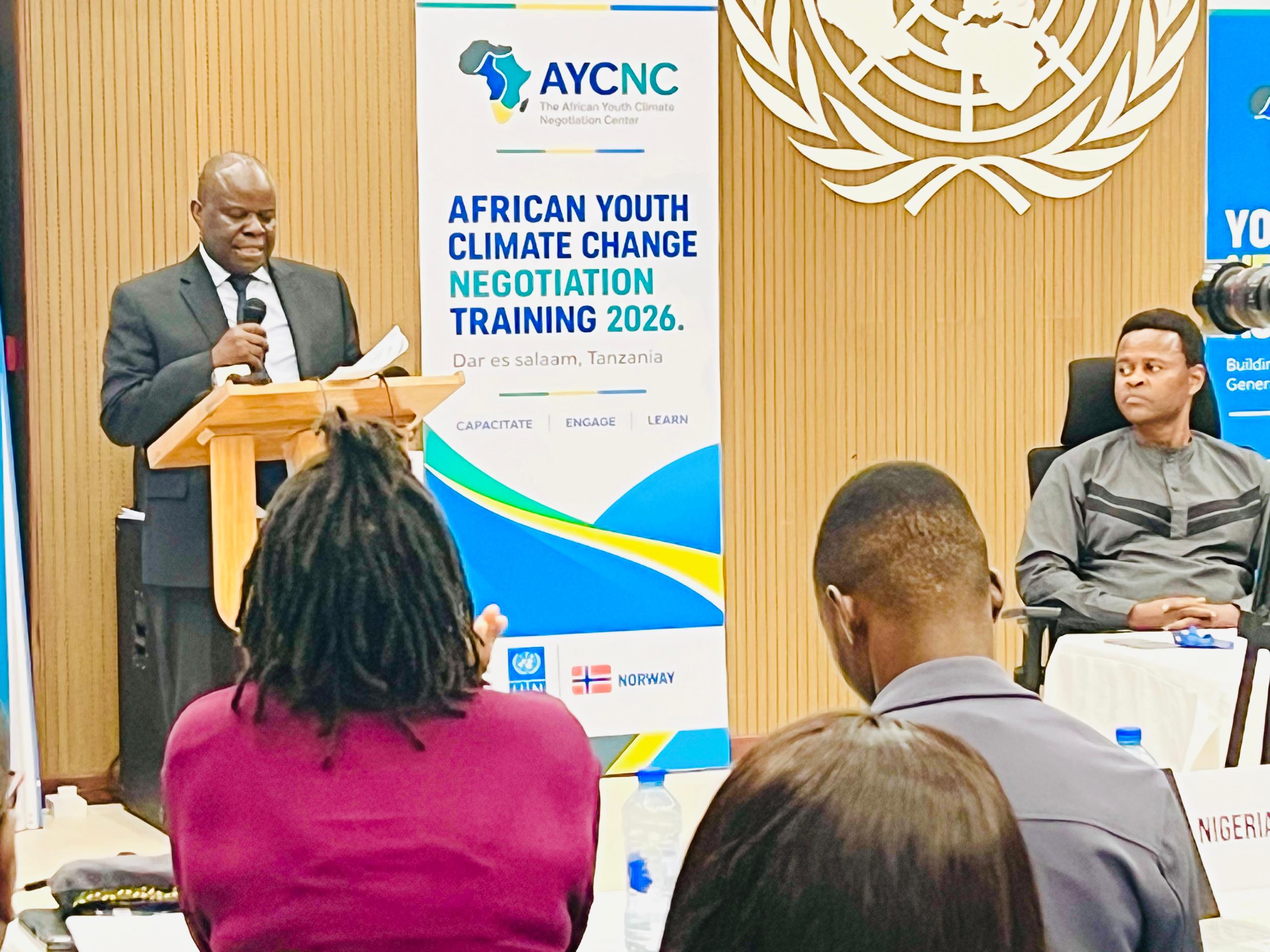
Dar es Salaam. Tanzania has launched a centre to equip young Africans with the skills needed to participate in international climate negotiations, in a move aimed at strengthening the continent’s ability to defend its interests in global decisions on climate change and development.
The African Youth Climate Negotiations Training Centre was launched in Dar es Salaam on October 20, 2026, with the aim of preparing young people to engage effectively in international climate decision-making processes.
Speaking at the launch, Dr Abbas Kitogo, an energy, climate change and disaster risk management specialist at the United Nations Development Programme (UNDP) Tanzania, described the initiative as an important step towards building Africa’s long-term capacity to influence negotiations that shape global climate action.
He said African countries were already experiencing the effects of climate change, including droughts, floods, changing rainfall patterns and land degradation, which threaten livelihoods, infrastructure and economic development.
Despite these challenges, Dr Kitogo said, effective participation in international climate negotiations requires technical knowledge of policy documents, national positions and the ability to negotiate and reach agreements.
“These negotiations determine critical issues such as access to climate finance, technology, resources for addressing climate impacts and how countries can develop economies with lower greenhouse gas emissions,” he said.
Dr Kitogo noted that some African countries had relatively few experts with sufficient experience in climate negotiations, while young people often lacked opportunities for practical training to prepare them for such processes.
The centre will provide training in developing national negotiating positions, drafting policy documents and participating in simulated negotiations. Participants will also receive mentorship from experienced experts.
The first cohort comprises 33 young people from different African countries. They are scheduled to attend five days of in-person training, followed by four weeks of online learning.
For participants, the initiative offers an opportunity to bridge the gap between calls for greater youth participation in climate action and the practical skills required to influence international decisions.
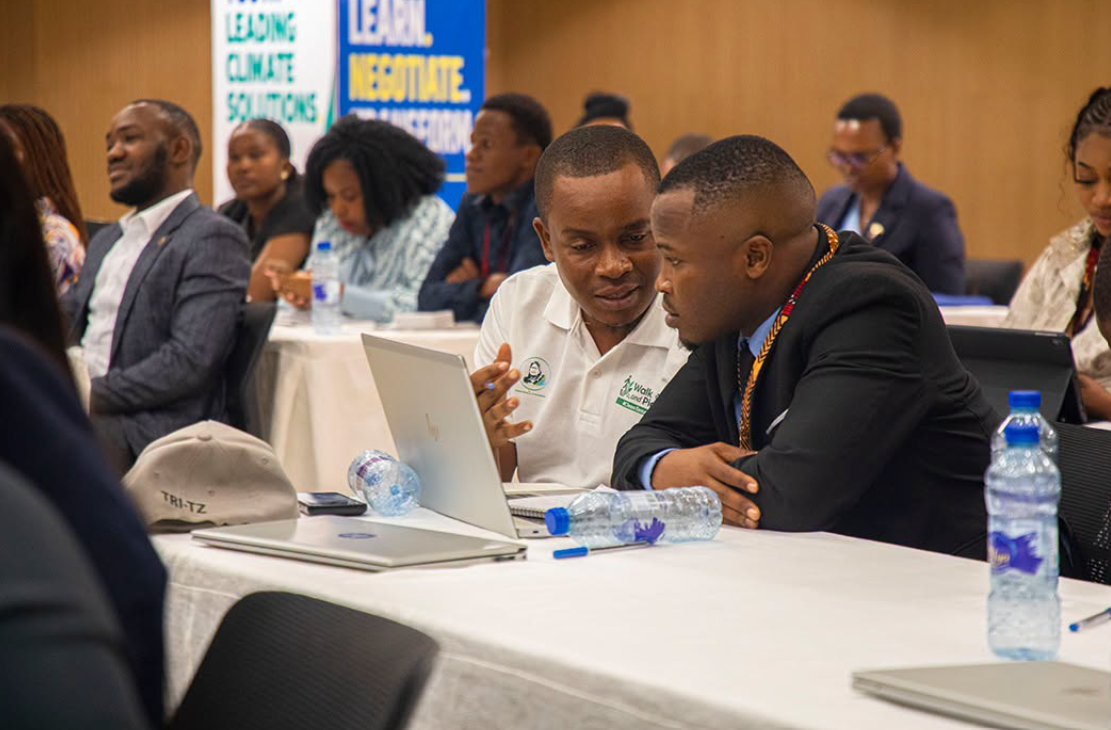
Mwaka Namkunda, a participant from Zambia, said the centre addressed a long-standing need among young people seeking to participate in climate negotiations.
She said that although young people were frequently described as central to Africa’s future, many lacked the technical knowledge and understanding of the specialised language used in international negotiations.
“We have been hearing that young people should participate actively, but it has been difficult for us to position ourselves to participate without training that gives us the necessary skills,” she said.
Namkunda said she expected to gain knowledge of a just transition, climate finance and existing policies to help young people engage in negotiations and advocate effectively for their countries’ interests.
Deputy Secretary-General in the Vice-President’s Office responsible for Environment, Dr Richard Muyungi, said Africa faced severe climate change impacts despite contributing a relatively small share of global greenhouse gas emissions.
According to figures he presented, Africa accounts for less than four per cent of global greenhouse gas emissions but experiences approximately 75 per cent of climate change impacts.
“Decisions made during international negotiations are extremely important for the future of this continent. It is therefore important to prepare young people early so they can continue efforts to defend Africa’s interests,” Dr Muyungi said.
He said Tanzania was ready to work with various stakeholders to develop the centre into a platform for building a new generation of climate negotiators.
Deputy Secretary-General for Environment Dr Maduhu Kazi said climate change was affecting livelihoods, food security and natural resources, making youth participation essential in finding solutions.
He urged participants to use the training to acquire knowledge, exchange experiences and establish partnerships that would enable them to contribute to climate action at national, regional and international levels.