


By Habitat Media Reporter
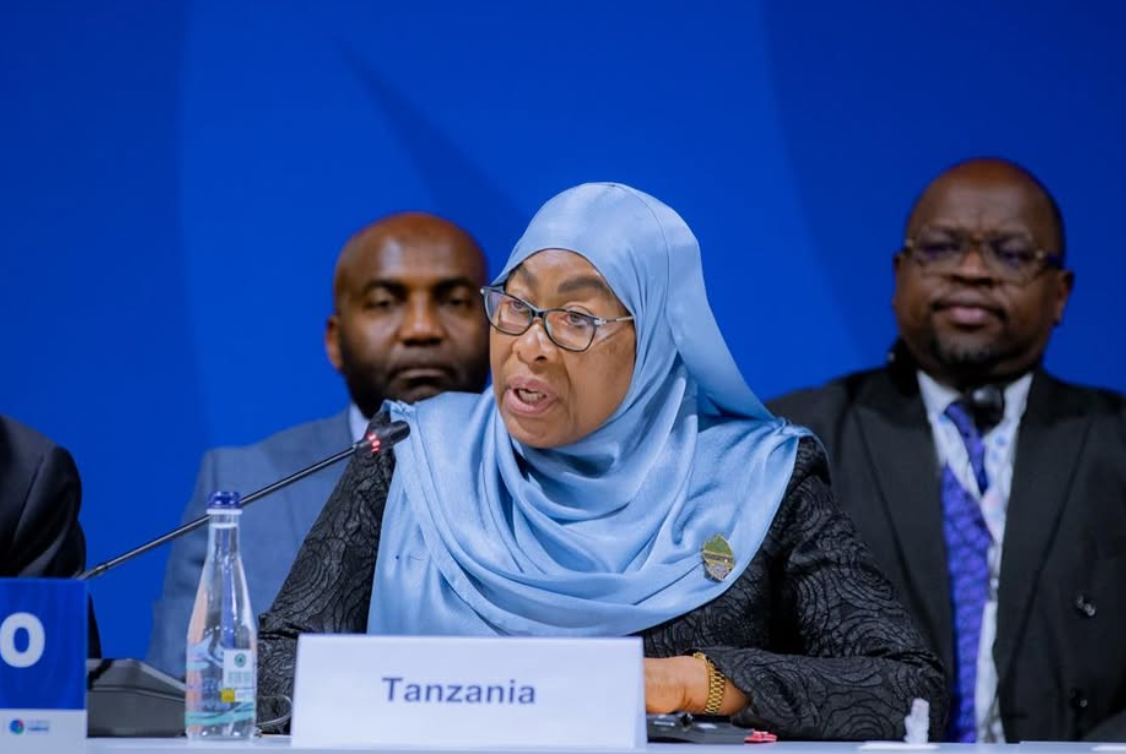
Antalya, Turkiye. President Samia Suluhu Hassan has challenged African countries to measure progress in clean cooking not only by the amount of money pledged but also by the number of households gaining access to affordable, reliable and sustainable cooking energy.
Despite substantial financial commitments and policy progress across the continent, nearly one billion people in Africa still lack access to clean cooking energy, exposing millions of women and children to harmful smoke from traditional cooking fuels.
The situation contributes to approximately 850,000 premature deaths annually, with women and children bearing the greatest health burden.
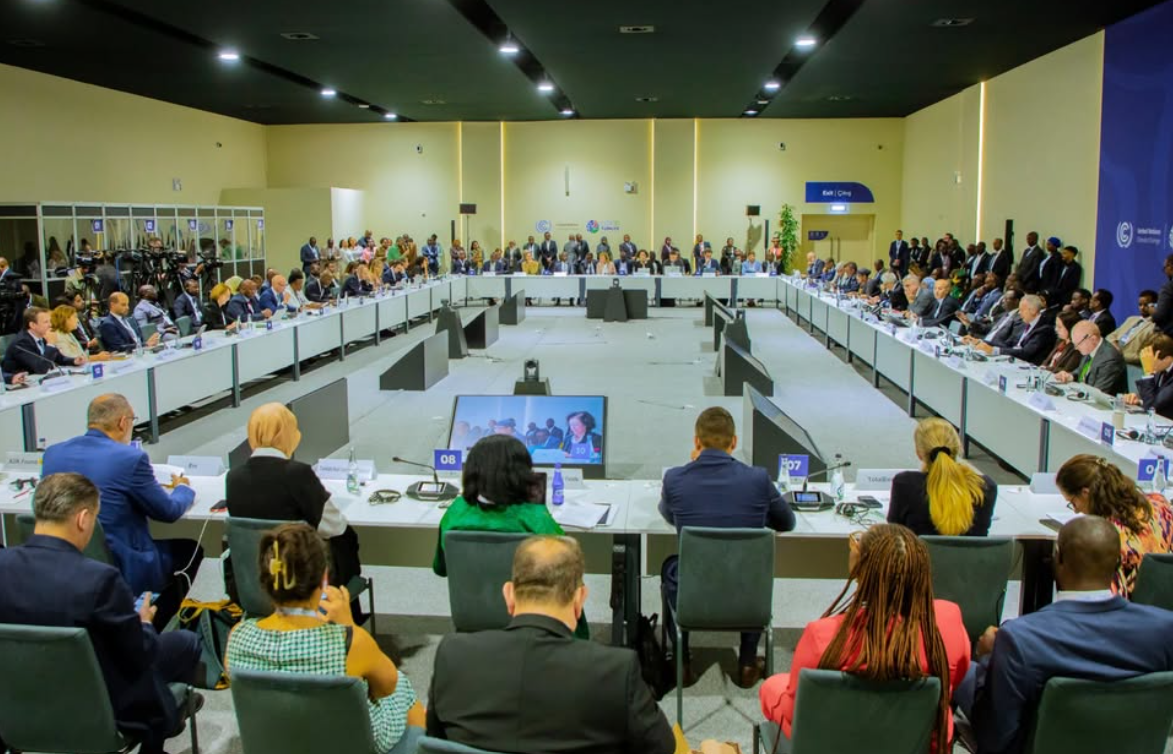
President Samia made the remarks on Thursday, November 12, 2026, during a high-level meeting on clean cooking in Africa held on the sidelines of the 31st Conference of the Parties to the United Nations Framework Convention on Climate Change (COP31) in Turkiye.
“Our success should not be measured solely by the amount of money raised, but also by the number of families gaining access to affordable, reliable and sustainable clean cooking energy services,” she said.
She said the 2024 Clean Cooking Summit in Paris generated financial pledges amounting to $2.2 billion (more than Sh5.81 trillion), of which approximately $740 million (more than Sh1.95 trillion) had been disbursed for implementation in 22 African countries by July 2026.
An additional $900 million (more than Sh2.37 trillion) in commitments had since been secured, bringing total financial pledges to $3.1 billion (more than Sh8.19 trillion).
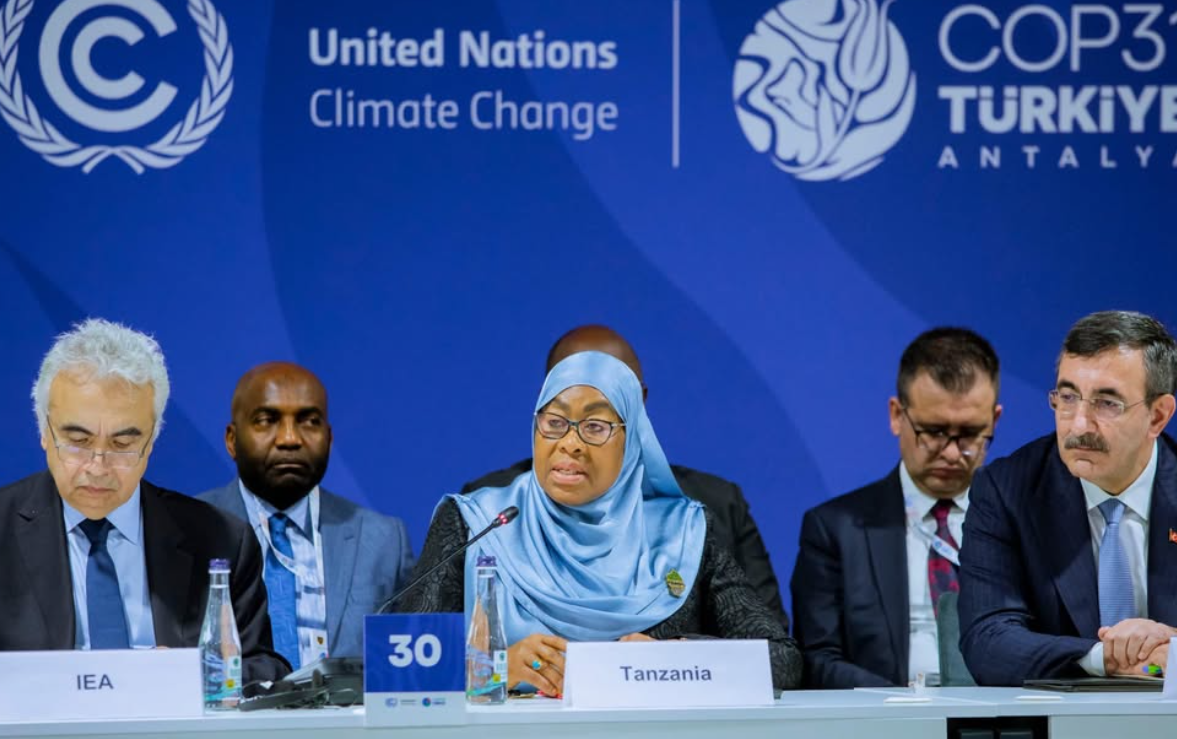
President Samia also noted that more than 30 African countries had introduced 121 new policies related to clean cooking since 2024.
“These achievements demonstrate that when political leadership is combined with financing, sound policies and partnerships, meaningful progress is possible,” she said.
However, she warned that continued dependence on firewood and other traditional fuels was contributing to deforestation, environmental degradation and greenhouse gas emissions.
Tanzania’s progress
Highlighting Tanzania’s progress, President Samia said access to clean cooking energy had increased from 16 per cent in 2022 to 28.26 per cent in March 2024.
The Government is targeting to raise the level to 35 per cent by the end of 2026 through various policy interventions and investments.
She attributed the progress to increased public awareness, reduced electricity tariffs for cooking, subsidies for liquefied petroleum gas (LPG) equipment and incentives for clean cooking technologies.
By March 2026, the Government had facilitated the distribution of more than 346,000 subsidised LPG cylinders. It had also distributed more than 49,000 induction cookers and another 7,000 electric cookers.
She said the Government had expanded the initiative beyond households to include schools, hospitals, prisons and other public institutions to protect people’s health, conserve the environment and improve service delivery.
Through the CookFund programme, more than 415,000 households had benefited, reaching nearly two million people with clean cooking energy.
The programme had also supported hundreds of small businesses and 45 public institutions, including schools serving more than 62,000 students.
According to President Samia, these interventions had contributed to reducing greenhouse gas emissions by an estimated 3.8 million tonnes of carbon dioxide equivalent.
She said the Government would continue strengthening the implementation of the National Clean Cooking Strategy by expanding access to appropriate technologies, improving distribution networks and encouraging private sector investment, particularly in rural and underserved communities.
“Our experience has taught us that clean cooking is not just an energy issue. It is an investment in human development, women’s empowerment, economic opportunities, climate resilience and sustainable development,” she said.
Lesotho calls for coordinated approach
Speaking at the meeting, Lesotho’s Deputy Prime Minister and Minister of Parliamentary Affairs, Justice Nthomeng Majara, said clean cooking initiatives must respond to women’s needs, given that they are disproportionately affected by the use of traditional cooking fuels.
She said Lesotho’s strategies focused on expanding access to affordable and reliable clean cooking energy and other household energy services.
Majara said the country’s enhanced Nationally Determined Contribution (NDC) for 2024–2044 had identified clean cooking technologies, energy efficiency and expanded electricity access as key areas of climate action.
However, she cautioned that individual projects and pilot initiatives alone would not guarantee universal access to clean cooking services.
“We need a coordinated and sustainable approach that brings together governments, development partners, international financial institutions, the private sector and local communities,” she said.
She outlined five shared priorities that African countries should pursue, with the first being access to affordable financing and African-led investment.
She said the continent needed concessional loans, grants, innovative financing mechanisms and cost-reduction measures to accelerate the transition.
“Without adequate and affordable financing, clean cooking technologies will remain expensive for many African households,” she said.