


Tanzania has urged the four countries sharing Lake Tanganyika to strengthen regional cooperation, improve fisheries management and mobilise sustainable financing. The call comes amid growing threats from pollution, illegal fishing, declining water quality and climate change affecting the lake’s ecosystem.
By Habitat Media Reporter
Dar es Salaam. Four countries sharing Lake Tanganyika have been urged to strengthen regional cooperation, improve fisheries management and mobilise sustainable financing to protect the lake from mounting environmental threats.
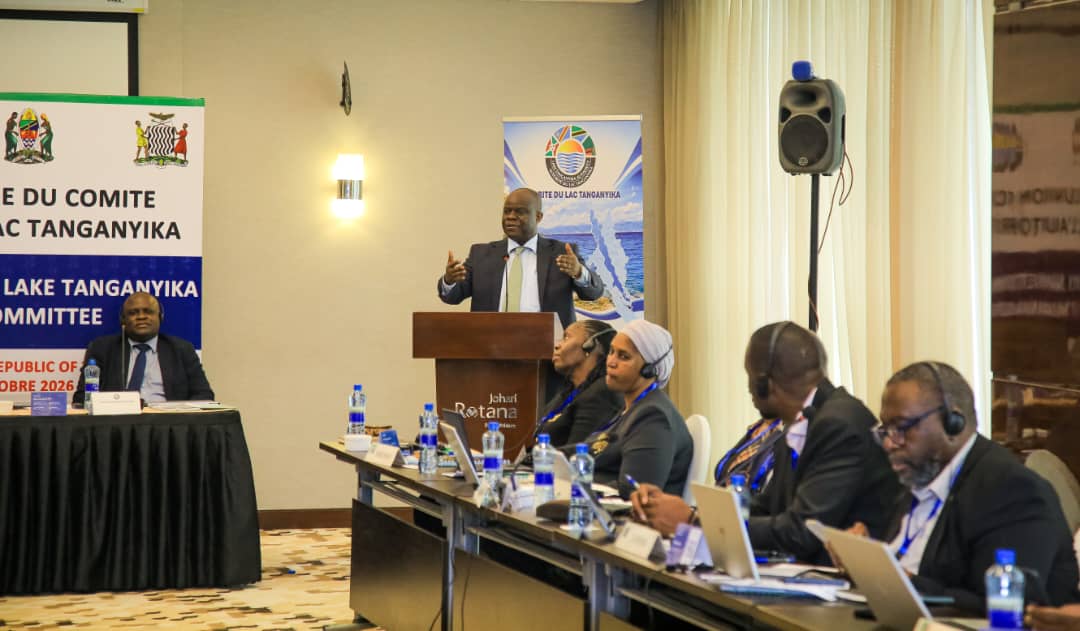
The call was made during the 15th Ordinary Meeting of the Lake Tanganyika Authority (LTA) Management Committee, which began on October 25, 2026, to review conservation efforts and prepare recommendations for ministers from Tanzania, Burundi, the Democratic Republic of the Congo (DRC) and Zambia.
The four-day meeting will inform deliberations at the Conference of Ministers scheduled for October 29 and 30, 2026.
Kemilembe Mutasa, Director of Environment in the Vice-President’s Office and head of Tanzania’s delegation, said the recommendations would guide decisions on the lake’s management, given its importance to food security, livelihoods and economic development.
“The advice to the Council of Ministers will largely depend on the resolutions of this meeting,” she said.
Permanent Secretary in the Vice-President’s Office (Union Affairs and Environment), Dr Richard Muyungi, urged delegates to address declining water quality, illegal fishing, pollution and climate change.
He said practical recommendations were needed to protect biodiversity, sustain economic activities and unlock opportunities in the blue economy, noting that the lake supports more than 13 million people across the four countries.
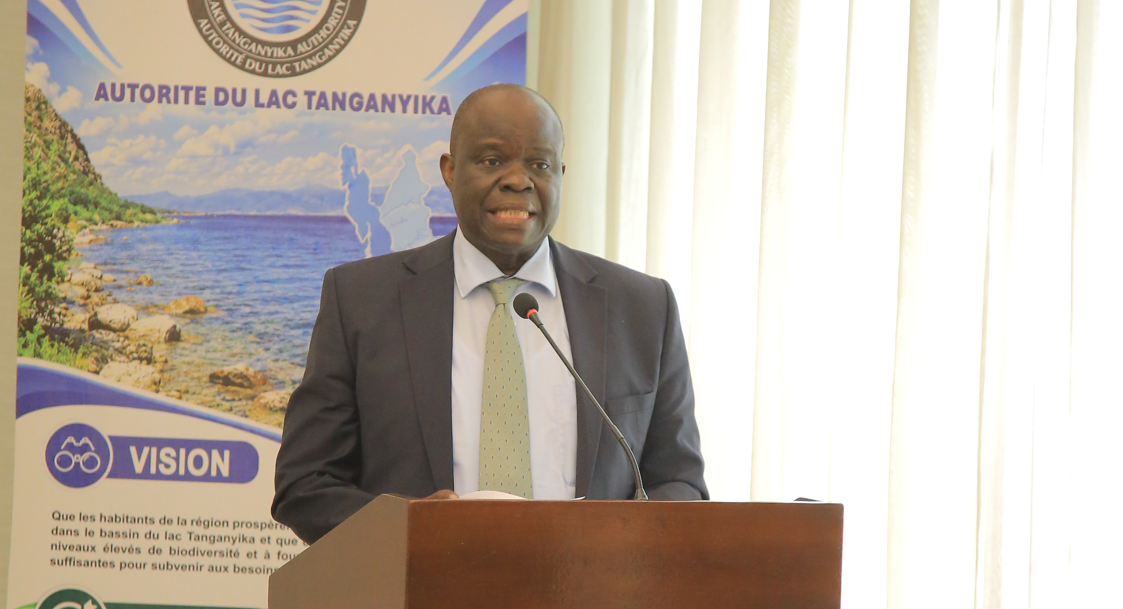
LTA Management Committee Chairperson Richard Lungu said the growing pressures from unsustainable fishing, habitat degradation, pollution, climate change and population growth required coordinated, long-term action.
“Our collective responsibility is therefore to ensure that this natural ecosystem is sustainably managed, protected and preserved for the benefit of present and future generations,” he said.
Mr Lungu called for faster implementation of conservation measures, including improved fisheries management, biodiversity protection, pollution control, water-quality monitoring and the protection of critical habitats.
He also stressed the importance of using scientific evidence to guide decisions on fish stocks and promote responsible fishing practices.
The chairperson further highlighted funding as a major challenge, urging member states to honour their financial commitments while strengthening partnerships with development institutions and other stakeholders.
“The implementation of the Authority’s programmes requires adequate, predictable and sustainable financial resources,” he said.
LTA Executive Director Dr Emma Liwenga said increasing environmental pressures had prompted the authority to review its Strategic Action Programme, last revised in 2012.
She described Lake Tanganyika as a vital natural resource that supports livelihoods, food security, economic development and exceptional biodiversity.
To strengthen financing, the authority has submitted proposals to the African Water Facility and the Food and Agriculture Organisation (FAO), focusing on water-resource management and inland fisheries.
Dr Liwenga emphasised that cooperation among the four countries and development partners remained essential to addressing the lake’s environmental challenges.
Mr Lungu urged delegates to move beyond reviewing reports and identify implementation gaps, institutional challenges and immediate actions needed to improve conservation outcomes.
He said the Management Committee had a critical responsibility to ensure that decisions made by ministers translated into tangible results, supported by adequate resources and sustained regional commitment.