


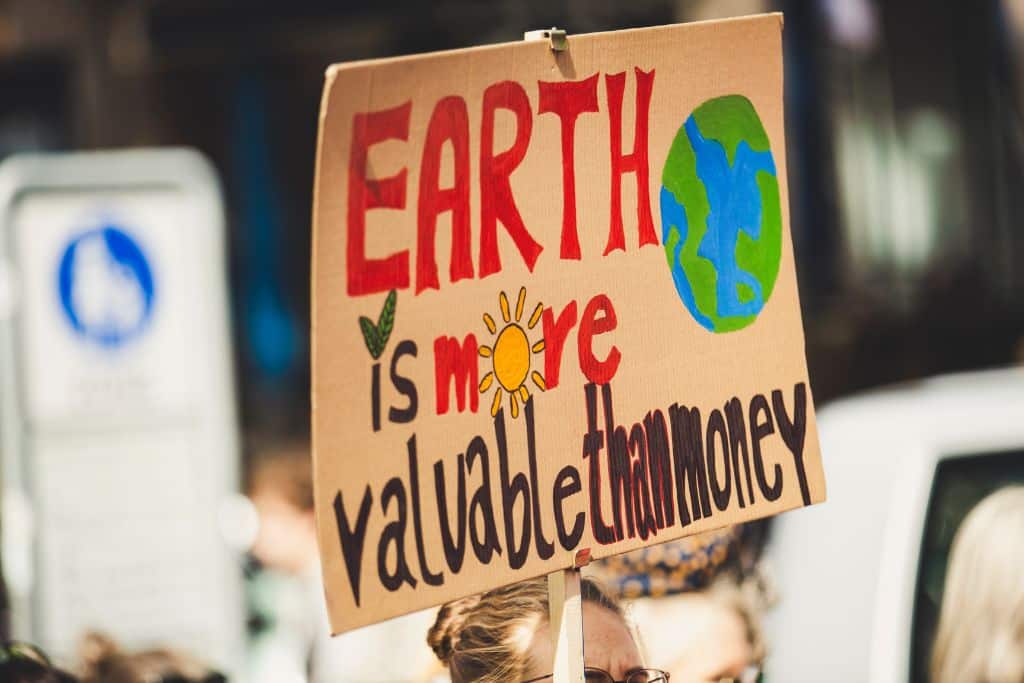
Dar es Salaam. Young Tanzanians are calling for greater influence over global climate decisions, demanding reforms that would give young people and local communities better access to climate finance and adaptation resources.
They want climate commitments to translate into tangible benefits for communities already grappling with floods, droughts, rising sea levels and extreme heat.
Their demands are outlined in a position paper adopted by 40 young Tanzanians during a pre-COP31 technical session held in Dar es Salaam on October 19 and 20, 2026.
The document sets out five priorities: climate adaptation and resilience, climate finance, clean energy and a just transition, innovation and youth entrepreneurship, and gender inclusion.
It will be presented during Tanzania’s engagement ahead of the 31st United Nations Climate Change Conference (COP31), scheduled for November 9–20 in Antalya, Türkiye.
The paper was prepared through the Vijana Pamoja COP31 Circle, convened by Women in Climate Tanzania, with support from Irish Aid and the Embassy of Ireland.
Climate finance at the centre
A major concern raised by the youth is the gap between the resources needed to address climate change and the funding currently available.
The paper estimates that implementing Tanzania’s nationally determined contribution (NDC) would cost $19.2 billion, conditional on international support. It also cites the country’s National Adaptation Plan for 2025–2035, which is costed at $37 billion.
The youth argue that climate finance must be accessible to the communities and groups directly affected by climate change, rather than remaining concentrated in funding systems that are difficult for local initiatives to navigate.
They want the new international climate finance goal to be delivered mainly through grants and highly concessional financing to avoid deepening the debt burden of developing countries.
They are also calling for simplified, direct funding windows for youth- and community-led initiatives under the Green Climate Fund, Adaptation Fund, Global Environment Facility and Fund for Responding to Loss and Damage.
The position paper further urges developed countries to increase contributions to the loss and damage fund to help affected communities, including those in Hanang, recover and rebuild.
Adaptation must reach local communities
The youth say adaptation should be a central priority at COP31, backed by a clear plan to triple adaptation finance by 2035.
The paper notes that Africa contributes about four percent of global greenhouse gas emissions but loses between two and five percent of its gross domestic product to climate extremes.
In Tanzania, it says, about 70 percent of natural disasters are climate-related. The April 2024 floods claimed 155 lives and affected more than 200,000 people.
With approximately 65 percent of Tanzanians depending on agriculture for their livelihoods, the document argues that climate adaptation must protect lives, safeguard livelihoods and strengthen communities’ ability to respond to climate risks.
The youth want resources under the National Adaptation Plan to reach district level, including support for youth-led early warning systems and ecosystem restoration initiatives.
They also call for adaptation indicators to measure practical outcomes, such as lives protected, livelihoods secured and early warnings reaching everyone.
Clean energy and jobs
The transition to cleaner energy is another priority, particularly for households still relying on firewood and charcoal for cooking.
According to the paper, dependence on these fuels affects health, forests and the time available to women and girls.
The youth are calling for a just transition mechanism that puts energy access, decent jobs and skills development for young people at its centre while respecting nationally determined pathways.
They also want affordable financing and technology for renewable energy and clean cooking, with priority given to women, food vendors and rural households.
The government is urged to support youth enterprises across clean cooking and renewable energy value chains.
Investment in youth-led innovation
The paper highlights the potential of young Tanzanians developing solutions in climate-smart agriculture, digital tools and early warning systems.
However, it says many initiatives struggle to move beyond the pilot stage because of limited financing and support.
To address this challenge, the youth propose establishing a national climate innovation fund, supported in part by carbon market revenues.
They also want technology transfer and capacity-building opportunities to reach young innovators, alongside transparent carbon market rules and fair benefit-sharing arrangements for communities.
The participants pledge to develop, test and share practical climate solutions and open data for adaptation and emissions reduction.
Gender inclusion in climate decisions
The position paper also calls for equal and meaningful representation of women and young people in climate decision-making bodies, both nationally and internationally.
It argues that climate disasters, displacement and resource losses can heighten the risks of gender-based violence, while unequal access to land, finance and technology limits women’s ability to adapt.
The youth want gender-responsive public financing, more grants and affordable finance for women-led adaptation and green initiatives, as well as stronger enforcement of laws and policies addressing gender-based violence linked to climate impacts.
They also urge the government and development partners to invest in women’s economic and climate empowerment.
From participation to influence
Beyond presenting their demands at COP31, the participants have committed to coordinating their engagement through a youth task team and communication platforms.
They also plan to share updates from the conference through digital and mainstream media, prepare a youth reflection brief on its outcomes and participate in post-COP31 dialogues aimed at translating international commitments into local action.
Their central message is that young people should not simply be present at climate negotiations. They should have a meaningful role in shaping decisions, influencing how resources are allocated and ensuring that climate policies respond to the needs of affected communities.