


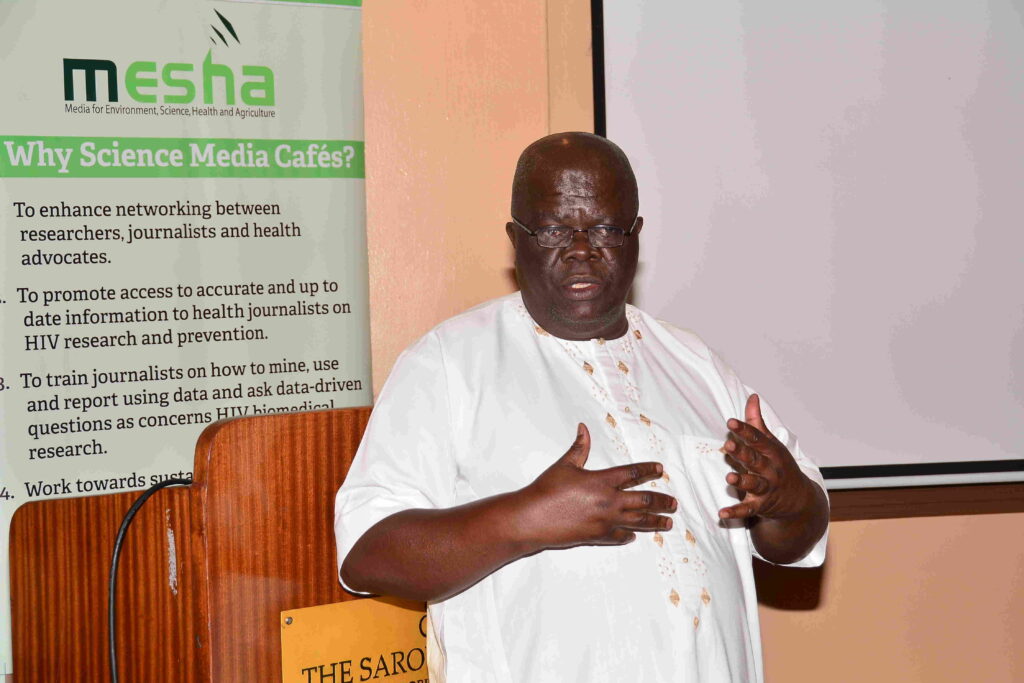
MESHA Chief Executive Officer Aghan Daniel
By Habitat Media Reporter
Nairobi. Habitat Media from Tanzania is among six African media organisations participating in a two-day meeting in Nairobi aimed at strengthening climate solutions journalism and transforming how newsrooms report on responses to climate change.
Organised by the Media for Environment, Science, Health and Agriculture (MESHA), the September 29–30 meeting brings together senior newsroom leaders from five English-speaking African countries to launch the Africa Climate Beacons Newsroom Initiative 2026/2027.
The initiative, also referred to as the Climate Solutions Beacon Newsrooms Initiative, seeks to strengthen newsrooms’ capacity to report not only on the challenges posed by climate change but also on practical efforts to address them.
The participating newsrooms are Habitat Media from Tanzania; Radio Africa Group from Kenya; Water Journalists Africa and Media Challenge Initiative from Uganda; Social Voices from Nigeria; and Zodiak Broadcasting Station from Malawi.
The inaugural cohort brings together media organisations working across radio, digital, print and broadcast platforms, reflecting the initiative’s focus on strengthening climate journalism across different forms of media.
Habitat Media Editor and Senior Journalist Jennifer Gilla is representing the Tanzanian media organisation at the meeting.
Gilla said the training had provided her with an opportunity to deepen her understanding of climate solutions journalism and how it can be applied to reporting across Africa.
“It is a great opportunity. I have learnt the importance of reporting on climate solutions and how this approach can strengthen climate journalism in African countries,” Gilla said.
She said she would apply the knowledge gained to Habitat Media’s reporting and share the skills with other journalists in Tanzania.
“I promise to apply this knowledge to the stories we produce in our media organisation and also share what I have learnt with fellow journalists,” she said.
MESHA Chief Executive Officer Aghan Daniel said the initiative was designed to help newsrooms shift from predominantly documenting the challenges associated with climate change to also examining efforts being made to address them.
“We want to collectively work with newsrooms to strengthen their capacity to move away from reporting mainly on the challenges posed by climate change to also reporting on efforts to address them,” Aghan said.
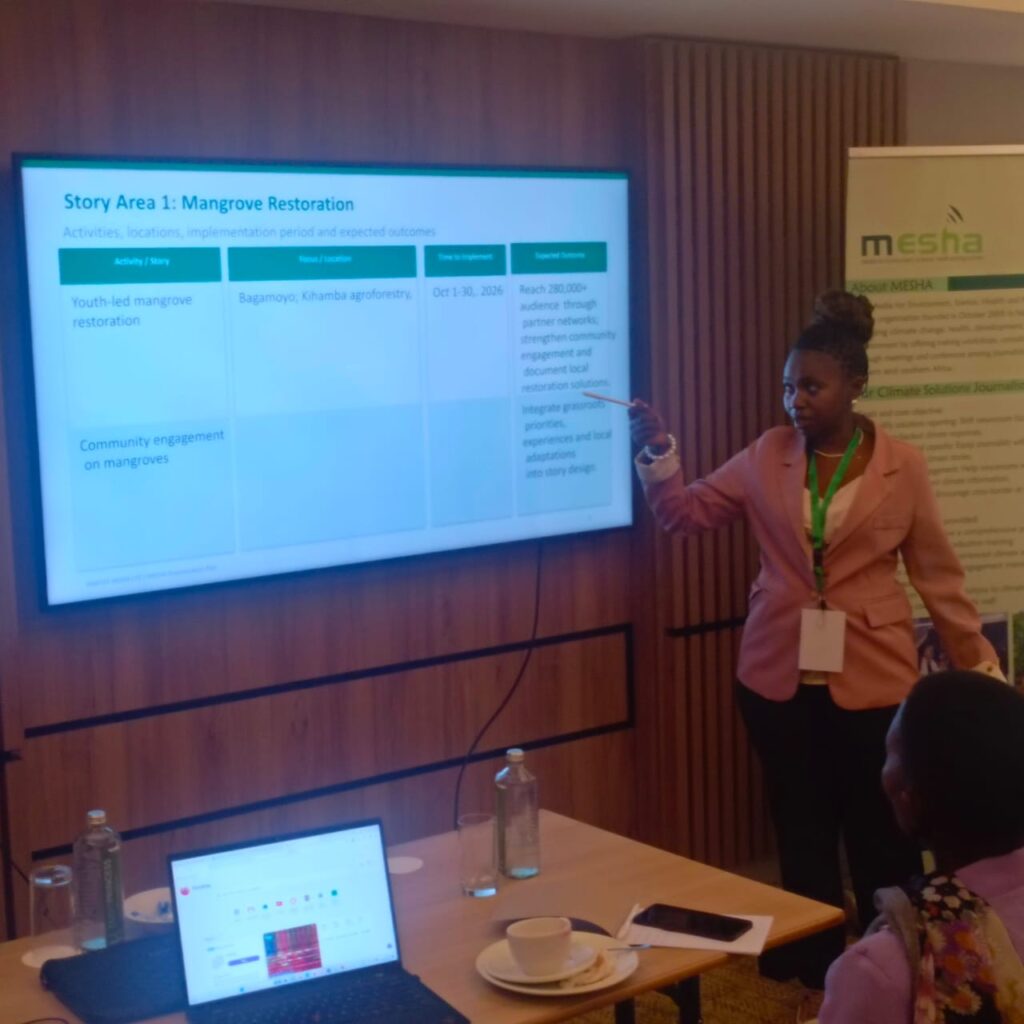
During the meeting, participating newsrooms are presenting their plans for climate stories, audience engagement, impact and newsroom transformation. The sessions are providing an opportunity for the organisations to outline how they intend to approach climate solutions reporting and the changes they expect their journalism to bring.
The programme also includes practical training on climate solutions journalism, with participants engaging with journalists already applying the approach in their work.
Another key focus is audience and community engagement, with participants examining how newsrooms can build stronger connections between climate reporting and the communities they serve.
The participating media organisations are also exploring opportunities for collaboration to strengthen climate solutions reporting across the continent.
“The newsrooms will discuss how to make the case for climate solutions journalism, address scepticism and identify climate change issues that should receive greater attention in 2026 and 2027,” Aghan said.
The second day of the meeting will focus on integrating climate solutions journalism into newsroom practices rather than treating it as an occasional reporting approach.
The initiative will also seek to strengthen collaboration between newsrooms and research institutions.
A session led by KALRO Director of Communication Dr Floridah Maritim will examine how newsrooms can strengthen and sustain climate solutions reporting through partnerships with research institutions.
The meeting will conclude with a visit to a KALRO research station, where participants will explore research on climate-resilient crops.
The visit is expected to provide the participating media leaders with an opportunity to connect scientific research with climate reporting and identify potential stories on practical responses to climate change.