


By Habitat Media Correspondent, Arusha
Tanzania has challenged universities and research institutions to turn scientific research into practical solutions that can strengthen climate resilience and address environmental and development challenges facing communities.
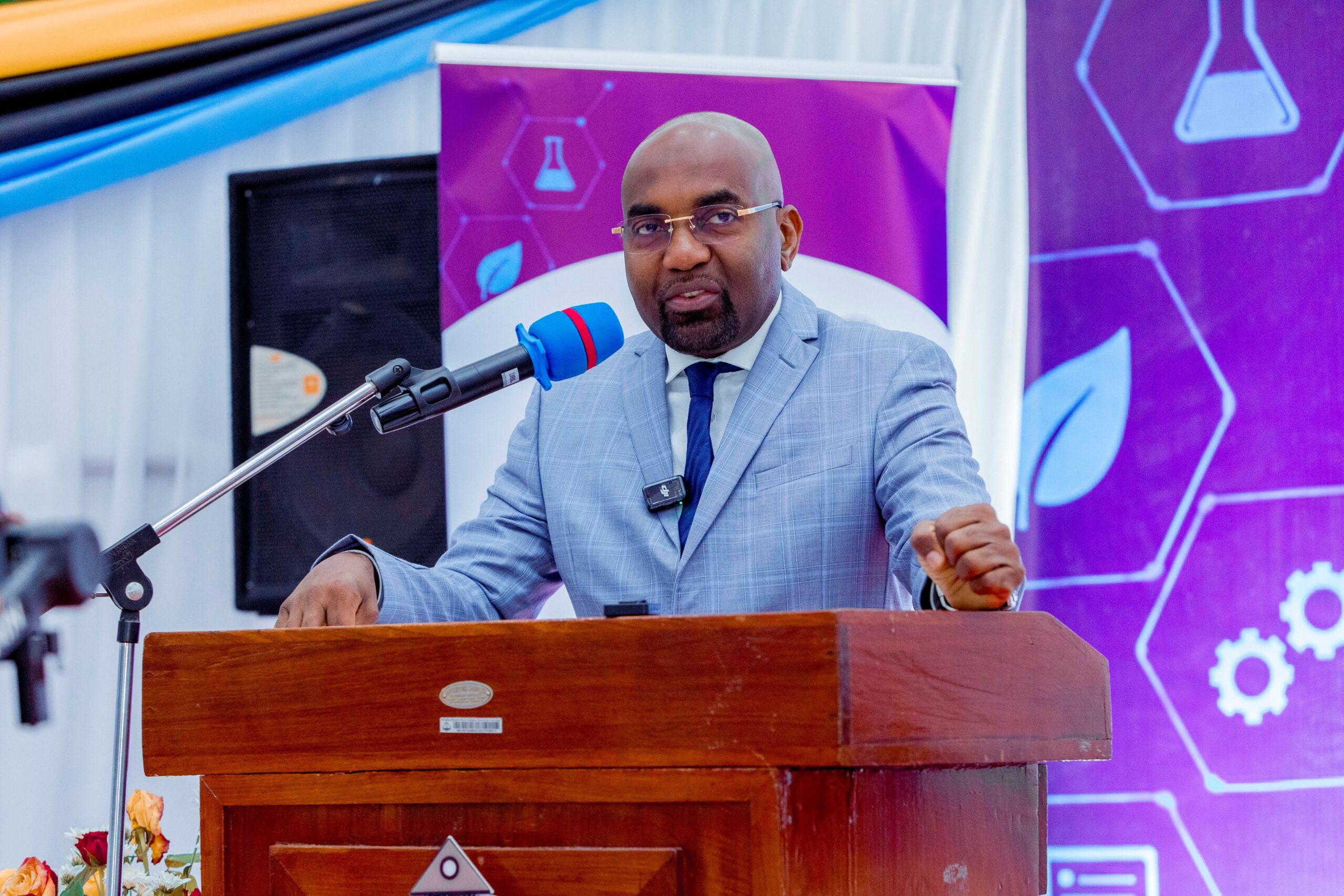
Minister of State in the Vice-President’s Office responsible for Union and Environment, Hamad Yussuf Masauni, said universities should not remain centres for generating knowledge alone, but should become hubs where science, technology, policy and community needs are brought together to solve real-world problems.
Speaking in Arusha on September 24 while closing the third conference of the Five Universities Consortium, Masauni said research would have limited impact if scientific discoveries and innovations remained within university laboratories and academic institutions.
His remarks put the spotlight on an important challenge for Tanzania and the wider African continent: how to translate a growing body of scientific research into solutions that communities can use to respond to climate change and other development pressures.
From climate research to action
The conference, held at the Nelson Mandela African Institution of Science and Technology (NM-AIST), was organised under the theme, “From Dialogue to Impact: Integrating Science, Technology, Policy and Climate Resilience for a Sustainable Future.”
Masauni said the theme was timely but stressed that discussions must ultimately result in practical action.
“A successful conference should not end with the final presentation or the closing ceremony,” he said.
He said such gatherings should generate new research questions, partnerships, technologies, policy ideas and investment opportunities that eventually produce visible and measurable results.
That challenge is particularly relevant to climate resilience, where communities need practical solutions that can be applied beyond research institutions.
Masauni urged researchers, scientists and young innovators to ensure that knowledge generated by universities reaches communities and helps address the problems they face.
He said science cannot deliver its full potential if its benefits remain “within the walls” of universities and research institutions.
Local solutions with wider impact
Masauni also urged Tanzanian researchers to begin with problems facing their own communities while thinking about how the resulting solutions could contribute to challenges confronting Africa and the wider world.
“The world needs your ideas,” he said. “Do not limit your ambitions to the problems immediately around you. Start with those problems, understand them deeply, then ask yourselves how the knowledge and solutions you develop can contribute to the development of Africa and the world.”
He challenged participants to consider what new research collaborations had emerged from the conference, which challenges could be tackled collectively and which innovations could be moved from laboratories into communities.
The approach could be particularly important for environmental research, where the success of scientific work ultimately depends on whether knowledge can be translated into solutions that policymakers and communities can apply.
Science must inform policy
Masauni said the government recognises science, technology, research and innovation as important tools for achieving sustainable development.
He said Tanzania was continuing to create an enabling environment for research and innovation, while strengthening collaboration between universities and research institutions.
The government is also encouraging stronger links with the private sector and international partners.
Importantly, Masauni called for scientific evidence to be used more effectively in the formulation and improvement of public policy.
Bridging the gap between science and policy is particularly important in environmental management because decisions affecting communities and natural resources increasingly require evidence generated through research.
The conference’s emphasis on linking science, technology, policy and climate resilience therefore places universities in a potentially important position between scientific discovery and practical environmental action.
Building stronger research partnerships
The Five Universities Consortium brings together NM-AIST, the University of Dar es Salaam, Aga Khan University, Sokoine University of Agriculture and Simon Fraser University.
Masauni said programmes connecting Tanzanian scientists with regional and international partners could help the country’s institutions become more active contributors to global scientific knowledge.
But universities will need resources if they are to fulfil that role.
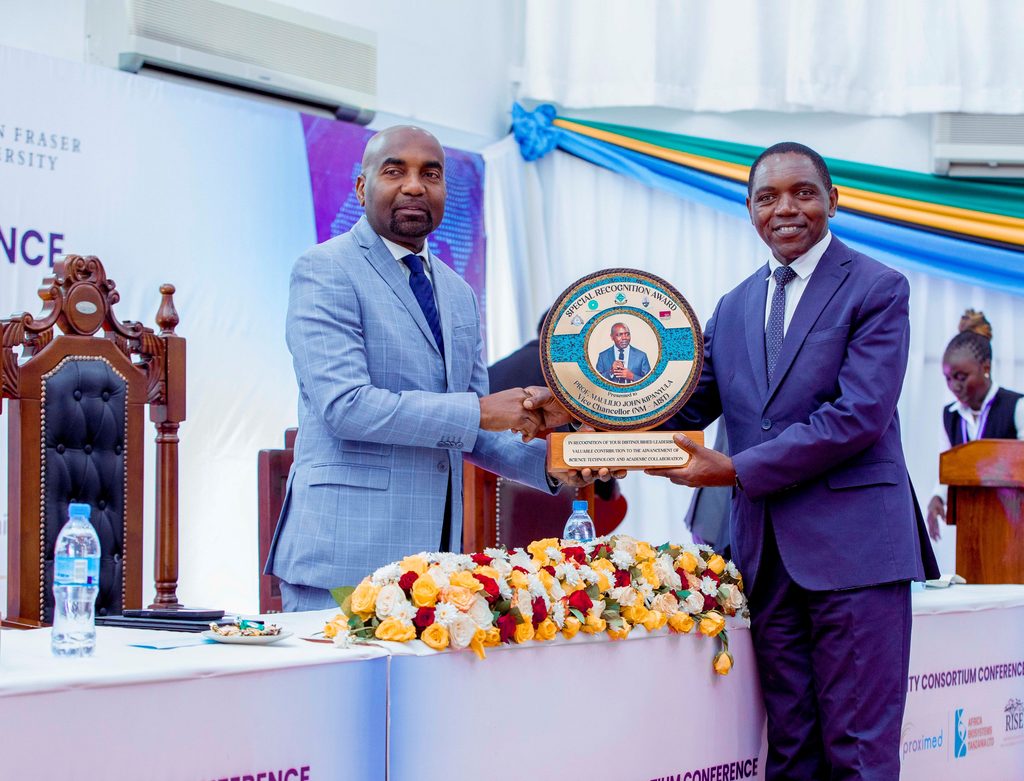
NM-AIST Vice-Chancellor Professor Maulilio Kipanyula said Africa has considerable intellectual talent, biodiversity, natural resources, knowledge and a large population of young people with significant potential.

Despite those advantages, he said much greater investment is still needed in research, scientific infrastructure, postgraduate training and innovation ecosystems.
He also called for stronger international scientific cooperation based on mutual respect, shared responsibility and genuine co-creation of knowledge.
For Tanzania, the message emerging from the Arusha conference is that producing scientific knowledge is only one part of the challenge. The bigger test is whether research institutions can build effective bridges between science, environmental policy and communities – turning knowledge generated in laboratories into practical solutions capable of strengthening resilience and supporting sustainable development.