


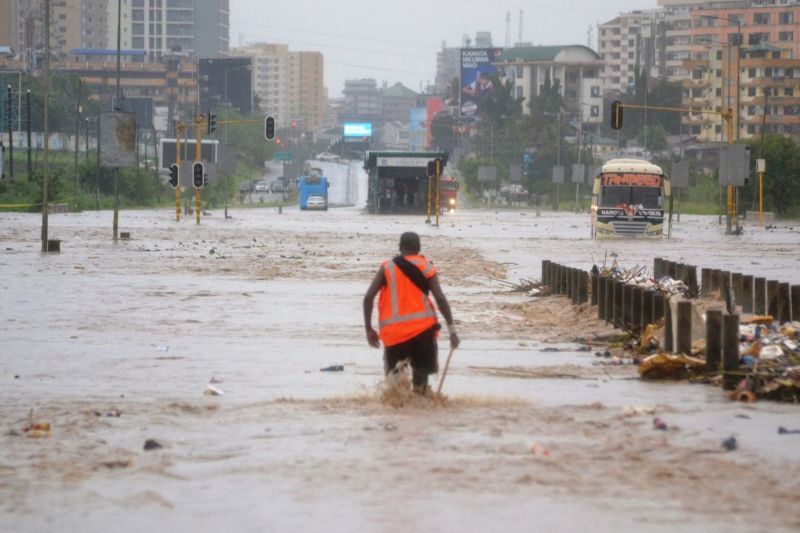
With a strong El Niño threatening floods, disease outbreaks and disruption to food production across East Africa, governments are shifting from weather warnings to anticipatory action. Tanzania has approved a national emergency plan and ordered sectors and local authorities to prepare, but experiences elsewhere in the region show that the real test will be whether warnings translate into action before the rains intensify.
By Habitat Media Reporter
Dar es Salaam. East African countries are racing to prepare for a potentially disruptive El Niño season, as regional authorities warn that unusually heavy rains could compound an already serious food and humanitarian crisis affecting millions of people.
The Intergovernmental Authority on Development (IGAD) has directed member states to activate national anticipatory-action frameworks ahead of the October–December rainy season and approved a high-level regional El Niño preparedness meeting for September.
The warning comes at a precarious time. IGAD Executive Secretary Dr. Workneh Gebeyehu told the organisation’s Council of Ministers in Djibouti on September 15 that close to 49 million people across the region were already facing acute food insecurity while more than 19 million were internally displaced.
Conflict, displacement and existing food insecurity therefore mean that extreme rainfall would hit populations whose ability to absorb another shock is already severely weakened.
For Tanzania, which is not an IGAD member, the regional warning nevertheless carries considerable relevance. The same El Niño system is expected to influence the country’s October–December Vuli rains, and the government has already activated preparations of its own.
The Tanzania Meteorological Authority (TMA) forecasts that the 2026 Vuli season will be strongly influenced by El Niño, with above-normal to normal rainfall expected across much of the northern coast, north-eastern highlands, Lake Victoria basin and northern Kigoma. Rainfall is expected to begin around the fourth week of September or first week of October in the Lake Victoria basin, with increased rainfall particularly likely in November. Unseasonal rains could continue into January 2027.
That outlook places Tanzania alongside several East African countries attempting to answer a difficult climate-adaptation question: can governments use increasingly sophisticated forecasts to prevent disasters rather than merely respond to them afterwards?
Tanzania moves from forecast to emergency planning
Tanzania’s preparations began well before the expected peak of the rains.
In July, the National Disaster Management Technical Committee approved a National El Niño Emergency Response Plan, directing ministries, government agencies, regions and councils to accelerate preparedness.
The plan requires sectors to allocate resources for prevention, preparedness, emergency response and recovery. Authorities have also been instructed to identify high-risk areas, conduct risk assessments and encourage people in particularly vulnerable locations to relocate to safer areas.
On September 2, the government went further, issuing 13 directives covering the public, disaster-management committees, ministries, institutions, regions, councils and economic sectors.
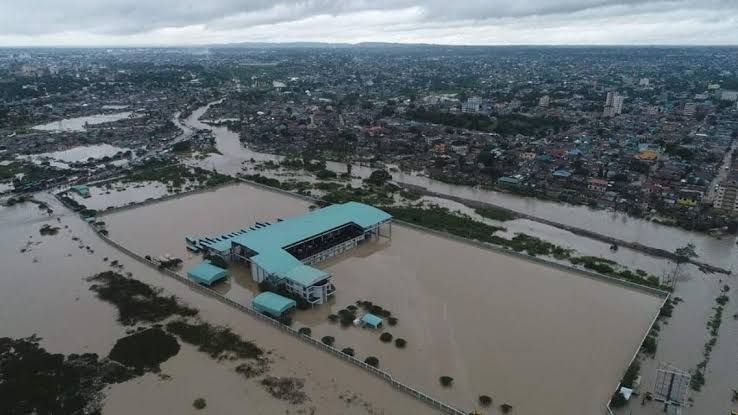
Among them are identifying vulnerable locations before the rains, protecting critical infrastructure, preparing emergency services and rescue equipment, safeguarding food supplies and encouraging farmers to select crops and seeds appropriate for the anticipated Vuli conditions.
The government is also treating the additional rainfall as an economic resource, encouraging water harvesting and its productive use in agriculture, livestock and fisheries.
TMA has meanwhile been working with individual sectors. In early September, for example, the meteorological agency held discussions with TANESCO specialists on using climate information to protect electricity infrastructure from heavy rainfall and flooding.
Prime Minister Mwigulu Nchemba has said the government is preparing particularly for areas expected to receive heavy rainfall, including the Lake Zone, where the rains could begin around late September or early October.
The threat is not limited to flooding.
TMA says excessive soil moisture could damage crops and agricultural infrastructure, while higher river and reservoir levels could affect water and energy infrastructure. Contaminated water could increase the risk of disease outbreaks, while crop diseases associated with fungi, bacteria and viruses could affect potatoes, sunflower, beans, sesame, fruits and vegetables.
Road erosion, damaged bridges and disruption to tourism are also among the potential impacts.
Kenya maps evacuation areas
Across the border, Kenya is also moving beyond issuing meteorological warnings.
The government has instructed all 47 counties to map flood-prone areas and identify safe evacuation grounds, while putting measures in place to protect infrastructure, livelihoods and communities.
Kenya has additionally established a National Crisis Communication Standing Committee intended to ensure warnings issued by meteorologists reach communities through mainstream and vernacular radio, digital platforms and government administrative structures.
That emphasis addresses one of the persistent weaknesses in disaster management across Africa: having an accurate forecast does not necessarily mean that the person living beside a river, farming in a floodplain or running a business in a vulnerable settlement receives information early enough – or knows what to do with it.
Kenya’s health authorities have also activated a Health Sector El Niño Contingency Plan and issued advisories to all 47 counties. Authorities are preparing for increased risks of water contamination, cholera, typhoid, malaria, dengue fever and Rift Valley fever associated with flooding and standing water. Kenya is also preparing financial buffers. Reuters reported on September 10 that the country was expected to access approximately $400 million in World Bank emergency financing, covering several pressures including potential El Niño-related disruptions.