



Zanzibar’s First Vice-President, Othman Masoud Othman (OMO), addresses delegates and delivers his closing remarks at the 12th Meeting of the Contracting Parties to the Nairobi Convention (COP12) in Dar es Salaam, Tanzania, calling for collective action to protect the Western Indian Ocean and ensure its marine and coastal resources benefit present and future generations.
By Habitat Media Reporter
Dar es Salaam. The 12th Meeting of the Contracting Parties to the Nairobi Convention (COP12) has adopted 15 decisions aimed at protecting the Western Indian Ocean, tackling marine pollution and promoting a sustainable blue economy, with leaders urging countries to translate the commitments into action.
The decisions, adopted in Dar es Salaam on October 9th, 2026 at the climax of the four days discussions, seek to strengthen regional cooperation in conserving marine and coastal ecosystems while ensuring that ocean resources continue to support livelihoods and economic development.
The resolutions prioritise controlling marine plastic pollution, protecting biodiversity and restoring critical ecosystems, including mangroves, seagrass beds and coral reefs. They also call for stronger regional preparedness to respond to marine pollution incidents and improved access to and exchange of scientific information.
Other priorities include promoting sustainable investment in the blue economy, developing ocean-based value chains, increasing the participation of women and young people, and integrating the value of marine and coastal resources into national and local development planning through ocean accounting.
However, leaders said the success of the decisions would depend on effective implementation, adequate financing and stronger collaboration among governments, development partners, the private sector and coastal communities.
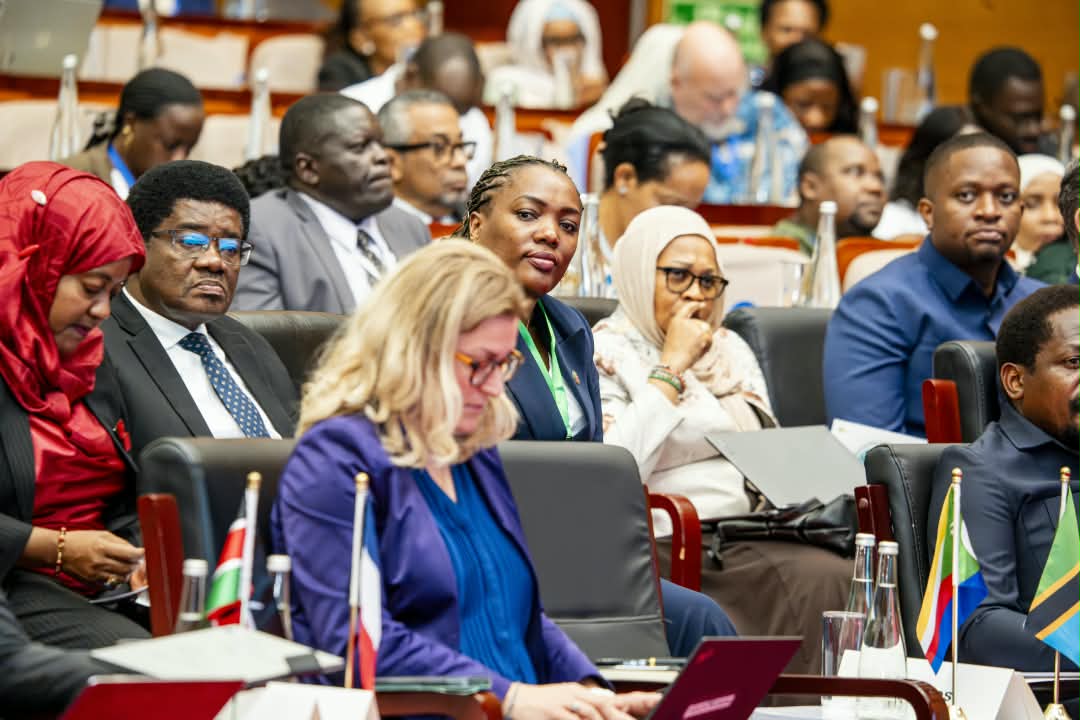
Speaking after the adoption of the decisions, Zanzibar’s First Vice-President, Othman Masoud Othman (OMO), said the Western Indian Ocean was central to the region’s economic security, cultural heritage and the livelihoods of millions of people.
He said the ocean’s coral reefs, mangroves, rivers, islands and coastlines supported tourism, trade, cultural activities and other economic opportunities, making their protection essential to the region’s long-term development.
“The ocean is not merely about economic profit; it is about health, people and nature, livelihoods and ecosystems,” Othman said, emphasising the need to balance economic activities with environmental protection.
He said the commitments adopted at COP12 should guide countries towards a sustainable ocean economy that benefits both people and nature.
Othman also highlighted the importance of inclusive governance, calling for women and young people to have meaningful roles in decision-making, innovation and the management of marine resources.
He said the participation of coastal communities was particularly important because their livelihoods were directly connected to the health and productivity of the ocean.
Zanzibar, he added, had a special responsibility to protect its marine resources, which form part of its heritage and future. He pointed to the importance of strengthening institutional leadership and supporting community initiatives that contribute to marine conservation.
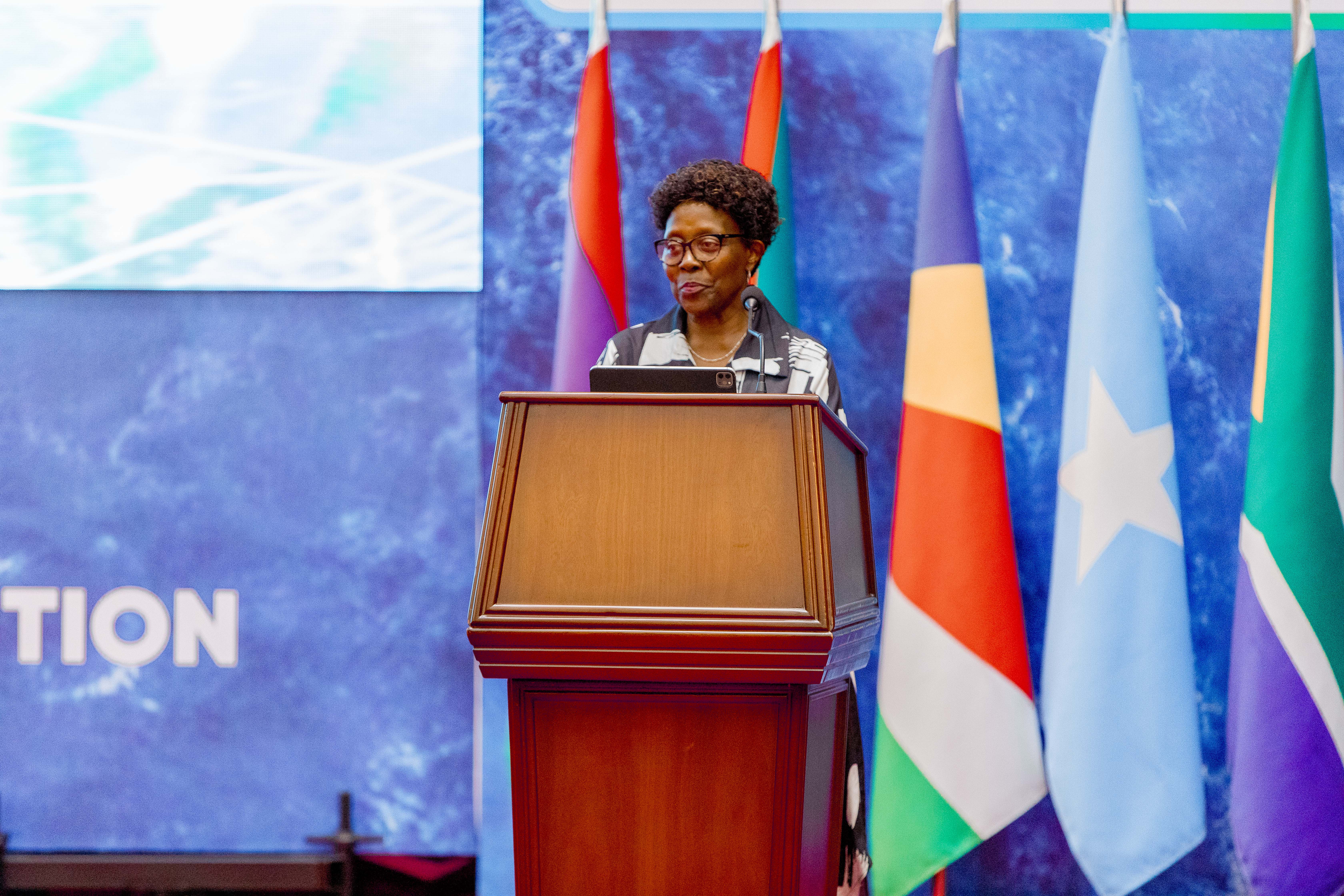
For Othman, the challenge following the meeting is to ensure that the agreed decisions produce practical results rather than remain commitments on paper.
Elizabeth Mrema, United Nations Assistant Secretary-General and Deputy Executive Director of the United Nations Environment Programme (UNEP), similarly called for the 15 decisions to be backed by implementation plans and reliable sources of finance.
She said the meeting had established a common regional direction for ocean conservation but stressed that countries needed to move quickly from commitments to implementation.
“We need to turn them into implementation… finance,” Mrema said, highlighting the importance of mobilising resources to support the agreed priorities.
She identified blue bonds, blended finance and public-private partnerships as potential mechanisms for financing marine conservation and sustainable ocean-based economic activities.
Mrema also stressed that successful implementation would require inclusive governance, with local communities, small-scale fishers, women and young people involved in decisions affecting marine and coastal resources.
She called for stronger regional collaboration to address marine plastic pollution and other environmental pressures that cross national boundaries.
Tanzania’s Minister of State in the Vice-President’s Office responsible for Union and Environment, Hamad Yussuf Masauni, thanked development partners, the private sector, civil society organisations and the scientific community for contributing to the meeting.
He said technical and financial cooperation would remain essential to advancing the Nairobi Convention’s objectives and supporting countries in implementing the decisions.

Masauni also highlighted Tanzania’s role in hosting the regional meeting, which brought together stakeholders to discuss ways of strengthening marine conservation while promoting sustainable development.
He emphasised the importance of maintaining cooperation among countries and partners to ensure that the outcomes respond to the needs of communities and the region’s wider environmental priorities.
Meanwhile, Permanent Secretary in the Vice-President’s Office responsible for Union and Environment, Dr Richard Muyungi, said the meeting’s outcomes must lead to tangible improvements in the management of marine and coastal ecosystems.
“The outcome of this conference must translate into meaningful action and stronger regional cooperation,” Muyungi said.
He urged countries to renew their collective commitment to environmental protection and resilience, noting that marine and coastal resources must continue to benefit both present and future generations.
The 15 decisions provide a regional framework for addressing threats to the Western Indian Ocean while supporting sustainable economic opportunities. Their impact, however, will depend on how individual countries incorporate the commitments into national plans, mobilise funding and work with coastal communities.