


By Jenifer Gilla
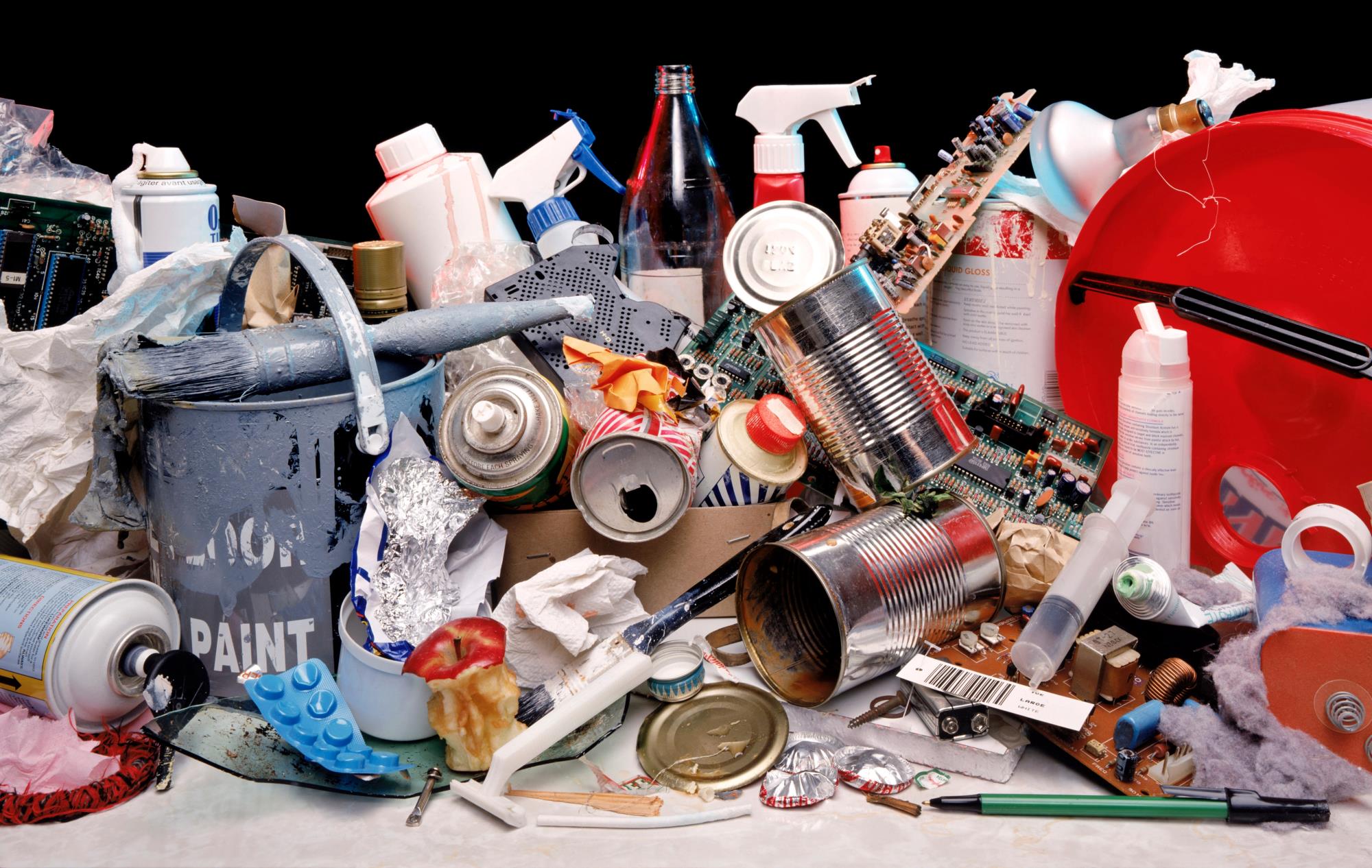
Dar es Salaam. As the continent marked Africa Day 2026, environmental organizations renewed calls for urgent action against what they describe as “waste colonialism”, the continued export of hazardous waste from wealthy nations to African countries.
The call was made by the Global Alliance for Incinerator Alternatives and Break Free From Plastic, which warned that African countries are increasingly becoming dumping grounds for plastic waste, electronic waste, textile waste and toxic chemicals originating from high-income nations.
In a joint statement released during Africa Day commemorations, the organizations said countries including the United States, Italy, Germany and Greece continue exporting waste to Africa under the guise of recycling, despite evidence that only a small fraction of plastic waste is recycled globally.
The groups said the practice places a disproportionate environmental and health burden on vulnerable communities, exposing informal waste workers and children to hazardous chemicals and pollution.
“We are witnessing our environments and communities being forced to carry a burden that is not theirs,” the organizations said.
Environmental groups raised concern over expanding waste hotspots in major African cities such as Accra, Nairobi and Lagos, where dumpsites are reportedly overwhelmed by imported plastics, discarded electronics and second-hand clothing.
Campaigners argue that the trend reflects wider global inequalities, with wealthy countries continuing to benefit from mass production and consumption while shifting environmental costs to developing nations.
Gilbert Kuepouo, Executive Director of the Centre de Recherche et d’éducation pour le Développement (CREPD), said Africa faces what he described as a “silent handicap” in enforcing protections against hazardous waste imports.
He pointed to the slow implementation of the Bamako Convention, an African treaty adopted to prohibit the importation of hazardous waste into the continent.
“Thirty-five years after its adoption, the Bamako Convention counts only 30 ratifications and only three Conferences of Parties have been organized,” he said, describing the situation as a paradox for a continent that established the treaty to protect itself from waste dumping.
Environmental advocates say that although the Bamako Convention offers stronger protections than the global Basel Convention, enforcement remains weak in many African countries due to limited political commitment and inadequate monitoring systems.
Hellen Dena, project lead for the Pan-African Plastic Project at Greenpeace Africa, warned that waste colonialism continues to fuel pollution, worker exploitation and greenhouse gas emissions across the continent.
“To address this crisis, Africa needs stronger laws such as Extended Producer Responsibility and stricter supply chain regulations to ensure manufacturers are held accountable from production to disposal,” she said.
An Environmental Investigation Agency policy expert, Justine Maillot, also called for stricter enforcement of new European Union regulations aimed at limiting plastic waste exports to developing countries.
Activists further urged Western manufacturers to invest in sustainable waste management systems within their own countries instead of shifting the environmental burden to the Global South.
Jim Puckett, Executive Director of the Basel Action Network, said African nations have already demonstrated leadership in resisting hazardous waste imports and should continue taking a firm stance against plastic pollution.
Meanwhile, Sirine Rached, Global Policy Advisor at GAIA, said reducing plastic production itself remains central to addressing the crisis.
“Plastic waste prevention, which begins with addressing plastic overproduction, is critical,” she said.
Environmental organizations insist that future generations in Africa should not bear the health and environmental consequences of waste generated elsewhere.
“Africa is not a dumping ground,” the organizations declared.