


By Jenifer Gilla
Dar es Salaam. Tanzania has secured $320 million (Sh832 billion) during the 2024/25 and 2025/26 fiscal years to rehabilitate and strengthen critical infrastructure damaged by climate change, as the country continues to face increasing losses from extreme weather events.
The funding is part of the government’s broader efforts to address the growing impacts of climate change, which continue to affect key sectors of the economy, including agriculture, water resources, health, transport and energy.
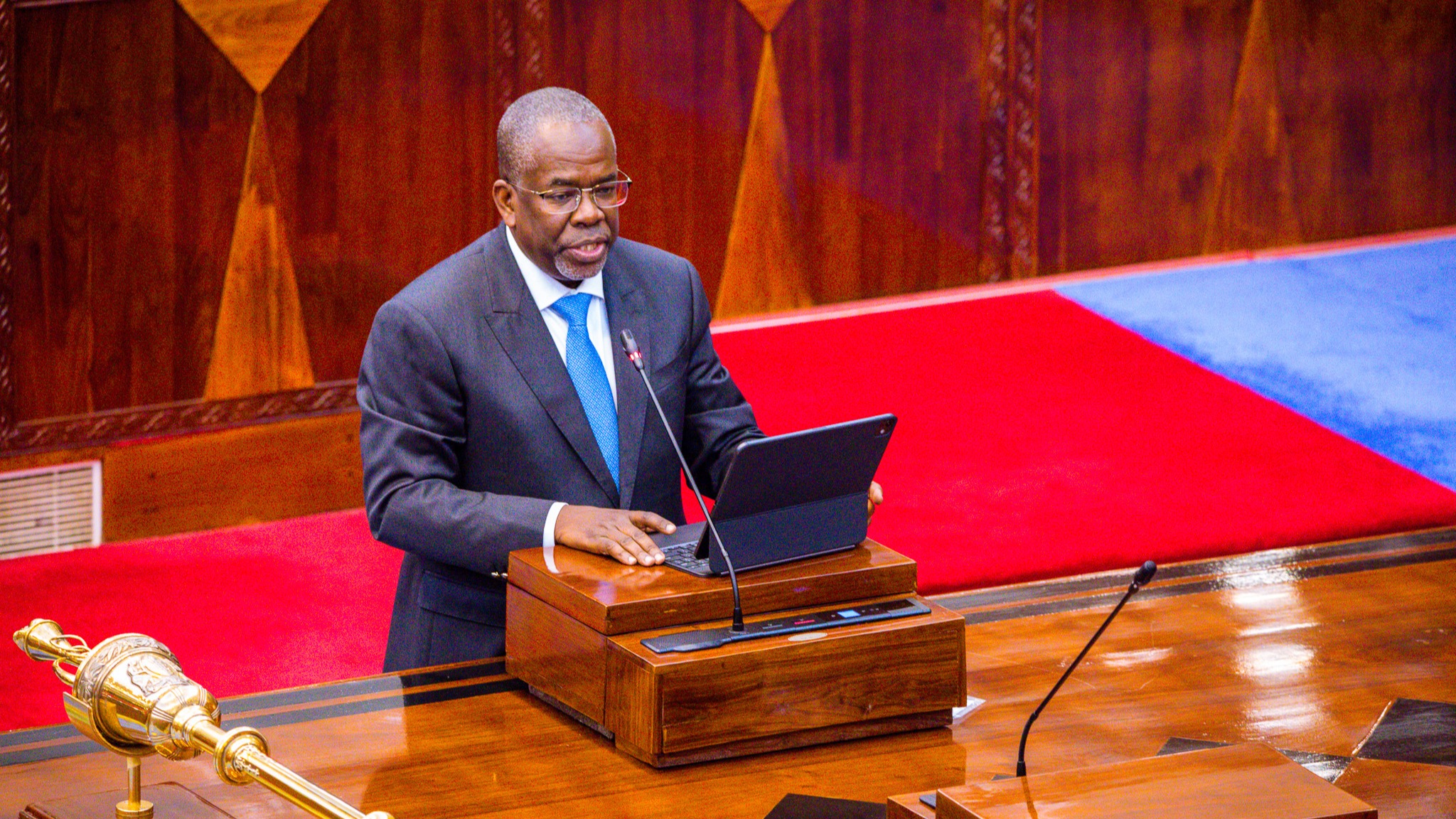
Presenting the government’s 2026/27 budget proposals in Parliament on June 11, Finance Minister Khamis Mussa Omar said climate change considerations would continue to be integrated into national planning and budgeting processes.
He said Tanzania has experienced an increase in climate-related disasters in recent years, prompting the government to adopt measures aimed at enhancing the country’s resilience and response capacity.
“To address climate-related disasters, the government has established the use of the World Bank’s emergency response mechanism to help manage the impacts of climate-induced shocks,” Omar told Parliament.
In addition to rehabilitating damaged infrastructure, the government is promoting the adoption of clean energy as part of efforts to reduce greenhouse gas emissions, protect forests and improve public health.
Omar said the government would continue providing incentives for the use of clean energy while investing in enabling infrastructure to expand access to clean cooking technologies, industrial energy solutions and cleaner transport systems.
According to the minister, the measures are intended to ensure reliable and sustainable access to energy, reduce energy costs, save time for households and businesses, and minimise environmental and health risks associated with traditional energy sources.
He added that wider adoption of clean energy is expected to reduce dependence on firewood and charcoal, helping to curb deforestation and support long-term environmental conservation efforts.
The government will also continue implementing the National Environmental Conservation and Management Master Plan (2022–2032) and the National Clean Cooking Energy Strategy (2024–2034), which aim to strengthen climate resilience, promote sustainable development and accelerate Tanzania’s transition to cleaner energy sources.