


By Jenifer Gilla
Dar es Salaam. For decades, organic waste has been regarded as an unavoidable consequence of urban life, piling up in dumpsites, clogging drainage systems and contributing to environmental degradation in rapidly expanding cities.
Yet across parts of Tanzania, communities are beginning to challenge this perception. What was once considered garbage is increasingly being recognized as a valuable resource capable of restoring degraded soils, boosting food production, creating employment opportunities and reducing greenhouse gas emissions.
Through community-led Zero Waste initiatives, households and markets are transforming food scraps, vegetable residues and other biodegradable materials into nutrient-rich compost that supports urban agriculture while diverting waste from landfills.
The approach is helping families lower farming costs, increase crop yields and improve food security at a time when cities are grappling with rapid population growth, rising food prices and mounting waste management challenges.
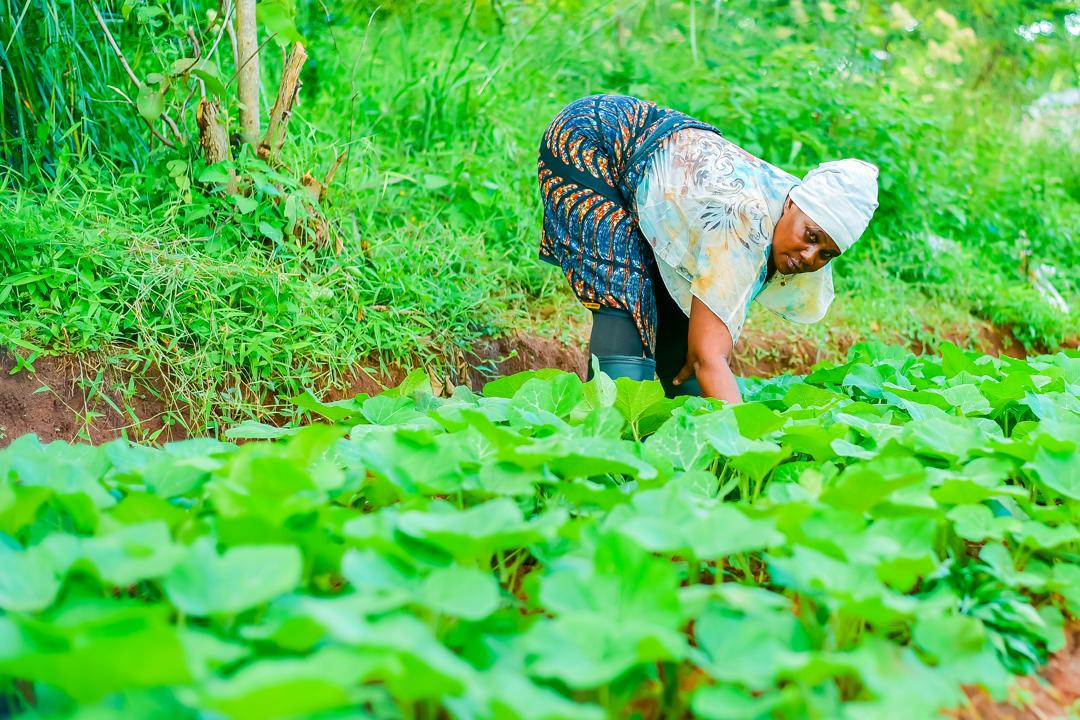
For Amina Thobias, a resident of Bonyokwa in Dar es Salaam, composting has changed not only her garden but also the way she thinks about waste.
“The biggest change is seeing waste transformed into something useful,” she says.
“Compost has improved the quality of our vegetables and reduced the amount of money we spend on farm inputs.”
She explains that before participating in the initiative, organic waste generated at home was simply discarded along with other household refuse.
Today, however, her family separates biodegradable waste at the source, allowing it to be collected and processed into compost instead of being transported to landfills.
“Compost production has shown us that waste can support our environment and strengthen our family’s food security,” she says.
Amina’s experience reflects a broader shift taking place in communities participating in the Zero Waste programme, where residents are beginning to understand waste as part of a circular economy rather than a disposal problem.
For fellow resident Thabit Rajabu, composting demonstrates how improved waste management can directly strengthen local food systems.
“As cities continue to grow rapidly, food security challenges also increase,” he says.
“Zero Waste systems help communities build resilience from the ground up.”
According to Rajabu, compost returns essential nutrients to depleted soils, improves soil fertility, enhances moisture retention and increases crop yields.
It also offers farmers an affordable alternative to chemical fertilizers whose prices have become increasingly difficult for many households to afford.
“This creates a direct connection between waste management and agricultural development,” he says.
Urban agriculture has become increasingly important in Tanzania’s fast-growing cities, where thousands of households rely on backyard gardens and small plots to supplement household income and provide fresh vegetables for their families.
Compost offers a low-cost and environmentally friendly solution that improves soil structure while reducing dependence on synthetic inputs.
Waste that nourishes the soil instead of filling landfills
Organic waste represents the largest share of municipal waste generated in Tanzania.
According to the World Bank, between 60 and 70 percent of urban waste in Tanzania is organic material.
Despite its potential value, much of this waste still ends up in landfills and dumpsites where it decomposes in the absence of oxygen, producing methane a greenhouse gas significantly more potent than carbon dioxide in trapping heat in the atmosphere.
Marco Dotto, Zero Waste Community Mobilization Officer at Nipe Fagio, says recovering organic waste before it reaches disposal sites offers one of the most practical opportunities for cities to reduce emissions while simultaneously improving agricultural productivity.
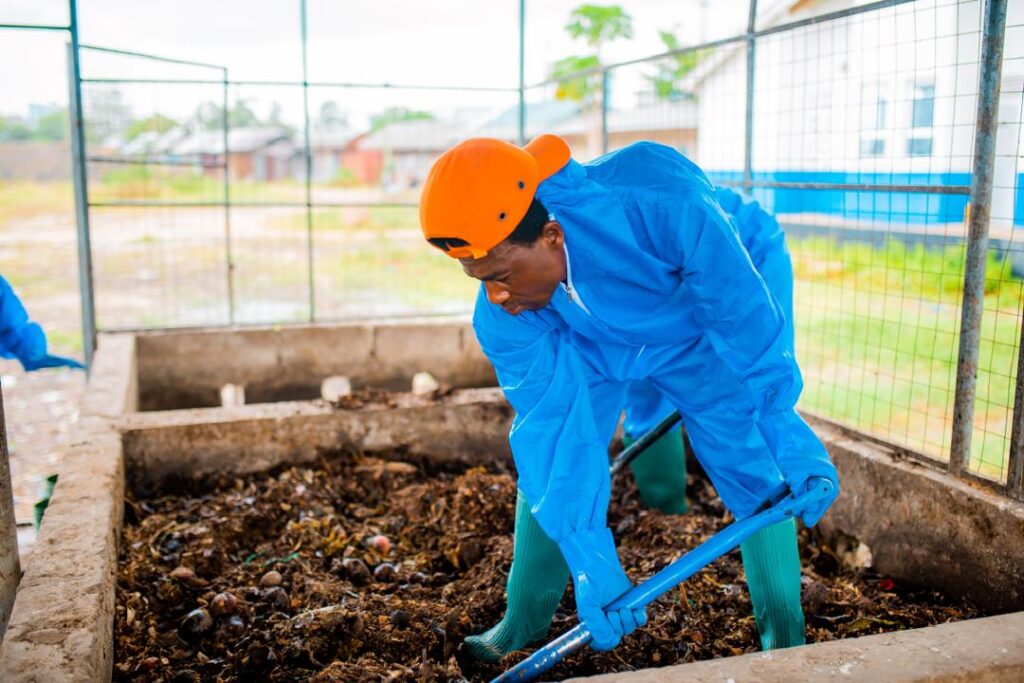
“The Zero Waste system provides an alternative approach by encouraging households to separate waste at source, improving collection systems and establishing decentralized composting facilities that return nutrients to the soil,” he says.
The impact of these efforts is already becoming visible.
Through Zero Waste programmes operating in Tanzania, more than 3.5 million kilograms of waste have been managed, including nearly 2.8 million kilograms of organic waste diverted from landfills and transformed into compost.
“These figures demonstrate that organic waste is not a minor waste stream but the foundation of an effective waste management system,” says Dotto, noting that organic materials account for approximately 80 percent of all waste collected through the programme.
Several communities have already established decentralized composting systems, including Bonyokwa and Simu 2000 Market in Dar es Salaam, Kijitoupele and Chumbuni in Zanzibar, and Chumbageni in Tanga.
Their experiences suggest that community-based composting can succeed in a wide range of settings, from densely populated urban settlements to island communities and smaller municipalities.
“When households separate waste and communities invest in composting, we reduce methane emissions and dependence on landfills,” Dotto says.
“At the same time, we create a local resource that improves soil health, supports food production and strengthens livelihoods.”
Creating a circular economy
Beyond environmental benefits, composting initiatives are also creating economic opportunities for local communities.
More than 133 waste collectors are currently involved in the daily collection, sorting and transportation of waste to decentralized processing facilities, contributing to a growing circular economy that generates employment while improving urban sanitation.
Material Recovery Facilities (MRFs) have become central to this process. These facilities help separate recyclable materials while ensuring that organic waste is directed to composting centres rather than disposal sites.
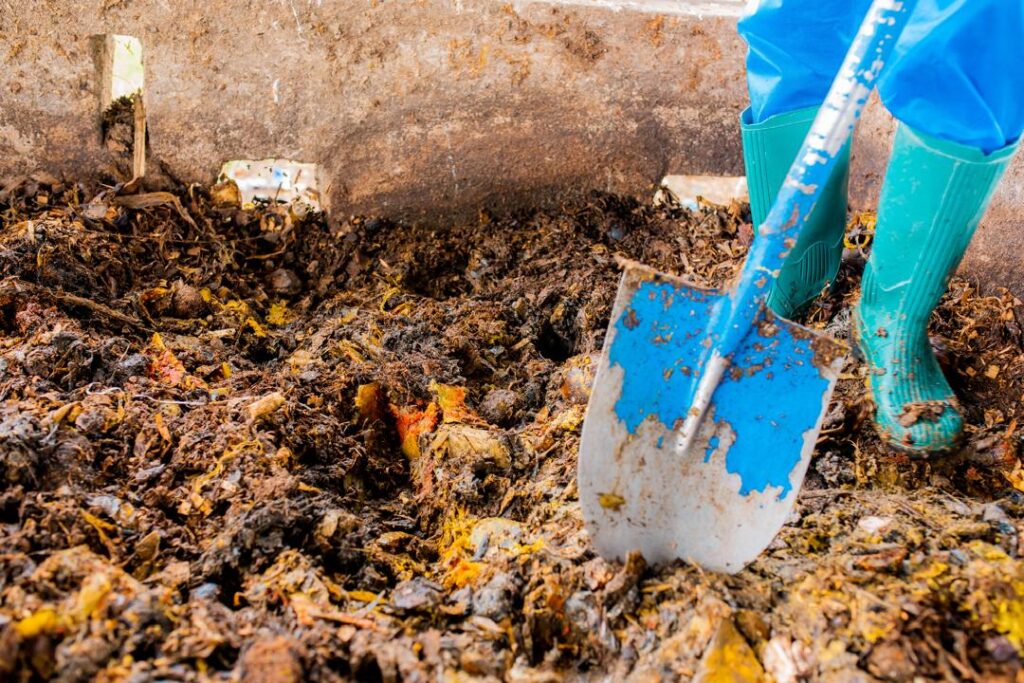
According to Dotto, laboratory analyses indicate that the compost produced through these initiatives contains essential nutrients required for healthy plant growth, including nitrogen, phosphorus, potassium, calcium and magnesium.
These nutrients improve soil fertility, enhance soil structure and increase the soil’s capacity to retain moisture, characteristics that are becoming increasingly important as climate change contributes to prolonged dry spells and unpredictable rainfall patterns.
The compost has proven effective for a wide variety of crops cultivated by Tanzanian farmers, including maize, cassava, bananas, coconuts, sunflower, papaya, mangoes, avocados and numerous vegetable varieties.
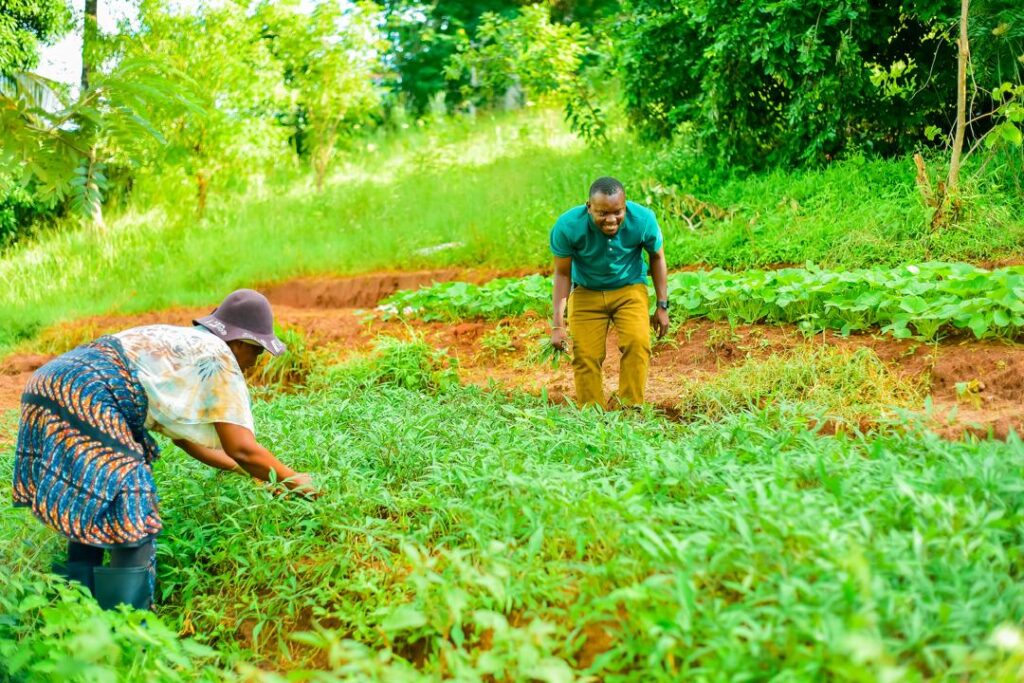
To expand adoption, more than 150 farmers and urban gardeners in Dar es Salaam and Zanzibar have received training on compost application and sustainable agricultural practices.
Demonstration farms established in Bonyokwa and Chumbuni continue to showcase the benefits of compost made from household organic waste.
Cleaner cities, lower costs
The benefits of composting are also extending to local governments that face increasing pressure from rising waste collection and disposal expenses.
Editha Godfrey, an Agricultural Officer at Ubungo Municipal Council, says municipal reports indicate growing acceptance of compost among urban and peri-urban farmers.
She notes that the practice contributes not only to improved food production but also to cleaner neighbourhoods and healthier living environments.
According to Godfrey, composting offers multiple advantages by reducing the amount of waste transported to landfills, creating employment opportunities, lowering greenhouse gas emissions and strengthening local food sovereignty.
Meanwhile, Lawi Benard, Head of the Solid Waste Management Unit at Ubungo Municipal Council, says the diversion of organic waste away from disposal sites has generated significant financial savings for the municipality.
“One of the greatest achievements has been reducing municipal waste management and transportation costs from Sh5 million to Sh1.8 million per month, while keeping Simu 2000 Market clean and creating jobs for young people involved in waste collection and transportation,” he says.
The experience of communities participating in Zero Waste initiatives demonstrates that better waste management does not necessarily require expensive infrastructure.
Dotto believes the model can be replicated across Tanzania because it is based on relatively simple, community-owned systems rather than highly centralized and costly facilities.
“Because this Zero Waste system relies on decentralized, community-owned infrastructure instead of expensive centralized facilities, it is cost-effective and can be scaled up easily,” he says.
As Tanzanian cities continue to expand and pressure on waste management systems intensifies, composting is increasingly emerging as a practical solution capable of addressing multiple challenges simultaneously.