


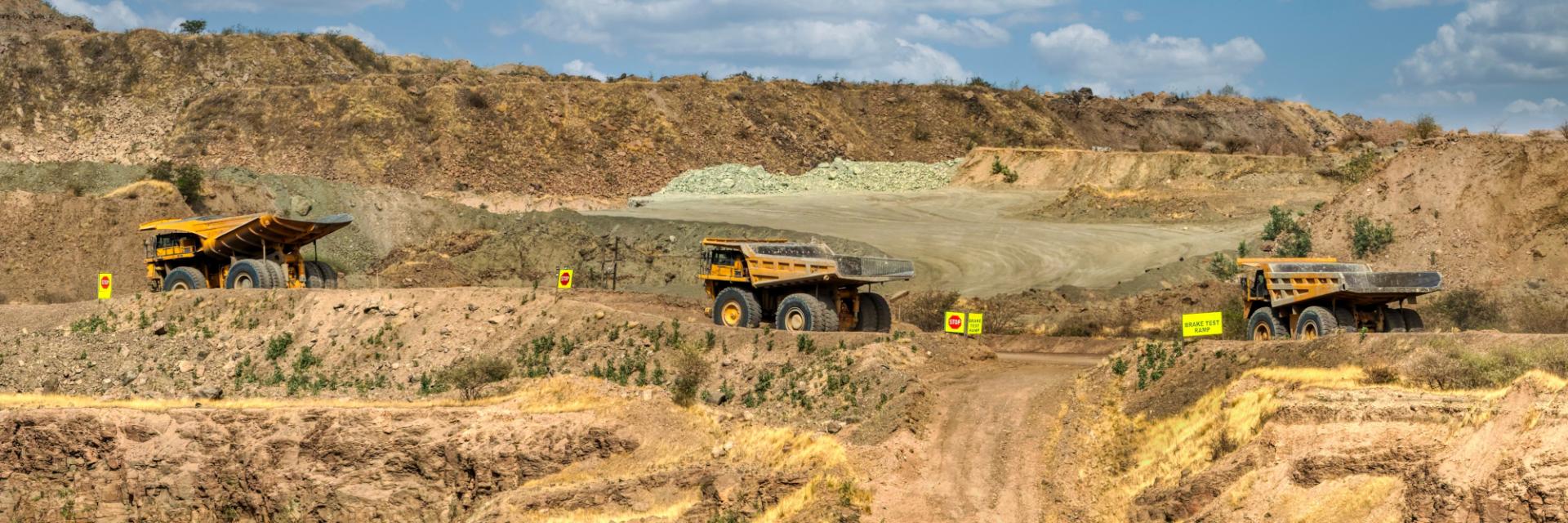
Durban, South Africa. The Southern African Development Community (SADC) has been urged to process more of its critical minerals locally as the region seeks to use its mineral wealth to accelerate industrialisation, create jobs and diversify its economies.
The call comes as global demand for minerals needed for the clean energy transition continues to rise, placing SADC countries at the centre of the emerging green economy.
The region holds significant deposits of copper in Zambia and the Democratic Republic of Congo (DRC), cobalt in the DRC, manganese in South Africa and lithium in Zimbabwe, among other critical minerals.
Experts say converting these resources into processed products within the region, rather than exporting them in raw form, could help SADC countries capture a greater share of the value generated from the global energy transition.
The issue was highlighted during the ninth SADC Industrialisation Week and Exhibition held in Durban, South Africa, under the theme: “Resilient, Sustainable and Inclusive Industrialisation through Infrastructure Development, Agricultural and Critical Minerals Transformation in Pursuit of a Just World.”
The meeting placed responsible mineral extraction and value addition at the centre of discussions on how the region can achieve sustainable industrialisation.
The Economic Commission for Africa (ECA), through a five-year regional project supported by the International Climate Initiative (IKI), is working with six SADC countries to promote responsible and inclusive value chains for energy transition minerals.
The project covers the DRC, Mozambique, Namibia, South Africa, Zambia and Zimbabwe.
ECA Economic Affairs Officer Oliver Maponga said responsible exploitation and processing of critical minerals could play an important role in developing regional value chains and reducing dependence on exports of unprocessed resources.
“Our work, through the project on promoting ESG principles and responsible mining, directly contributes to sustainable industrialisation because environmental governance is critical in shaping industrial policy across the SADC region,” Mr Maponga said.
The project seeks to support the development of mining policies that comply with environmental, social and governance (ESG) principles, improve environmental and climate monitoring and strengthen the participation of communities living in mining areas.
It is being implemented with the African Union Commission’s African Minerals Development Centre, Wits Enterprise, WWF Germany, the German Federal Institute for Geosciences and Natural Resources (BGR) and Projekt Consult GmbH.
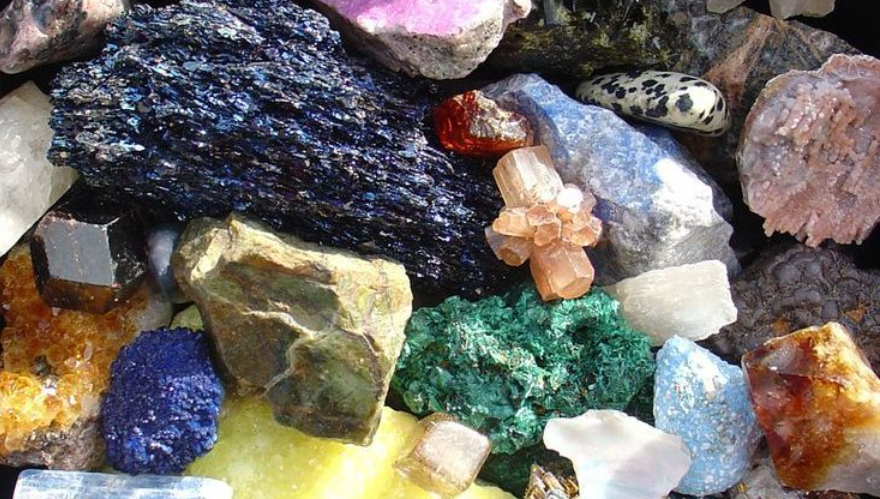
Artisanal miners
The role of artisanal and small-scale miners was also a key issue during the industrialisation discussions.
A panel convened by the United Nations Industrial Development Organization (UNIDO) and ECA examined ways of making SADC industries more competitive and resilient while ensuring that mining communities and small-scale producers benefit from the growing demand for critical minerals.
Artisanal and small-scale miners are important players in the supply chains for several critical minerals despite operating with limited access to technology, finance and technical skills.
Mr Maponga said their contribution to the energy transition mineral supply chain should be recognised and supported as countries develop responsible mining systems.
“Artisanal and small-scale miners occupy important nodes in the supply of critical energy transition minerals as reliable sources of the minerals despite their technological, financial and skills limitations,” he said.
“We need to ensure that the benefits that result from responsible mining and processing of critical energy transition minerals trickle down to the entire mining value chain.”
The empowerment of artisanal and small-scale miners is also among the recommendations of the United Nations Secretary-General’s Panel on Critical Energy Transition Minerals.
The argument is that leaving small-scale miners outside formal value chains could limit their ability to benefit from rising demand while making it more difficult to improve environmental and social standards in the sector.
Value addition at source
SADC Executive Secretary Elias Magosi said the region already possessed many of the ingredients required for industrialisation, including mineral resources, markets and potential international partnerships.
The challenge, he said, was to turn those advantages into productive industries by investing in infrastructure and skills, transforming agricultural value chains and processing critical minerals closer to where they are extracted.
The push for local beneficiation comes as countries face growing pressure to capture more economic value from the minerals needed for batteries, renewable energy technologies and other clean-energy infrastructure.
For SADC, the opportunity extends beyond mining.
Developing processing and manufacturing industries around copper, cobalt, lithium, manganese, platinum group metals and rare earth elements could create new industrial value chains while generating employment, strengthening regional trade and reducing dependence on the export of raw materials.
The ECA-led project is therefore seeking to link responsible mining with broader industrial policy, ensuring that the region’s mineral wealth contributes not only to export earnings but also to sustainable economic transformation and improved livelihoods for communities in mining areas.