


By Cynthia Atuo
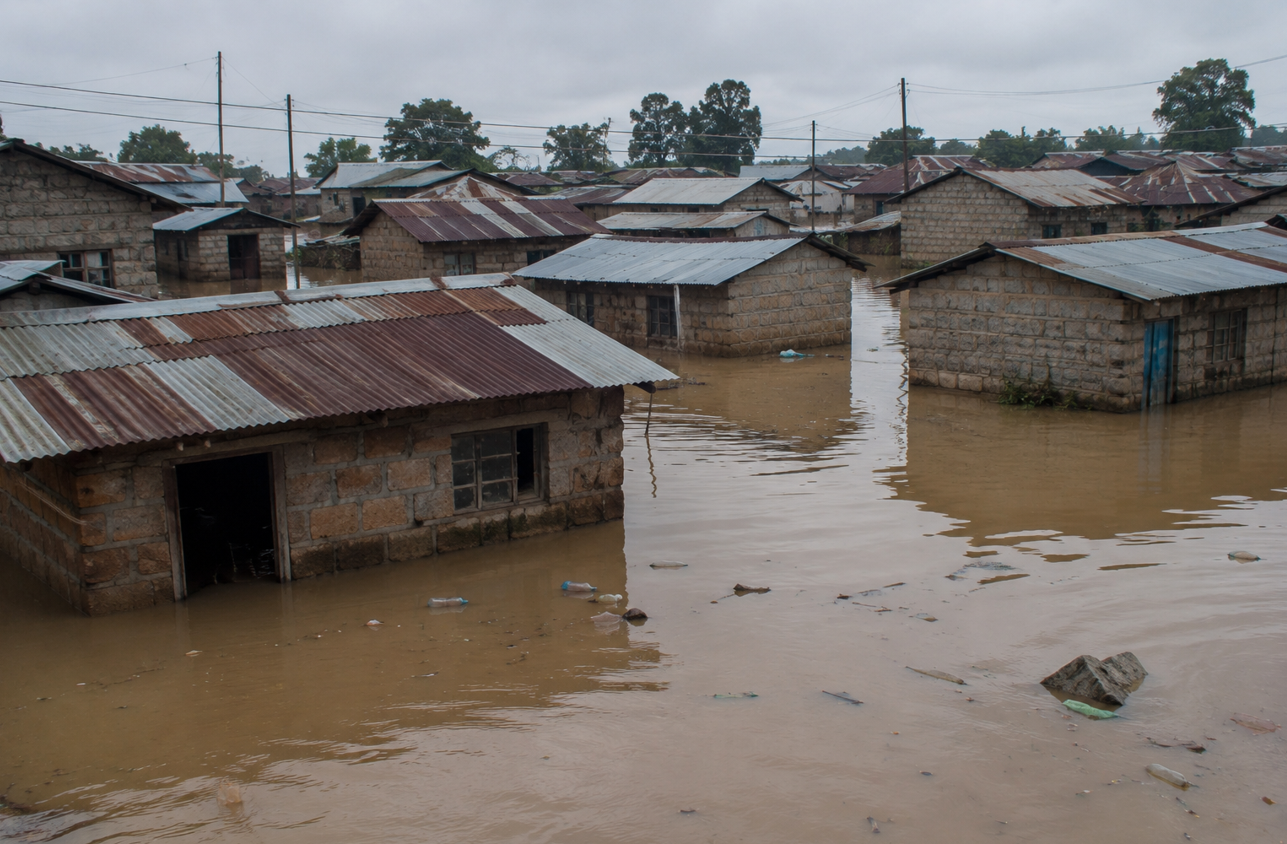
Nairobi. In the Mareba informal settlement in Nairobi’s Industrial Area, a fragile calm reigns on the surface. Life moves forward, and few physical scars remain from the devastating flash floods of April 2024.
Yet, beneath the routine lies deep-seated dread. Weather forecasts warning of a potential El Niño phenomenon in the October–December rainy season have reignited traumatic memories for residents who survived the disaster especially mothers who bore the brunt of its physical and emotional toll.
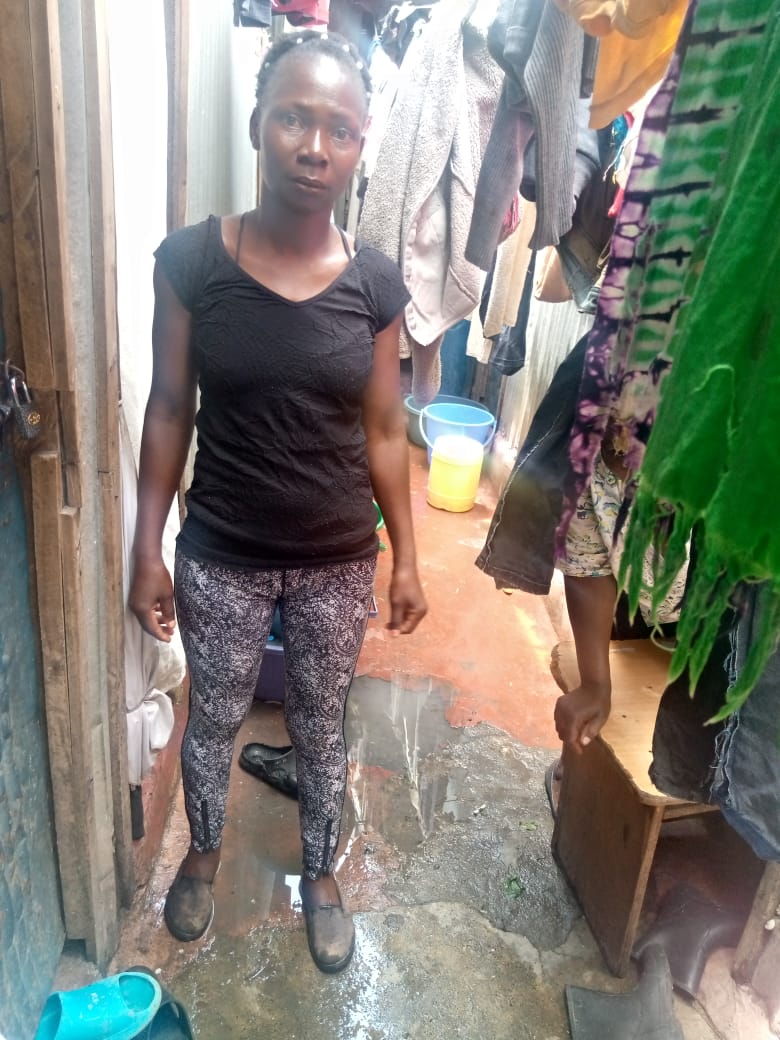
For 41-year-old Fatuma Malava, news of impending heavy rains brings instant anxiety. Her fears extend far beyond losing her home; they stem from the acute medical complications she and her children suffered during the last deluge, and the lingering grief for neighbors who lost their children.
“News about a potential El Niño makes my heart sink,” Fatuma says.
“Last time, I woke up to a house submerged in sewage and garbage. I almost lost my youngest child while trying to escape.”
A single mother of two, Fatuma cares for a child with special needs and a toddler. During the 2024 floods, she was recovering from severe postpartum complications following a month-long admission at Mbagathi Hospital. When floodwaters cut off access to medical facilities and destroyed her home, along with all her medical records, her own health needs became an unaffordable priority.
“I had just been discharged after a long, complicated recovery from childbirth,” she recalls. “My eldest daughter needed constant care for her condition, and my toddler needed my full attention. With nowhere safe to go, we slept on corrugated iron rooftops or begged for space in neighbors’ upper-story rooms. I had to put my own health aside and focus solely on keeping my children alive.”
The immediate tragedy was mirrored across her neighborhood.
“My immediate neighbor lost an infant while trying to escape the rising water,” Fatuma says.
“Another neighbor lost all five of her children, two drowned, and three died later from flood-related health complications. The waters showed no mercy, and many deaths went completely unreported.”
The health crisis did not end when the waters receded. Returning to damp, contaminated homes triggered lingering illness. Fatuma’s children developed chronic respiratory issues, including pneumonia, leading to recurring hospital visits that continue to strain her limited finances.
Fatuma’s story reflects a widespread vulnerability among women in informal settlements during extreme weather events. Displacement, interrupted healthcare, and the societal expectation to prioritize family survival over maternal health leave women acutely exposed.
According to the World Health Organization (WHO), climate change could cause roughly 250,000 additional deaths annually between 2030 and 2050 from malnutrition, malaria, diarrhea, and heat stress alone.
WHO data also links extreme weather and temperature spikes to heightened risks of adverse maternal and perinatal outcomes, including gestational diabetes, hypertension, preterm birth, and stillbirth.
Speaking at a media forum hosted by the Media for Environment, Science, Health, and Agriculture (MESHA), Rose Mokaya, Assistant Director of Public Health at Kenya’s Ministry of Health, emphasized that climate change is an active public health crisis.
“Climate change is no longer a distant threat,” Mokaya stated. “We are seeing its effects directly in our hospital wards. People are falling ill from climate-related impacts, particularly extreme heat and threats to maternal and child health.”
Mokaya noted that the 2024 floods crippled local infrastructure, directly impairing emergency response and routine care. “More than 60 healthcare facilities across Kenya were affected, with several submerged in water and rendered entirely inaccessible.”
Friday Phiri, Climate Change Health Advocacy Lead at AMREF Health Africa, emphasized that informal settlements suffer the most when primary care points fail.
“When floods strike, community health posts the very first line of defense for vulnerable residents are often washed away,” Phiri said. “When these frontline service points disappear, communities are left with nowhere to turn.”
In response to growing risks, the Ministry of Health is developing measures to strengthen health infrastructure against climate shocks. These include a dedicated health-sector climate change strategy, green healthcare guidelines, and standardized tools to assess facility vulnerabilities.
The Ministry is also conducting a National Climate Health Vulnerability and Adaptation Assessment to identify high-risk areas, guide the National Health Adaptation Plan, and establish specialized climate health units.
However, significant funding shortages threaten the speed and scope of these initiatives.
“Funding gaps remain a major hurdle,” Mokaya explained, noting that the Ministry is attempting to secure alternative support through global climate funds, loss-and-damage financing, and public-private partnerships.
Phiri highlighted that this funding shortfall is part of a global trend. Despite the health sector’s extreme vulnerability to climate impacts, it receives less than five percent of global climate finance from multilateral institutions and development partners.
“Health is just as vulnerable as agriculture or water,” Phiri argued. “Why isn’t the health sector receiving proportional support?”
For residents in Mareba, abstract policies and global financing debates offer little reassurance. Little has changed on the ground since 2024: drainage systems remain blocked, infrastructure remains unimproved, and seasonal flood risks remain unabated.
“After the floods, government officials came to assess the area, but after a while, they stopped coming,” Fatuma says. “Nothing has been fixed to protect us. As the rains approach, I am terrified because we are still living in the exact same danger zone.”
This story first appeared in Sayansi Magazine ©MESHA Features