


By Jenifer Gilla
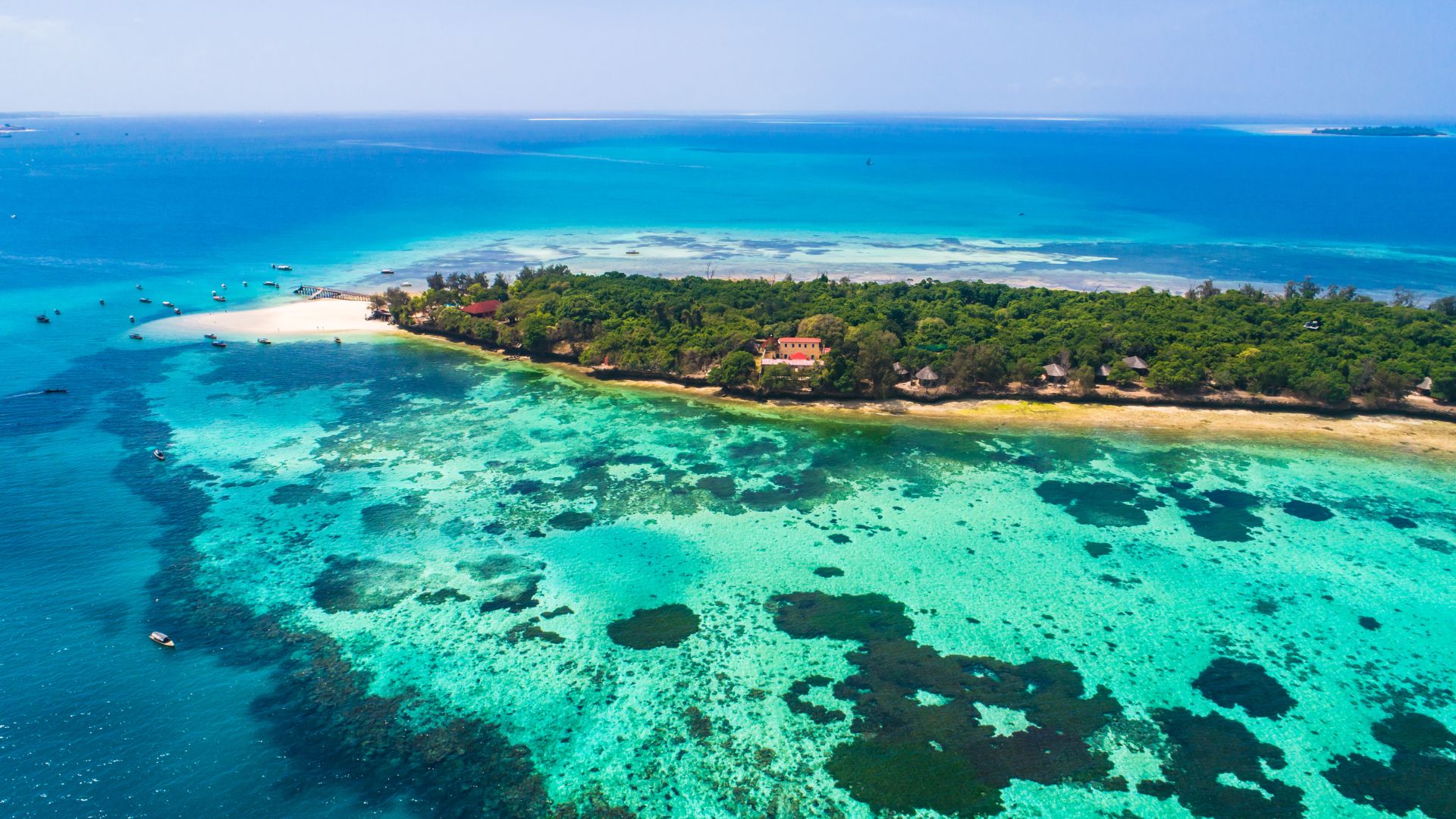
Zanzibar. Despite ongoing efforts by the Revolutionary Government of Zanzibar to conserve marine ecosystems through sustainable management of ocean resources, climate change continues to threaten both marine biodiversity and the livelihoods of coastal communities that depend on the sea.
The warning comes as Zanzibar increasingly relies on its blue economy as a key driver of growth.
According to the Nairobi Convention report 2024, ocean-based activities contribute more than 29 percent of Zanzibar’s Gross Domestic Product (GDP) and employ nearly one-third of the workforce.
The sectors include fisheries, marine tourism, shipping, maritime trade and seaweed farming. Tourism alone contributes close to 30 percent of Zanzibar’s GDP, while nearly 98 percent of international trade is conducted through maritime transport.
Speaking during the 29th Annual Research Workshop organised by REPOA, Zanzibar’s Second Vice President, Hemed Suleiman Abdulla, said climate change is increasingly undermining the sustainability of the blue economy.
He cited rising sea levels, coral bleaching, stronger storms and declining fish stocks as some of the major threats facing the islands.
The workshop brought together officials from Mainland Tanzania and Zanzibar, alongside marine experts and stakeholders, to discuss strategies for strengthening marine ecosystems and protecting ocean-based livelihoods.
Mr Abdulla said Zanzibar’s rich marine ecosystems, cultural heritage and peaceful environment have helped position the islands as a major global tourist destination. However, he warned that rising global temperatures continue to damage marine systems that are central to tourism, fisheries and other ocean-dependent economic activities.
He called for urgent investment in climate-resilient infrastructure and stronger early warning systems to help protect coastal communities and marine resources from climate-related shocks.
The Vice President also stressed the importance of strengthening collaboration between fisheries institutions, marine training colleges and universities to support long-term growth in the sector. He further proposed the integration of ocean education into school curricula.
“I urge you to recognise that the blue economy is more than just an economic sector. It is a shared national journey that requires accountability, innovation, strong research, and regional and international cooperation,” he said.
Mr Abdulla also underscored the need to involve young people in marine conservation and blue economy initiatives through income-generating projects and skills development.
According to him, young people have the potential to drive innovation in marine tourism, digital marine services, marine technology and value-added ocean products.
“This demonstrates that the blue economy is not limited to fishing and maritime transport alone, but is also an area of innovation, technology and entrepreneurship,” he said.
He added that the Revolutionary Government of Zanzibar is investing in marine entrepreneurship training for youth, including seaweed farming, drone technology, modern aquaculture and advanced marine systems.
A marine biologist from the University of Dar es Salaam, Yunus Daud Mgaya, said Tanzania could strengthen marine conservation efforts by investing more in the blue carbon economy.
He explained that ecosystems such as mangroves and seagrasses have a high capacity to absorb carbon, making them important tools in both climate mitigation and marine conservation.
According to Dr Mgaya, investment in blue carbon initiatives could also enable Tanzania to benefit from international carbon markets while supporting coastal community development.
However, he noted that the country would need to strengthen carbon measurement systems, improve transparency in benefit-sharing and build credible partnerships that support both environmental conservation and local livelihoods.
Meanwhile, Zanzibar’s Permanent Secretary in the Ministry of Blue Economy and Fisheries, Captain Hamad Bakar Hamad, said ongoing marine conservation initiatives have helped increase fish and seaweed production.
He said the sectors currently support more than 100,000 people across Zanzibar, although challenges such as illegal fishing and environmental degradation continue to threaten progress.