


By Jenifer Gilla
Dar es Salaam. The government has launched a National Solid Waste Management Strategy (2025–2030) aimed at reducing waste generation and promoting a circular economy as part of efforts to protect the environment, improve public health, and support sustainable urban development.
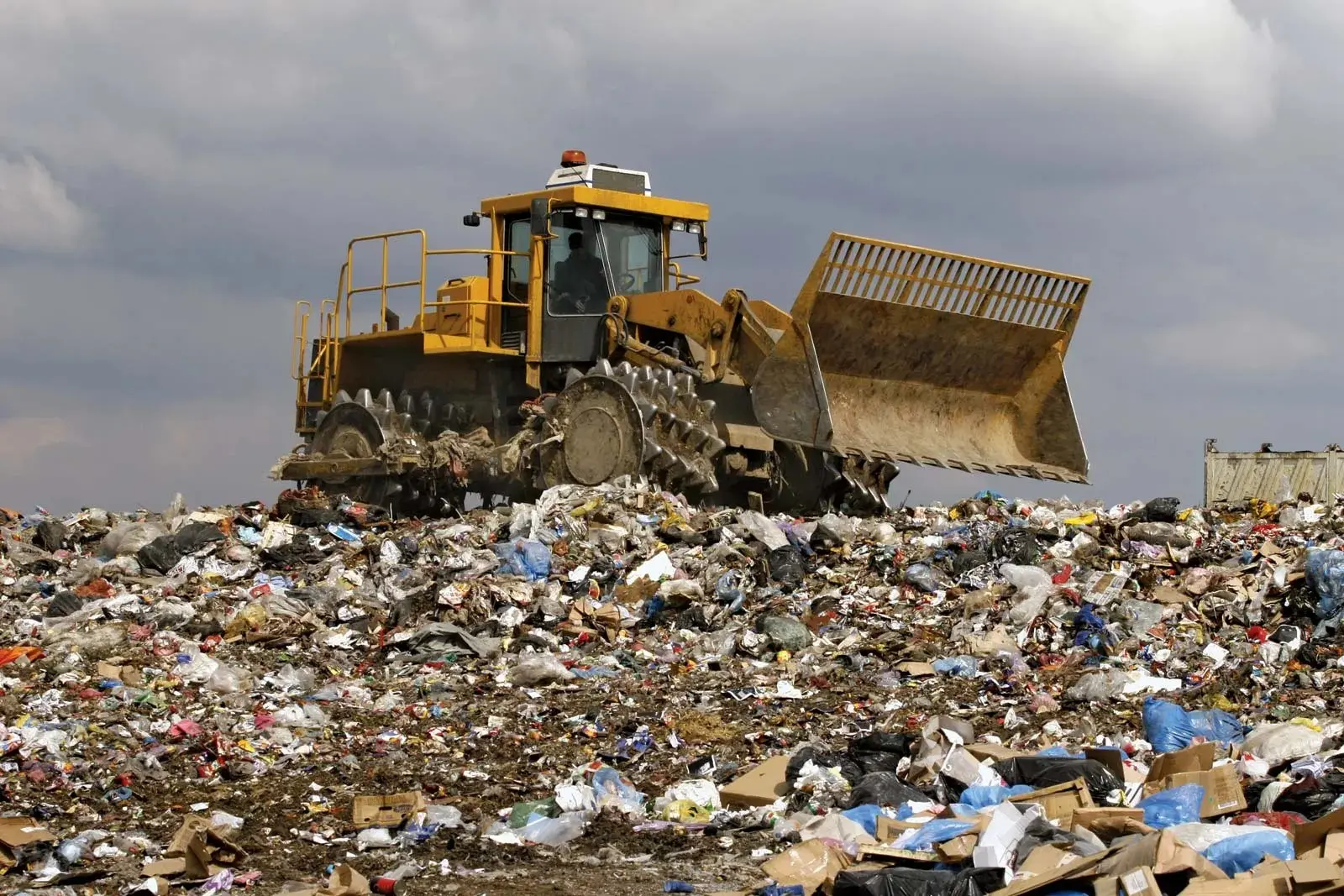
The strategy comes amid growing concerns over the rapid increase in waste generation across the country and weak waste management systems.
According to the Vice President’s Office (Environment), Tanzania generates between 14.4 million and 20.7 million tonnes of solid waste annually, with a significant portion remaining uncollected or poorly managed.
Launching the strategy in Dodoma on May 12, 2026, during the Annual Evaluation Meeting on the Implementation of Solid Waste Management and Urban Environmental Sanitation Interventions, the Minister of State in the Prime Minister’s Office responsible for Regional Administration and Local Government, Prof Riziki Shemdoe, said waste management should be treated as both an environmental and economic issue.
The meeting brought together government officials, development partners, and environmental experts to assess progress and discuss ways to strengthen waste management systems nationwide.
Prof Shemdoe said waste should no longer be viewed as a burden but as a resource that can create employment and generate income through recycling and processing activities.
He directed local government authorities to strengthen waste collection and disposal systems while encouraging youth and women to utilise the 10 percent local government loans to invest in waste management businesses.
“Improved sanitation has helped reduce outbreaks of diseases such as cholera in some areas, enabling the government to save resources that can be redirected to other development priorities,” he said.
He also stressed the need for environmental cleanliness to remain a permanent agenda item in decision-making processes at all levels, from regional administrations to village governments.
The strategy aligns with the National Environmental Policy of 2021, the Environmental Management Act (EMA) of 2004, and Tanzania’s commitments under the Paris Agreement through its Nationally Determined Contributions (NDCs).
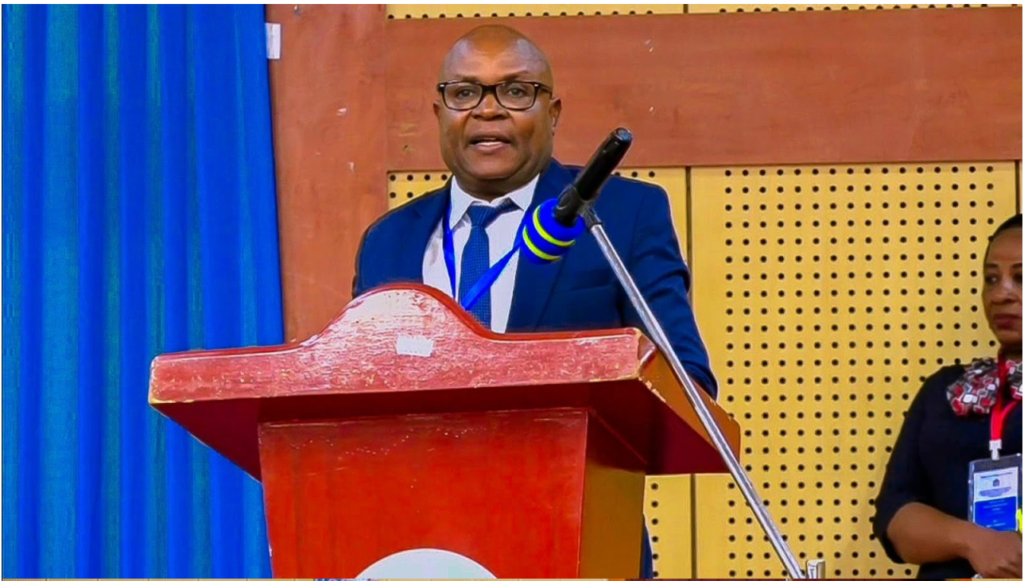
Speaking at the meeting, the Assistant Director for Climate Change and Assessment in the Vice President’s Office, Dr Kanizio Manyika, said Tanzania produces more than 17 million tonnes of solid waste annually, with between 60 and 75 percent not properly collected.
He warned that poor waste management continues to threaten ecosystems, water sources, and public health.
Dr Manyika said unmanaged waste also releases methane gas, a major contributor to climate change, underscoring the need for modern and integrated waste management systems.
Meanwhile, the Deputy Permanent Secretary in the Prime Minister’s Office responsible for health matters, Prof Tumaini Nagu, said effective waste management systems are critical in protecting public health, particularly in rapidly growing urban areas.
He noted that six out of 10 diseases affecting communities are linked to environmental pollution and poor sanitation.
Prof Nagu also called for sustained public awareness campaigns on the dangers of waste accumulation in streets and residential areas, saying improved sanitation would help reduce disease outbreaks and ease pressure on the healthcare system.
“Better environmental sanitation will lower healthcare costs and allow more resources to be channelled to other priority health services,” he said.