


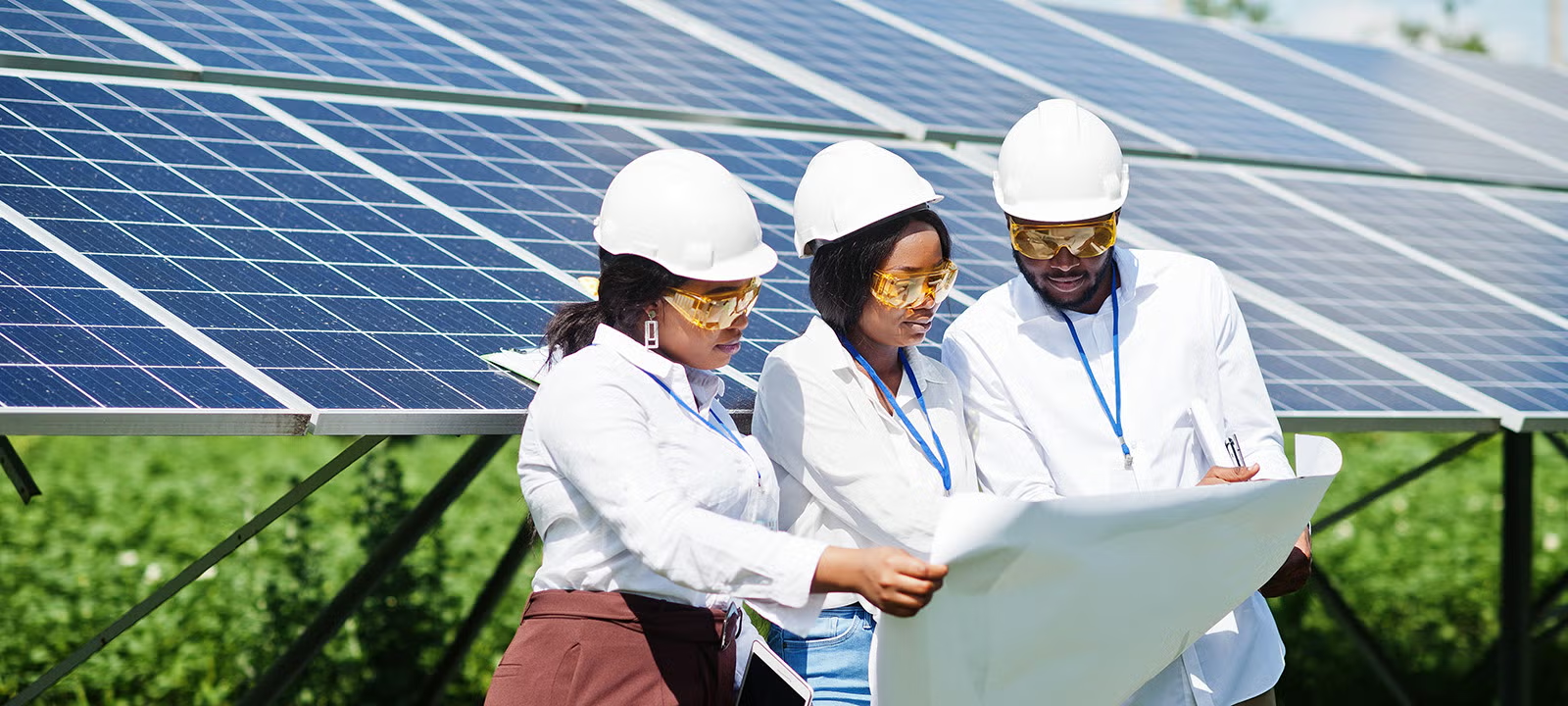
Dar es Salaam. Africa’s transition to clean energy will only succeed if women and young people are treated not merely as consumers of energy, but as workers, entrepreneurs, innovators and decision-makers driving the transformation.
As African countries accelerate efforts to expand renewable energy and reduce dependence on fossil fuels, experts warn that the continent risks deepening inequality unless policies deliberately place women and youth at the centre of the transition.
Despite abundant renewable energy resources and a rapidly growing youthful population, millions of Africans still lack access to reliable electricity and clean cooking energy, limiting opportunities for education, employment and economic growth.
According to the 2025 Tracking SDG7: The Energy Progress Report, about 666 million people worldwide still have no access to electricity, with 85 per cent of them living in sub-Saharan Africa. Nearly 730 million people also lack access to clean cooking energy, exposing millions of households to health risks and environmental degradation.
Women and girls remain the most affected, especially in rural communities where many spend hours collecting firewood and managing household energy needs, often at the cost of education, income-generating activities and personal safety.
At the same time, Africa’s demographic trends present enormous opportunities. The United Nations projects the continent’s youth population will exceed 800 million by mid-century, while the International Renewable Energy Agency estimates that Africa’s clean energy transition could create more than 26 million jobs by 2050, including over 8 million in renewable energy sectors.
Experts say these opportunities can only be realised if governments adopt gender- and youth-responsive policies.
A forthcoming report by the United Nations Economic Commission for Africa (ECA), titled Engendering Africa’s Clean Energy Transition, shows women currently occupy only a small share of jobs in Africa’s energy sector, particularly in technical and leadership positions. Young people also remain underrepresented in decision-making spaces.
The report attributes these gaps largely to policy and institutional barriers, including unequal access to finance, discriminatory property and inheritance laws, and limited opportunities in science, technology, engineering and mathematics education.
Women- and youth-led enterprises also face challenges accessing credit, markets and business development support in the clean energy value chain.
Discussions during the 12th Africa Regional Forum on Sustainable Development (ARFSD 12) highlighted that several African countries are already implementing policies aimed at improving inclusion in the energy sector.
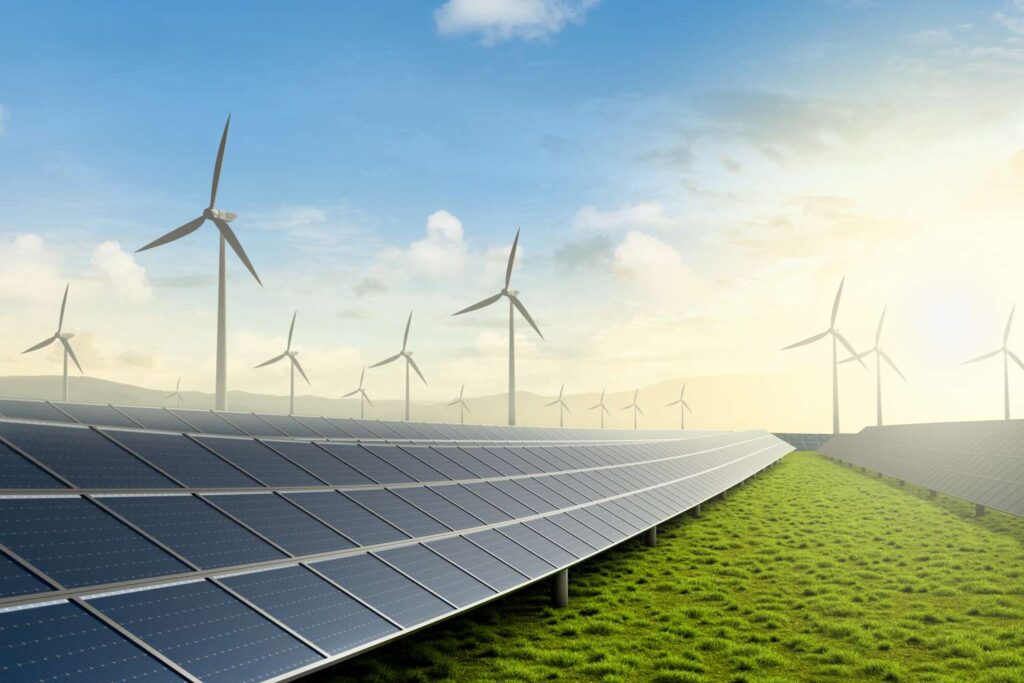
In Ghana, the 2019 Gender and Energy Policy integrates gender analysis and gender-responsive budgeting into energy programmes, including the Rural LPG Promotion Programme, which supports women as distributors of clean cooking technologies.
Kenya has established a Gender Unit within its Ministry of Energy and introduced programmes that increase women’s participation in off-grid solar projects, geothermal energy and last-mile electricity distribution.
Meanwhile, Zambia has expanded women’s involvement in rural electrification and clean energy governance through initiatives such as the Zambia Gender and Energy Network.
Regional financing programmes, including the Beyond the Grid Fund for Africa, are also beginning to adopt gender-focused financing models that support women- and youth-led clean energy businesses.
Experts say these examples demonstrate that policy commitments alone are insufficient without practical implementation tools such as dedicated financing, quotas, mentorship programmes, skills training and stronger data systems.
Three priorities emerged from the discussions.
The first is integrating gender and youth considerations into national energy and climate policies, including budgeting and monitoring systems.
The second is investing in technical training, apprenticeships and entrepreneurship programmes to equip women and young people with skills required in renewable energy, energy efficiency and clean cooking industries.
The third is expanding access to affordable finance for women- and youth-led enterprises through blended finance mechanisms and dedicated lending facilities.
The ECA says it plans to strengthen support for African governments by integrating gender-responsive energy policies into broader programmes on financial inclusion, entrepreneurship and climate resilience.
The commission also intends to work with governments, development banks, civil society organisations and youth networks to promote financing and skills development programmes aimed at ensuring women and young people benefit from Africa’s clean energy transition.
Analysts argue that if properly managed, the transition could become more than an environmental necessity, serving as a pathway to job creation, gender equality, economic inclusion and sustainable development across the continent.