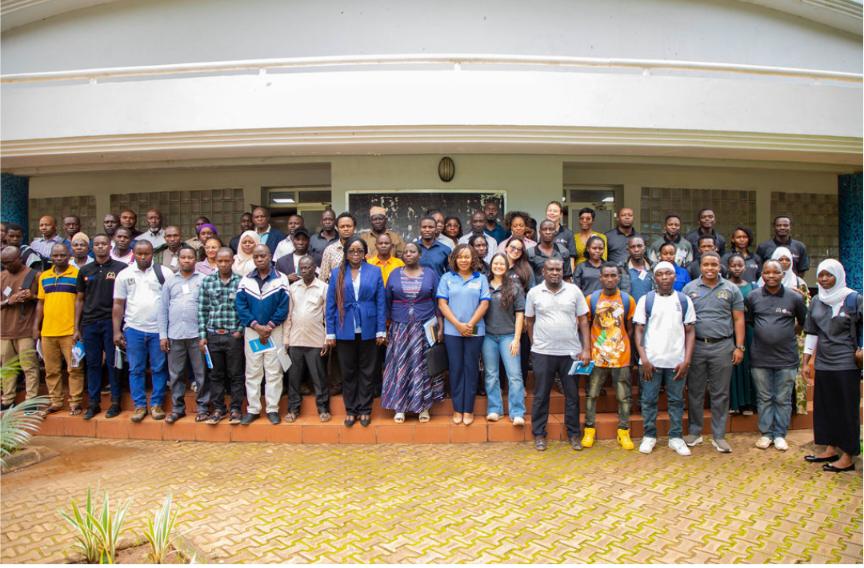


Morogoro. Efforts to address the impacts of climate change and water scarcity have received a fresh boost following strengthened collaboration between researchers and local communities through the international ICP Connect and Lab to Life project.
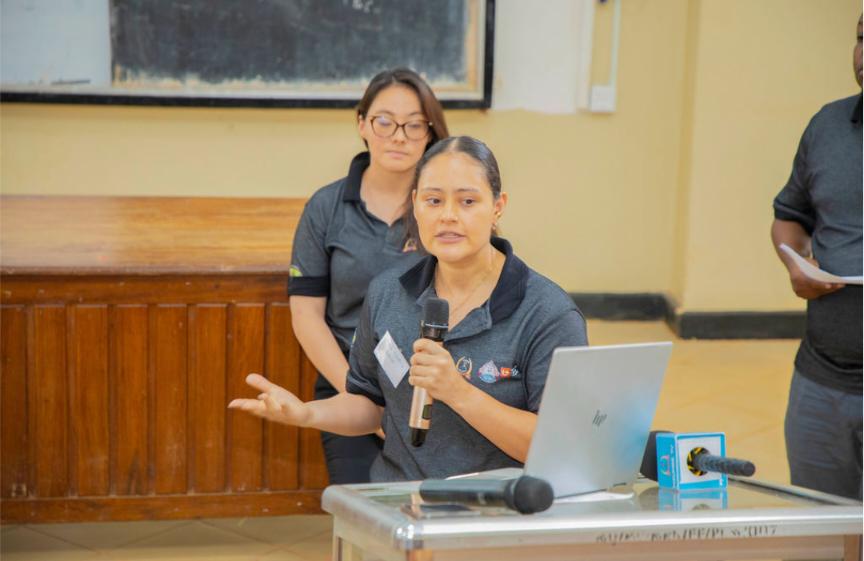
The initiative was highlighted during a seminar held at Mzumbe University to present preliminary findings from social science research conducted under the project’s second phase.
The project brings together international and local institutions, including University of Antwerp, Mzumbe University, the Institute of Development Policy (IOB), Uganda Christian University, and Nelson Mandela African Institution of Science and Technology.
Opening the seminar, Acting Deputy Vice Chancellor for Academic, Research and Consultancy at Mzumbe University, Proscovia Kamugisha, said the project has strengthened national capacity in monitoring and evaluation through the Master’s Degree in Monitoring and Development Evaluation (MDME) programme.
She stressed that connecting research with communities is essential in ensuring studies produce practical solutions that directly improve people’s livelihoods.
“Our goal is to ensure research findings do not remain on shelves, but instead reach communities and help solve real-life challenges,” she said.
Project coordinator Christina Shitima said one of the project’s key achievements has been involving communities directly in research processes, allowing researchers and residents to jointly identify solutions that are acceptable and sustainable.
Another researcher, Lucy Massoi, noted that meaningful stakeholder engagement enables communities to become part of the solution to their own challenges while also contributing to better policymaking and improved daily living conditions.
The project comes at a time when experts increasingly warn that many climate adaptation projects across Africa risk becoming “maladaptation” because they are designed without adequately involving affected communities.
Research by the International Institute for Environment and Development (IIED) shows that adaptation programmes are more sustainable when communities participate in decision-making and implementation processes.
Several studies from Sage Journals have also cautioned that some adaptation interventions fail because they are overly technical and disconnected from local realities. A study conducted in informal settlements in Dar es Salaam found that adaptation policies often overlook the everyday experiences and needs of communities, including gender-related challenges.
Another study from ScienceDirect focusing on Zanzibar warned that poorly designed coping mechanisms may create long-term negative effects, including environmental degradation and development setbacks, if communities are excluded from planning and policy decisions.
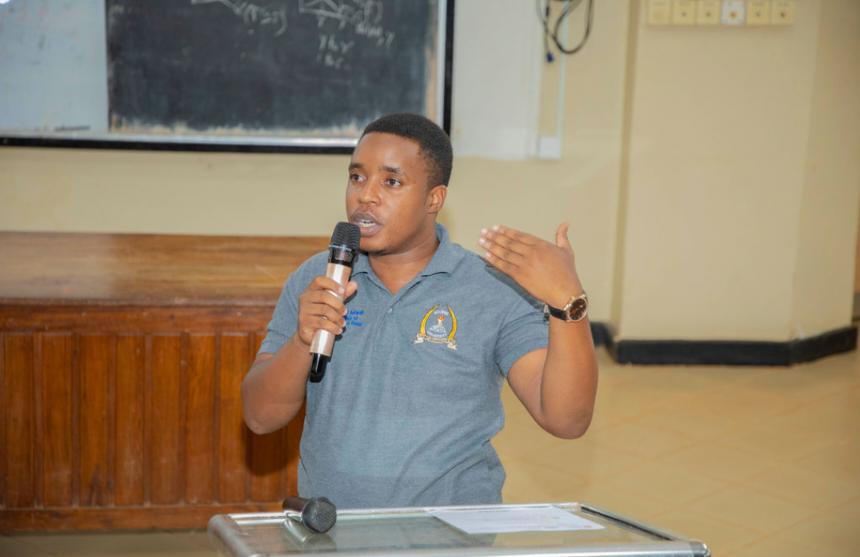
Speaking during the seminar, Richard Temu from Twaweza said participatory methods such as animation and community engagement have helped transform citizens from passive recipients of information into active problem-solvers.
“When communities are fully involved, they become part of the solution instead of remaining spectators,” he said.
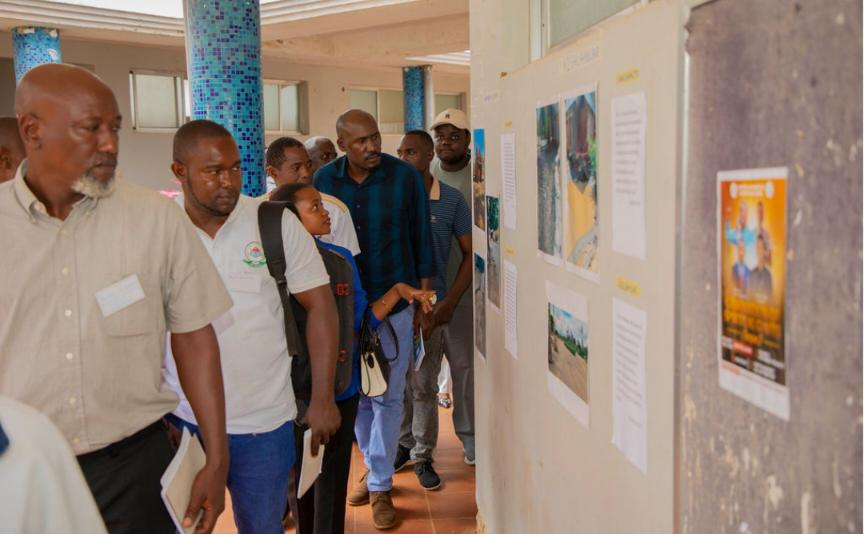
The seminar brought together stakeholders from Mvomero District Council, Wami/Ruvu Basin Water Board, TURUWASA Mvomero, ward and village leaders from Turiani Division, as well as researchers, students and lecturers from partner institutions.
During the presentations, students shared findings from field studies conducted in rural communities.
In Kilimanjaro village, Kisala Ward in Turiani Division, Mvomero District, researchers installed a modern weather-monitoring device capable of measuring wind speed, humidity and river water trends. The data is expected to support early flood warnings and improve community preparedness for natural disasters.
In Lusanga village, researchers identified persistent water challenges, including dependence on unsafe water sources, seasonal shortages during dry periods and poor infrastructure. To address the situation, the team recommended strengthening participatory water resource management, timely payment for water services and promoting simple water treatment methods such as boiling and filtering before use.
The seminar further demonstrated that combining academic knowledge with community experience is critical in developing sustainable solutions to climate and development challenges.
Closing the event, Acting Head of the Department of Economics, Robert Lihawa, said participatory research should be prioritised because of its potential to bring meaningful change to communities.
“Sustainable development cannot be achieved without close collaboration between researchers, communities and policymakers,” he said.
As climate change impacts continue to intensify, initiatives that place communities at the centre of adaptation efforts are increasingly seen as vital in building resilience and improving access to essential resources such as water.