


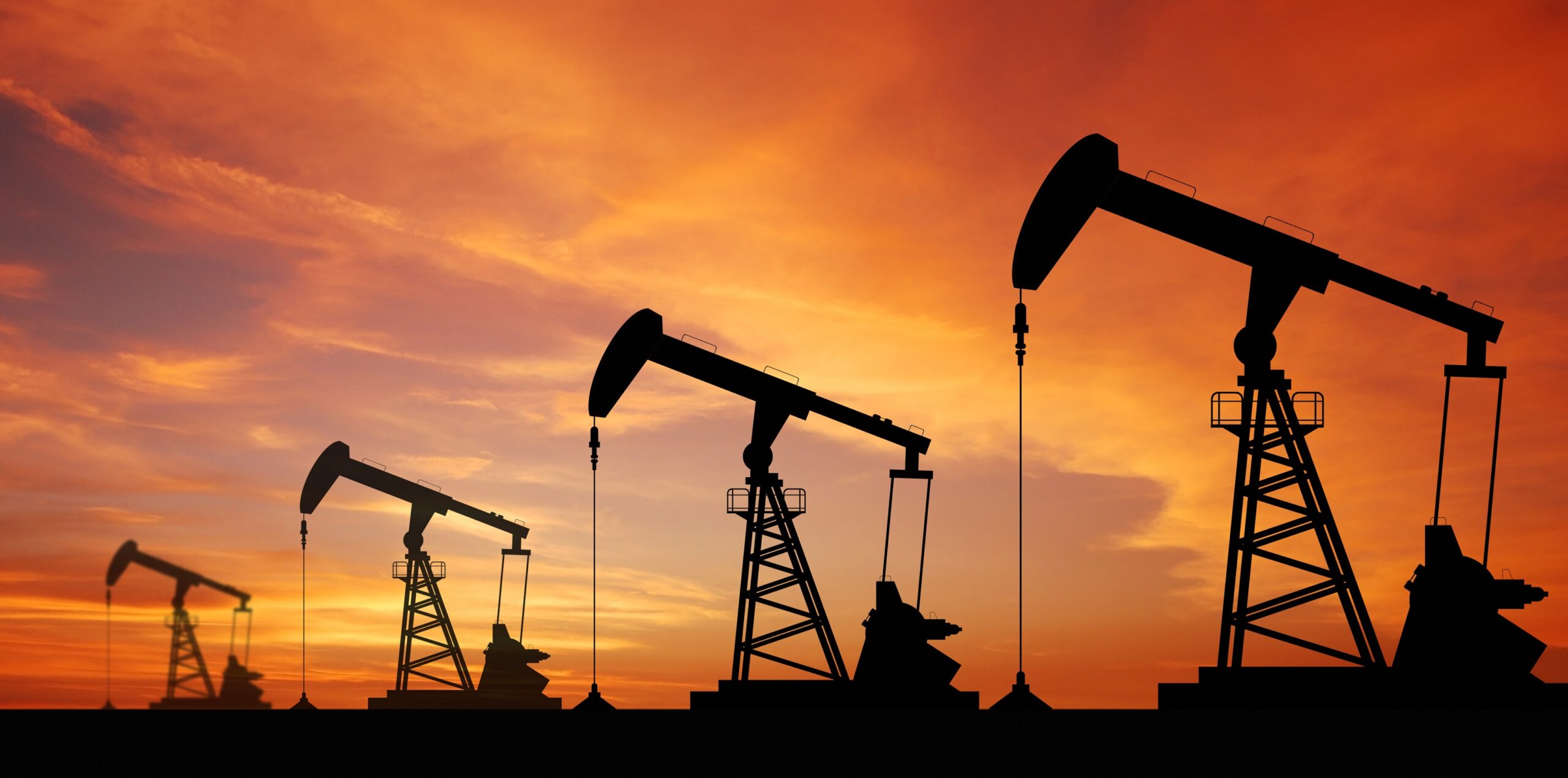
Nairobi, Kenya. A new report released during the Africa–France Summit has challenged long-standing claims that oil and gas extraction can drive economic development in Africa, arguing instead that decades of fossil fuel production have deepened inequality, poverty and economic dependence across producing countries.
The report, Pipe Dreams, published by Oil Change International and Power Shift Africa, analyses evidence from 13 oil-producing African countries and concludes that fossil fuel extraction has largely benefited multinational corporations and political elites rather than ordinary citizens.
Its release coincides with the Africa–France Summit in Nairobi, where African and global leaders are meeting to discuss energy investment, industrialisation and economic cooperation under the theme Africa-France Partnerships for Innovation and Growth.
According to the report, despite exporting large volumes of oil and gas, many African countries remain heavily dependent on imported fuels and vulnerable to global price shocks. Millions of Africans still lack access to reliable electricity and clean cooking energy.
The study identifies several structural weaknesses within the fossil fuel industry, including limited job creation, extraction of wealth by multinational companies, environmental damage and exposure to volatile boom-and-bust economic cycles.
It also warns that the risks associated with new oil and gas projects are increasing as the global energy transition accelerates. With international demand for fossil fuels expected to decline in the coming decades, the report says African countries risk being left with stranded assets, mounting debt and falling revenues.
The authors argue that renewable energy offers a more sustainable pathway for Africa by expanding electricity access, creating jobs and supporting resilient local economies.
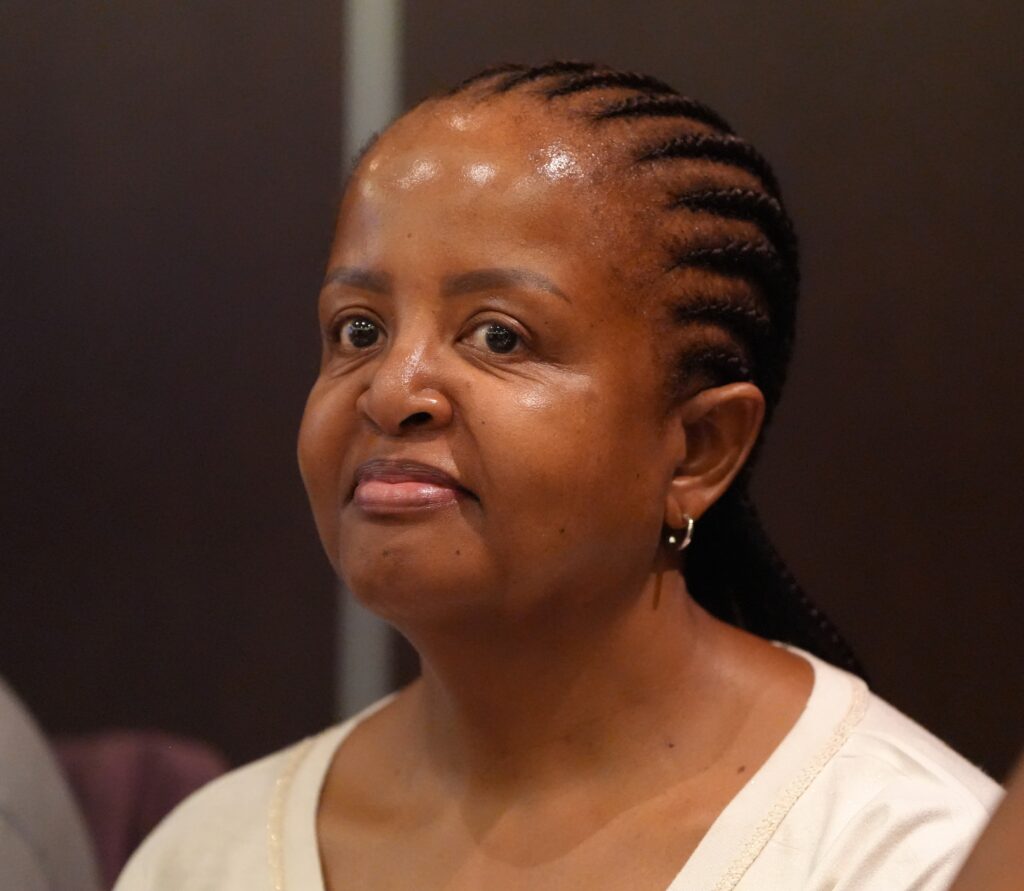
Speaking during the launch, Thuli Makama said fossil fuel extraction had failed to improve the lives of many Africans despite decades of production.
“Oil and gas have not and will not deliver development for Africa. Instead, this model concentrates wealth in the hands of multinational corporations and political elites, while communities are harmed by pollution, lost livelihoods and rising costs of living,” she said.
She added that recent geopolitical conflicts and global energy market disruptions had exposed the volatility of fossil fuel dependence by driving up food and energy prices and worsening economic hardship for millions.
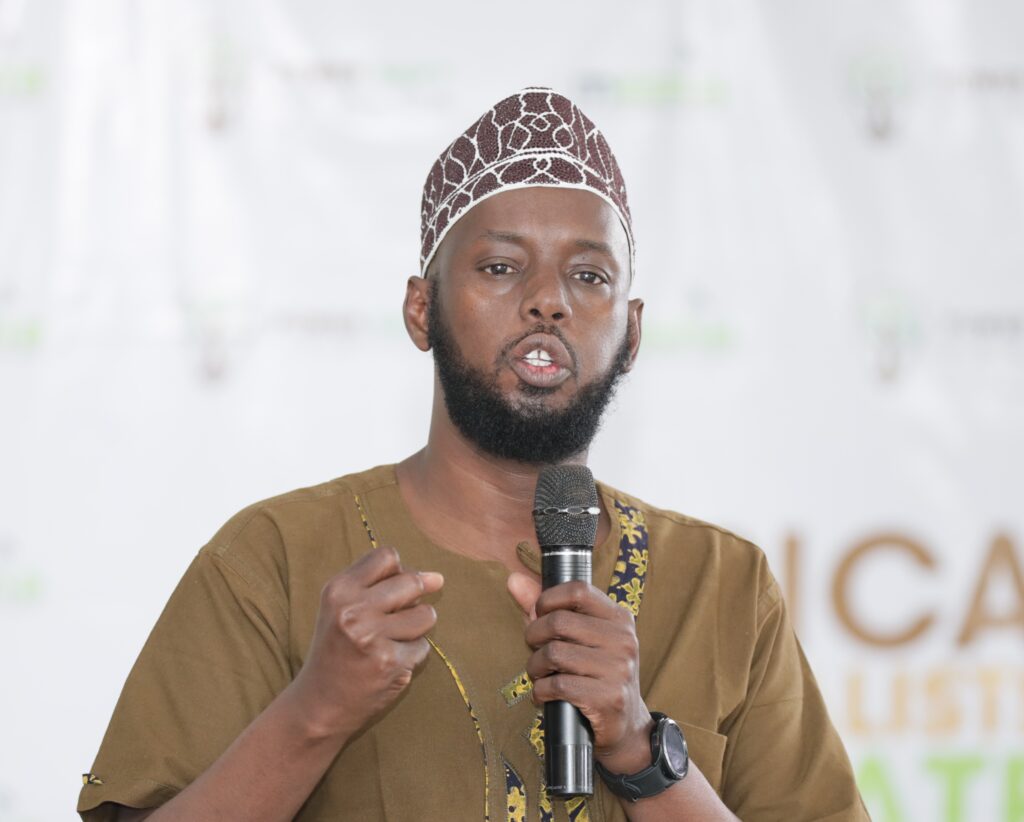
Mohamed Adow said one of the continent’s greatest contradictions was that Africa exports energy while millions of Africans still rely on charcoal for cooking and lack reliable electricity.
“The issue is neither a lack of resources nor a lack of potential. The problem is an extractive economic model designed primarily around exports and multinational profits rather than building resilient local economies and delivering energy access for people,” he said.
The report also calls on African governments and international partners to increase investments in renewable energy systems such as solar, wind, geothermal and hydropower.
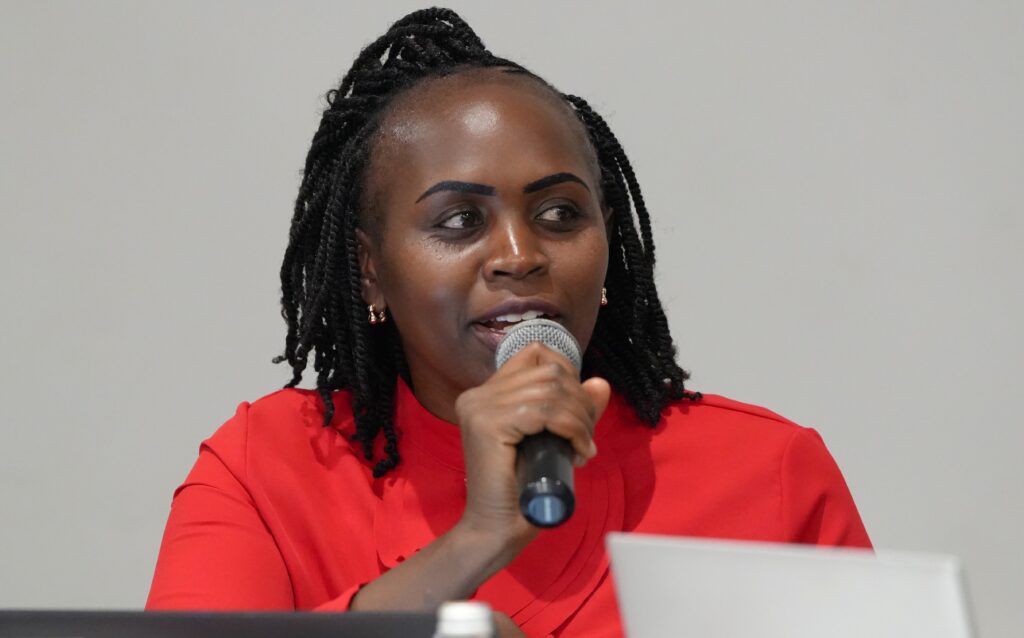
Jacqueline Kimeu said the Africa–France Summit presents an opportunity for leaders to commit to clean energy investments that can support industrialisation and universal energy access.
“With Africa’s abundant renewable energy resources, the summit provides an opportunity to make concrete commitments toward increasing investment in renewables to advance the continent’s industrialisation and position Africa at the forefront of the global energy transition,” she said.
Meanwhile, Amos Wemanya criticised what he described as the long-standing “pit-to-port” economic model in which African countries export raw materials while importing finished products at higher costs.
He said future partnerships between Africa and countries such as France should focus on green industrialisation, local value addition and climate-resilient development rather than continued extraction of raw resources.
The report further argues that Africa’s future prosperity depends on building energy systems that prioritise local industries, affordable access to power and long-term economic resilience.

Kudakwashe Manjonjo said Africa has the potential to become a global clean energy leader if governments invest in renewable energy rather than locking countries into another generation of fossil fuel dependence.
Analysts say the findings add momentum to growing calls for African countries to rethink development models centred on fossil fuel exports and instead invest in renewable energy systems capable of supporting inclusive and sustainable growth.