


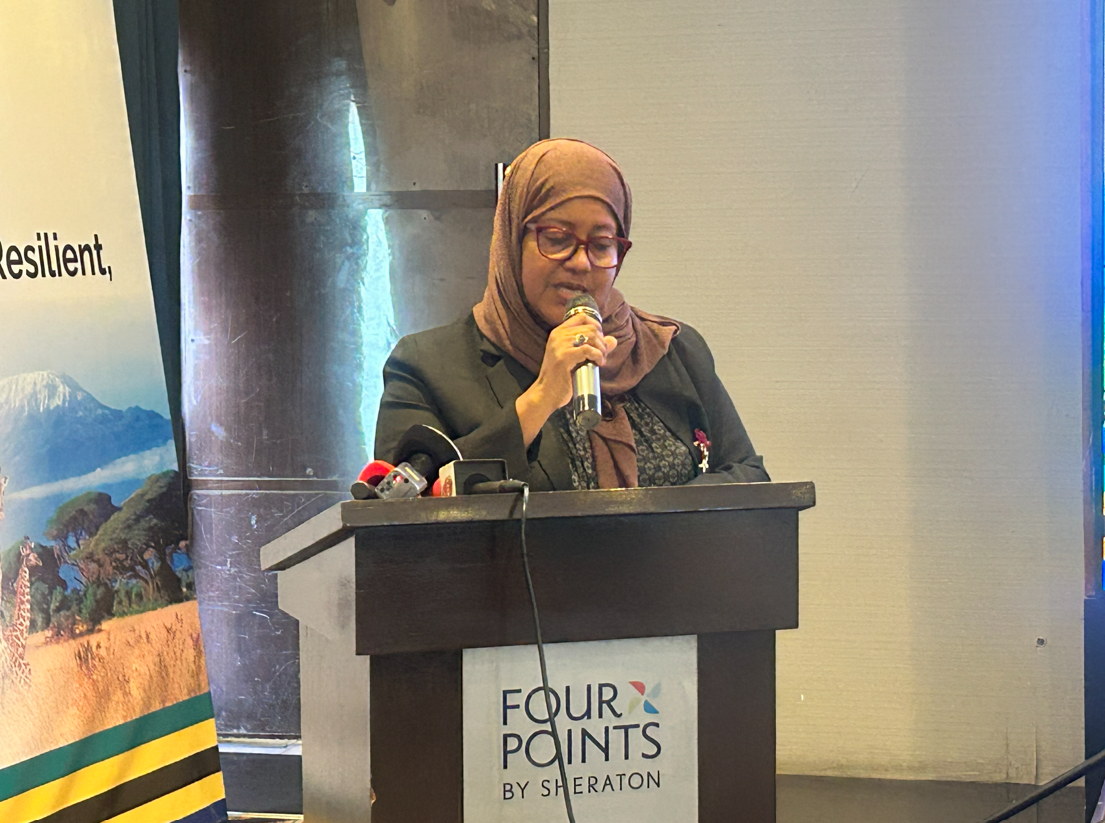
Deputy Permanent Secretary responsible for Union Affairs in the Prime Minister’s Office, Latifa Mohammed Khamis, speaks during a national workshop to prepare for the 31st Conference of the Parties to the United Nations Framework Convention on Climate Change (COP31), held in Dar es Salaam in October 2026. The workshop focused on defining Tanzania’s priorities ahead of the conference, scheduled to take place in Antalya, Türkiye, from November 9 to 20, 2026.
By Habitat Media Reporter
Dar es Salaam. Tanzania will push for stronger climate resilience, increased climate finance and improved access to technology at the upcoming United Nations climate summit, as it seeks to align international climate commitments with its Development Vision 2050.
The country has identified four priorities for the 31st Conference of the Parties to the United Nations Framework Convention on Climate Change (COP31), scheduled for November 9–20, 2026, in Antalya, Türkiye.
The priorities are climate resilience, access to climate finance, institutional capacity and technology transfer, and addressing climate-related loss and damage.
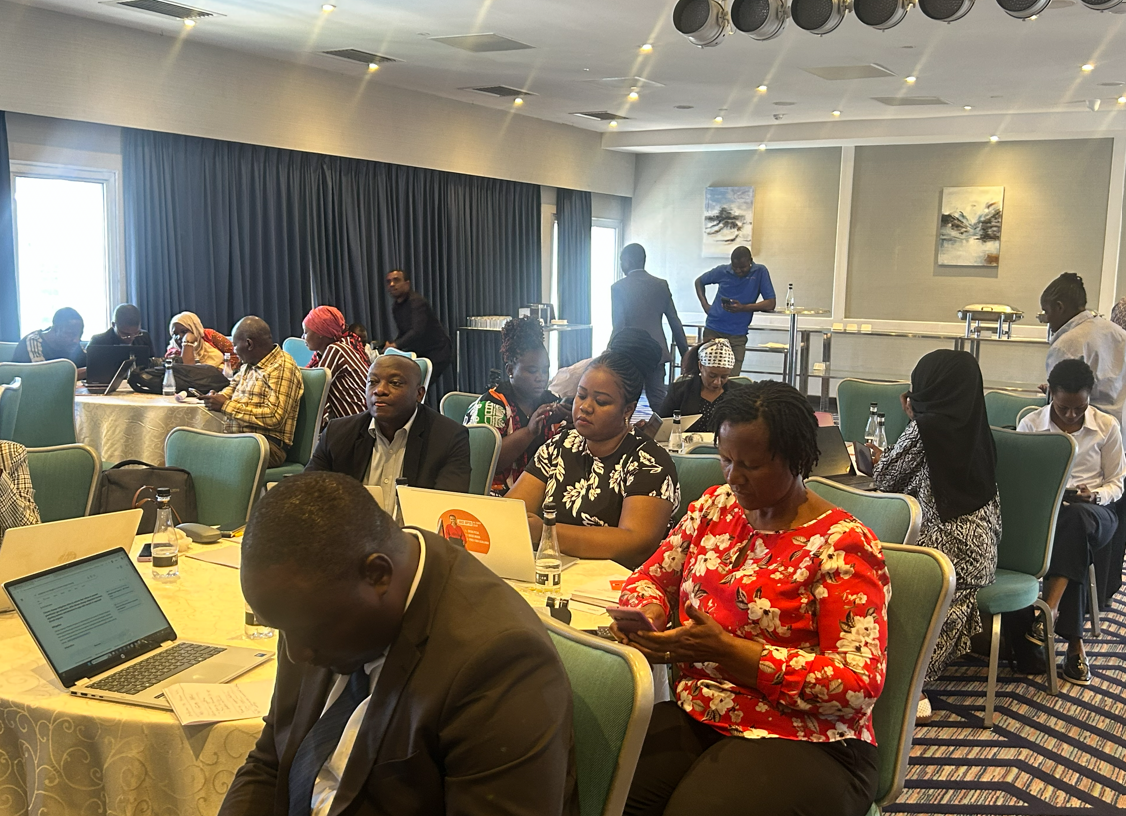
Speaking during a technical workshop and national high-level meeting to prepare for COP31, the Director of Environment in the Vice-President’s Office, Kemilembe Mutasa, said Tanzania would use the summit to advance an inclusive climate agenda that supports its long-term development ambitions.
“Tanzania’s Inclusive Climate Action for Dira 2050: Building a Resilient, Green and Prosperous Nation” is the theme the country has adopted for its engagement, she said.
Ms Mutasa said the preparations would help Tanzania establish strategic partnerships, strengthen bilateral cooperation and participate in high-level side events to advance its national interests.
Clean cooking energy is among the issues Tanzania intends to promote at COP31, with a particular focus on encouraging institutions serving more than 100 people to transition to cleaner cooking solutions.
She described the initiative as an important area of focus, given the need to accelerate the shift away from polluting fuels while advancing the country’s climate commitments.
Climate action must protect nature
The International Union for Conservation of Nature (IUCN) Regional Ocean Communications Officer, Ghaamid Abdulbasat Hatibu, called for climate action to be integrated with nature conservation and biodiversity protection.
“Climate and nature are one; they must be addressed together,” he said, emphasising the need to place communities at the centre of conservation initiatives.
Mr Hatibu highlighted the importance of recognising areas conserved by communities and restoring degraded ecosystems, particularly along the coast.
He said Tanzania had restored more than 110,000 hectares of coastal areas as part of efforts to rehabilitate ecosystems. The figure and the specific areas covered should be confirmed with the relevant authorities.
His remarks underscored the importance of ensuring that climate interventions deliver benefits for both communities and the ecosystems on which their livelihoods depend.
Tanzania builds on COP30 experience
Speaking on behalf of the Prime Minister’s Office, Deputy Permanent Secretary responsible for Union Affairs Latifa Mohammed Khamis said the preparations offered an opportunity to establish clear policy and strategic positions ahead of COP31.
“Our participation must protect and advance the national interest,” she said, highlighting the importance of coordinated preparations and effective engagement in international negotiations.
Ms Khamis said Tanzania’s role as chair of the African Group of Negotiators (AGN) during COP30 had strengthened the country’s visibility in global climate diplomacy.
She cited the establishment of a youth learning centre, the development of a book documenting the history of the AGN and the establishment of a Santiago Network centre in Tanzania among the achievements associated with the country’s climate engagement. The official status of the Santiago Network facility should be verified before publication.
She also pointed to climate-related projects supported through international partnerships, including initiatives to strengthen ecosystem resilience, address drought in central Tanzania and improve management of the Usangu Basin.
In the energy sector, she said Tanzania had continued collaborating with Norway and the Tanzania Traditional Energy Development Organisation (TaTEDO) to mobilise support for clean energy initiatives.
The government has also submitted a proposal seeking $15 million to support efforts to address and monitor climate-related loss and damage.
Additionally, Tanzania has requested technical assistance through the Santiago Network to conduct an assessment of climate-related needs.
Diplomacy must deliver for citizens
Deputy Permanent Secretary in the Ministry of Foreign Affairs and East African Cooperation, Ambassador Said Shaib Mussa, said Tanzania’s climate diplomacy should reflect its foreign policy priorities, international cooperation and the objectives of Development Vision 2050.
He stressed the importance of patriotism, commitment and collaboration among stakeholders involved in preparing the country’s position.
“Our engagement must remain people-centred, with development focused on the needs of our citizens,” he said, emphasising that climate negotiations should ultimately deliver tangible benefits for Tanzanians.
As Tanzania prepares for COP31, the key test will be whether its priorities translate into concrete commitments on climate finance, technology transfer and implementation.