


By Habitat Media Reporter
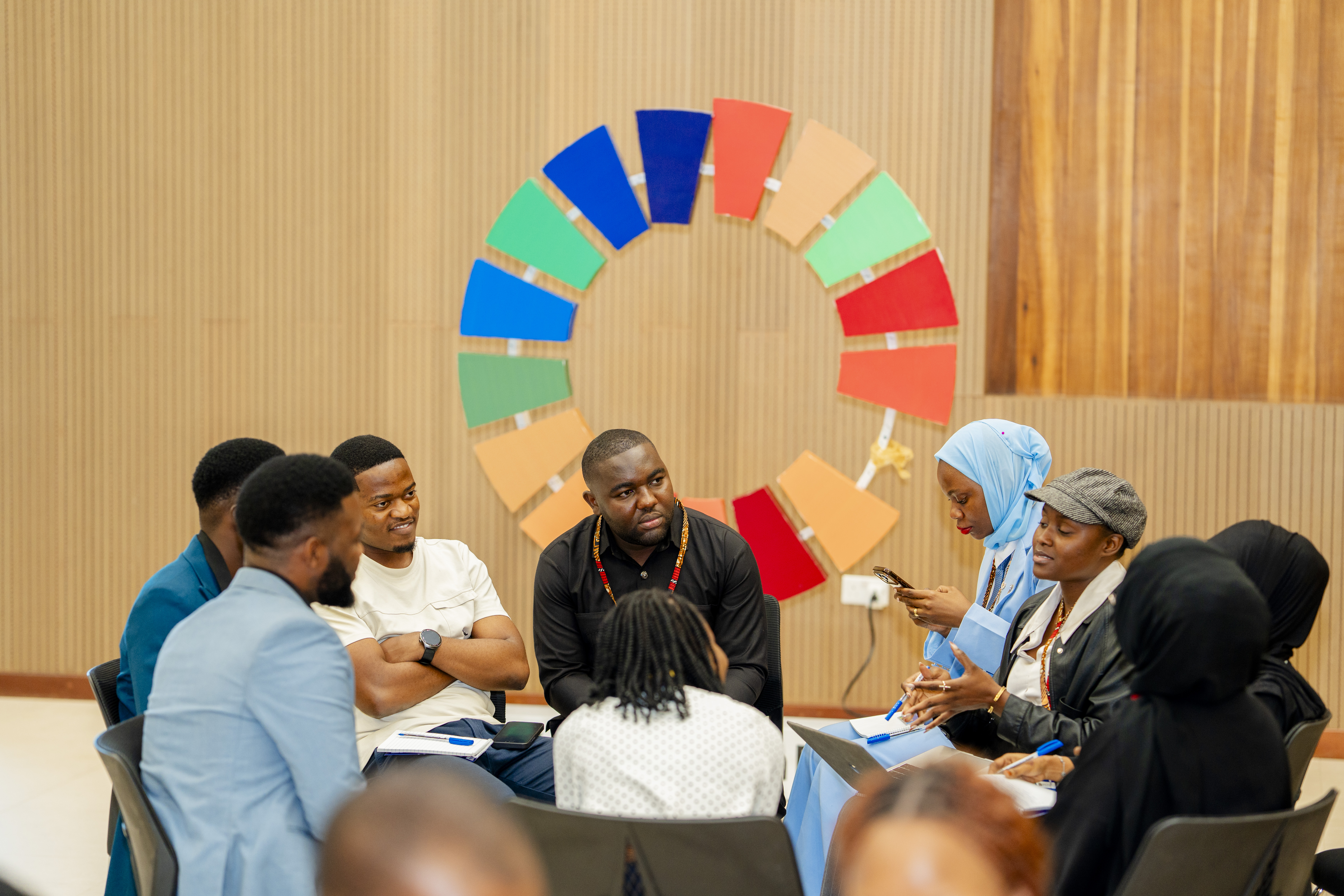
Dar es Salaam. More than Sixty young people from at least 17 African countries have adopted a declaration calling for greater youth influence in global climate negotiations, as the continent seeks a stronger voice in decisions shaping its climate future.
The declaration marks a shift from participation to influence, urging young Africans to move beyond attending international conferences to actively shaping climate policies, financing decisions and development priorities.
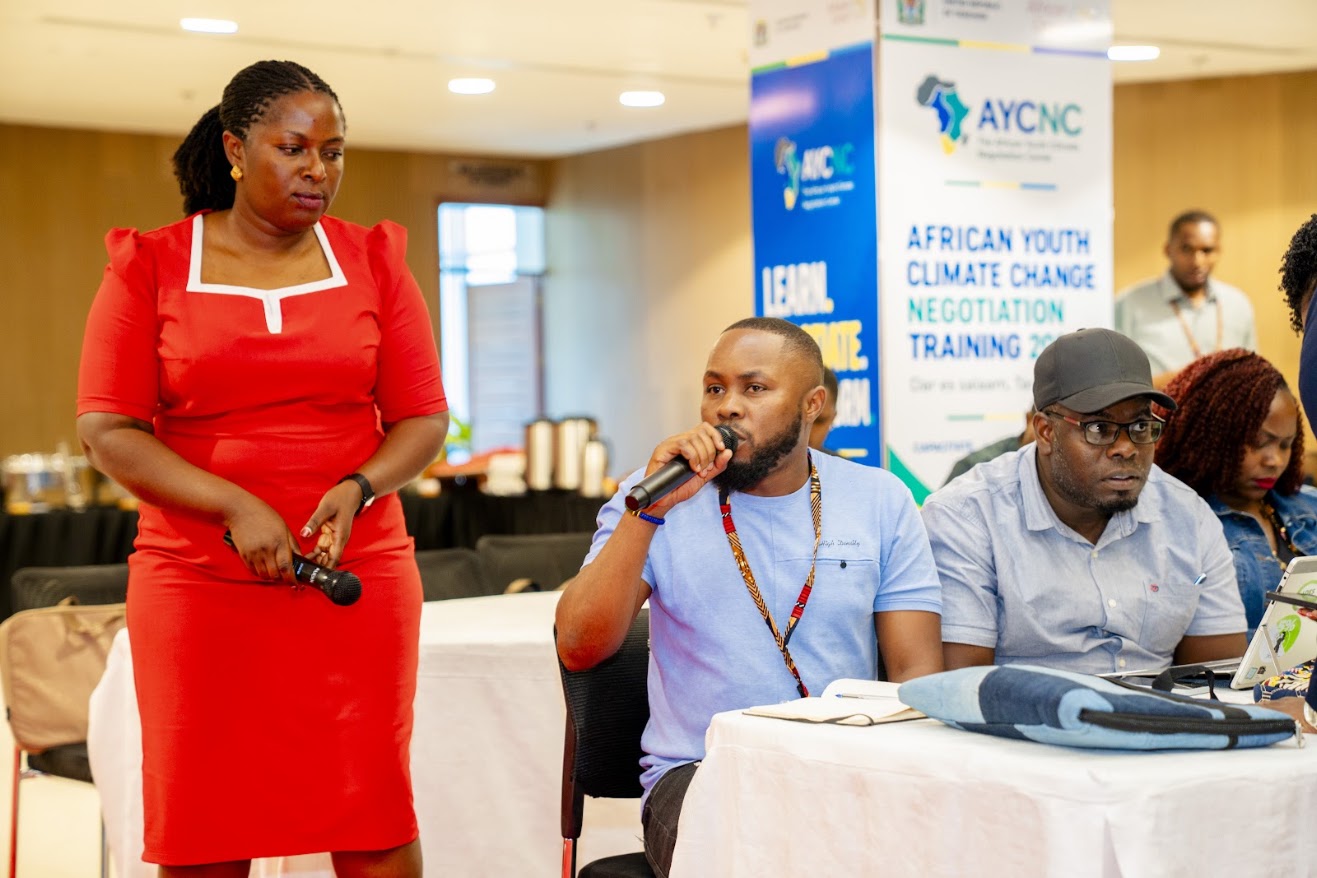
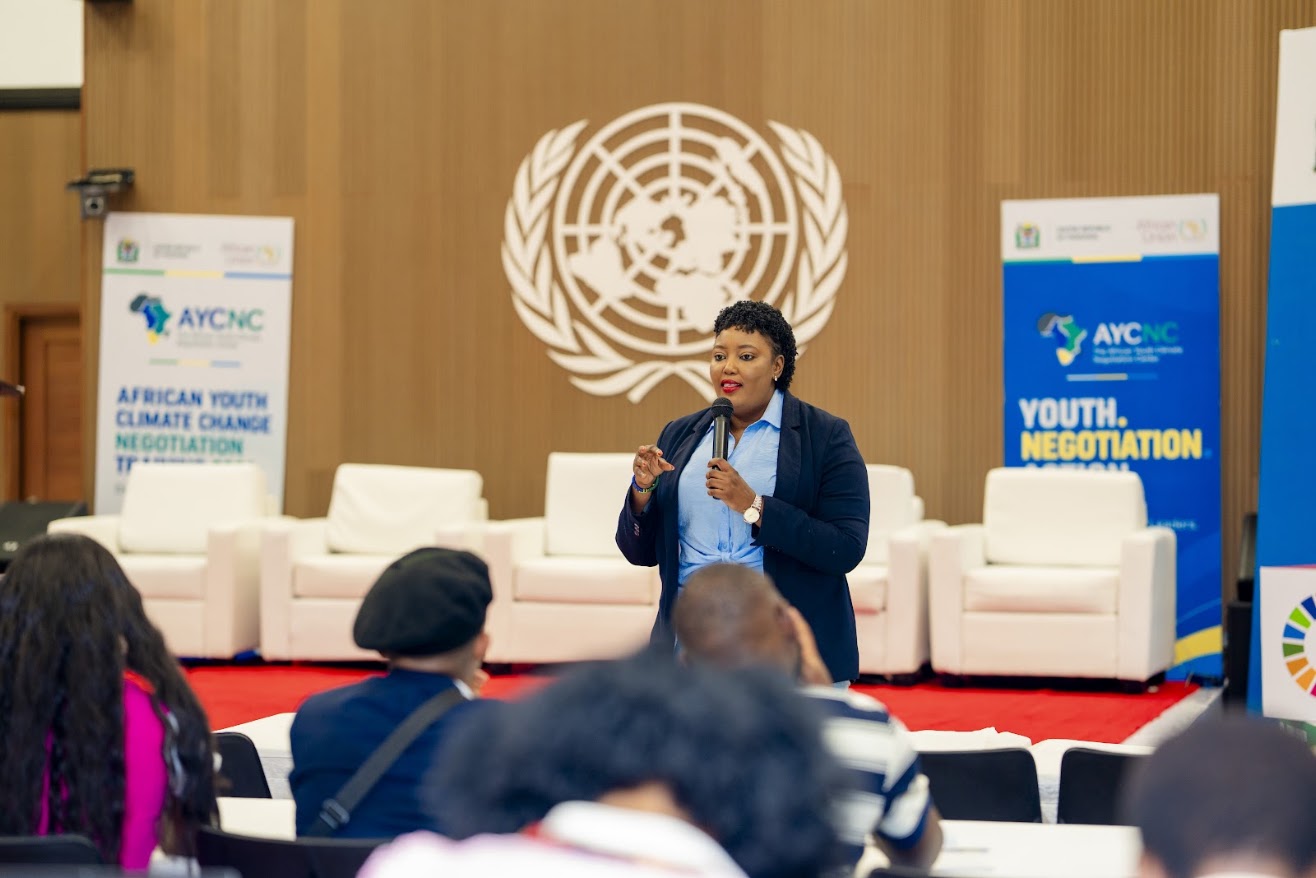
Titled the Dar es Salaam Declaration on African Youth Climate Change Negotiations, the document was adopted following an inaugural training programme launched in Tanzania on October 20, 2026, to strengthen young Africans’ capacity to engage in international climate negotiations.
Its central theme is clear: “From Participation to Influence: Empowering African Youth to Shape Climate Negotiations, Climate Justice and Sustainable Development.”
The initiative seeks to equip young people with the knowledge, negotiation skills and networks needed to represent African interests effectively in global climate decision-making.
Speaking at the programme’s graduation ceremony, Dr Abbas Salum Kitogo, a Practice Specialist in Energy, Climate Change and Disaster Risk Reduction at the United Nations Development Programme (UNDP) Tanzania, said the ultimate goal was to translate knowledge gained through the training into practical action.
He outlined four key outcomes: ensuring young people are informed and prepared to understand climate priorities; enabling them to communicate strategically and influence decisions; building partnerships and professional networks; and translating knowledge into action that improves people’s lives.
“Knowledge and action must go hand in hand to change people’s lives. We also need determination, mentorship and knowledge-sharing among young people,” he said.
Dr Kitogo said 45 of the 61 participants were Tanzanians drawn from both Mainland Tanzania and Zanzibar. He explained that the participants had been selected on merit, particularly in recognition of their commitment to climate change issues and previous engagement in related initiatives.
The programme comes at a time when African countries are seeking stronger representation in international climate negotiations, particularly on issues of climate finance, justice and the transition to sustainable energy systems.
For young Africans, the challenge is not only to understand these negotiations but also to influence decisions that will shape their livelihoods and the continent’s long-term development.
Bestina Gunje, a youth development officer at the Ministry responsible for youth affairs, said the training was intended to promote purposeful and meaningful participation by young people in climate policy processes.
She highlighted the importance of issues such as a just transition and carbon trading, stressing that commitments made at international climate conferences must translate into tangible action.
“Tanzania, like other countries, is experiencing the effects of climate change. The ministry recognises the importance of young people participating in these critical discussions so that they can articulate the interests of the country and Africa as a whole,” she said.
The declaration also seeks to address structural barriers that limit young Africans’ participation in climate decision-making, including access to resources and the capacity to engage effectively in international forums.
Sarah Pima, Executive Director of the Human Dignity and Environmental Care Foundation (HUDEFO) and one of the programme’s coordinators, said increasing African youth representation in international climate discussions was among the initiative’s key objectives.
She said participants had identified priorities for action, including establishing a dedicated funding mechanism to support African youth engagement in climate processes and addressing emerging issues such as critical minerals and carbon trading.
A dedicated youth climate fund, she added, would help young Africans participate more meaningfully in negotiations and related initiatives, rather than remaining on the sidelines because of limited resources.
For participants, the question of who shapes climate priorities is closely linked to who finances and implements climate interventions across the continent.
Deon Shekuza, a participant from Namibia who spoke on behalf of fellow trainees, said youth engagement was essential to the implementation of Africa’s long-term development ambitions, including Agenda 2063.
He argued that young people deserved a greater role in shaping development priorities because they would live with the consequences of decisions made today.
“Our participation is important for Africa’s benefit. Many of the people providing funding are not Africans, so when projects are implemented, we must ask whose agenda we are serving,” he said.
“This is a good beginning for developing initiatives that directly address our needs.”
His remarks highlighted a broader concern about African ownership of development priorities and the need to ensure that climate projects respond to the continent’s realities and aspirations.
The declaration therefore provides a platform for young people to push for greater influence over climate policies, financing priorities and the implementation of commitments made by governments.
Sabrina Soud, Director of the Thamini Jamii Organisation in Zanzibar and another participant, said she hoped the training would continue beyond the initial programme and help maintain connections among young climate advocates across Africa.
She said sustained collaboration would enable young people to develop a common position and engage governments more effectively on issues affecting their communities.
“We will build together and speak with one voice in supporting our governments and the African continent for the well-being of our communities,” she said.