



By Our Correspondent, Kigali
Tanzania is advancing efforts to develop its carbon market, with six projects reported to have reached the carbon credit generation stage, creating opportunities to mobilise climate finance, support environmental conservation and improve community livelihoods.
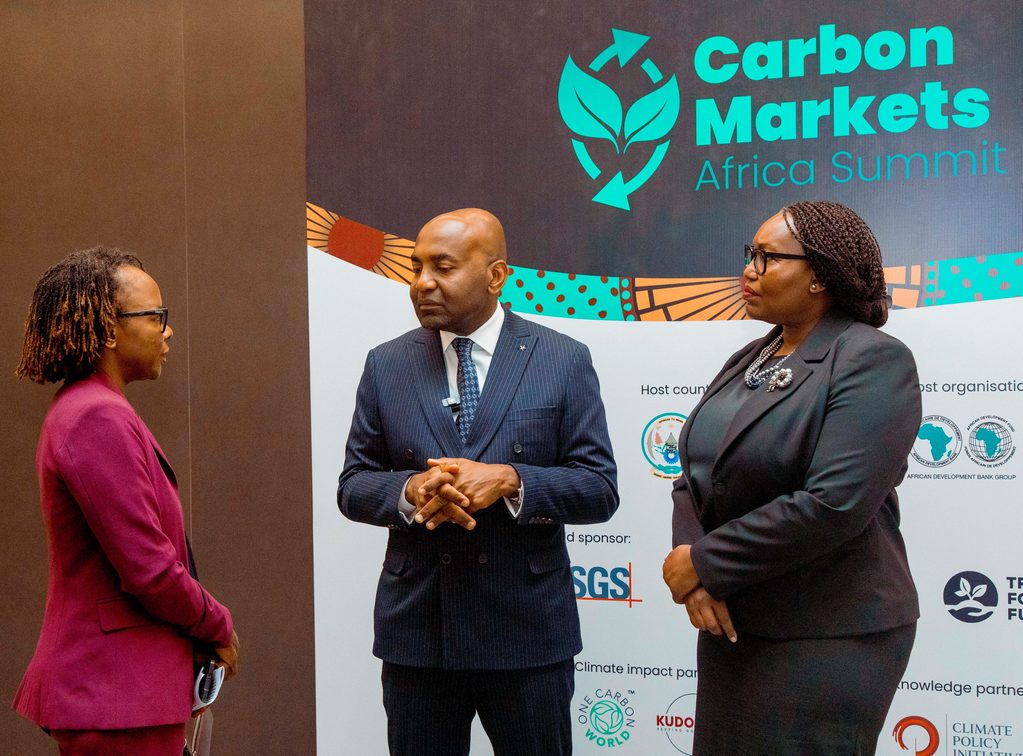
Minister of State in the Vice-President’s Office (Union and Environment), Eng Hamad Yussuf Masauni, announced the progress on 14 October 2026 during the opening of the 2026 Africa Carbon Markets Conference in Kigali, Rwanda.
The conference brought together government officials, investors, carbon credit buyers, project developers and development finance institutions to discuss ways of strengthening Africa’s participation in carbon markets.
Masauni said Tanzania was working to establish a carbon market underpinned by effective regulation, transparency and integrity, with the aim of supporting climate change mitigation and sustainable development.
He explained that, at the latest meeting of the National Carbon Project Assessment Committee, four mature projects involving clean cooking energy and social benefits had been approved, advancing their progress towards generating verifiable carbon credits.
“The government has continued to strengthen the policy and institutional frameworks governing carbon trading to ensure that projects deliver positive environmental outcomes and tangible benefits to citizens,” Masauni said.
He added that amendments to the Environmental Management Act in 2025 had established the National Carbon Monitoring Centre (NCMC), which is responsible for registering projects, overseeing the measurement and verification of results, and preventing the double counting of carbon market outcomes.
Carbon finance offers opportunities for climate action
Carbon markets can provide an additional source of financing for projects that reduce greenhouse gas emissions or remove carbon dioxide from the atmosphere. Under these arrangements, eligible projects generate carbon credits representing quantified emissions reductions or removals, subject to applicable standards and verification requirements.
For Tanzania, developing a credible carbon market could help attract investment into climate-related initiatives, including clean cooking, forest conservation and other eligible emissions-reduction projects.
Clean cooking is particularly relevant because traditional cooking methods that rely on wood and charcoal can contribute to forest degradation and greenhouse gas emissions. Expanding access to cleaner cooking technologies can help reduce pressure on forests while delivering health, social and environmental benefits, depending on the technologies used and the outcomes achieved.
However, the climate benefits of carbon projects depend on credible measurement, independent verification, transparent accounting and evidence that the claimed emissions reductions are real.
Masauni urged African countries to strengthen cooperation among governments, investors, project developers, carbon credit buyers and development finance institutions to accelerate projects with measurable environmental benefits.
He stressed the importance of matching high-quality projects with actual market demand, securing long-term financing and strengthening systems for measuring and verifying results.
He also emphasised that communities should benefit from the revenues and opportunities generated by carbon projects, highlighting the need to connect climate action with local economic development.
African countries urged to strengthen their market position
Masauni called on African countries to build technical and institutional capacity in the carbon sector so they could participate more effectively in international markets and contribute to decisions on market rules, standards and future developments.
The call reflects a wider challenge for African countries seeking to attract climate finance while ensuring that carbon projects deliver measurable benefits locally.
Strong regulatory oversight and transparent benefit-sharing arrangements are important for protecting communities, strengthening investor confidence and ensuring that carbon trading contributes to long-term environmental objectives.
National Carbon Monitoring Centre Chief Executive Officer Kathryn Kigaraba described the conference as an important platform for bringing together carbon market stakeholders to discuss ways to improve the investment environment, accelerate project implementation and build a credible market that benefits communities.
National Environment Management Council (NEMC) Director General Dr. Immaculate Semesi said the council would continue working closely with the NCMC to oversee and facilitate carbon projects, ensuring they protect the environment and benefit citizens. As Tanzania advances its carbon market framework, the focus will be on turning projects into independently verified emissions reductions, attracting reliable investment and ensuring that climate finance produces tangible benefits for ecosystems and the communities that depend on them.