



Minister of State in the Vice President’s Office, Hamad Yussuf Masauni called for COP12 decisions to be evidence-based, practical and capable of delivering tangible benefits to coastal communities. He urged stronger action on marine pollution, climate change and sustainable ocean-resource use, while emphasising the inclusion of women, youth and communities, improved access to data, joint planning and deeper regional cooperation.
By Habitat Media Reporter
Dar es Salaam. Four decades after countries around the Western Indian Ocean came together to protect their shared marine and coastal environment, Tanzania has challenged the Nairobi Convention to turn years of regional cooperation into concrete action that delivers measurable benefits to communities.
The call came as the 12th Conference of Parties to the Nairobi Convention (COP12) opened in Dar es Salaam on Tuesday, bringing together representatives from the 10 contracting parties, development partners, scientists and other stakeholders to review progress and chart the future of marine and coastal conservation.
The meeting is being held as the Nairobi Convention marks 40 years of regional cooperation, with Tanzania saying the anniversary should not only celebrate past achievements but also provide an opportunity to assess whether the Convention is adequately responding to growing pressures on the Western Indian Ocean.
Minister of State in the Vice President’s Office, Hamad Yussuf Masauni, said decisions from the meeting must be based on credible evidence, supported by realistic implementation plans and designed to produce visible results for people living along the coast.
“We expect a true and accurate assessment of the state of the marine and coastal environment, and also to ensure that the decisions of the meeting have clear objectives and realistic implementation plans,” Mr Masauni said.
He said marine pollution, climate change and the sustainable use of ocean resources could no longer be addressed separately, calling for a more integrated approach involving governments, communities, women and young people.
The minister also called for stronger regional cooperation through better access to data, joint planning and sustained collaboration among countries sharing the Western Indian Ocean.
“Let us have high expectations, involve everyone and look ahead in our efforts,” he said, stressing that decisions taken at COP12 should translate into tangible improvements in marine ecosystems, coastal areas and the livelihoods of communities.
The stakes are significant.
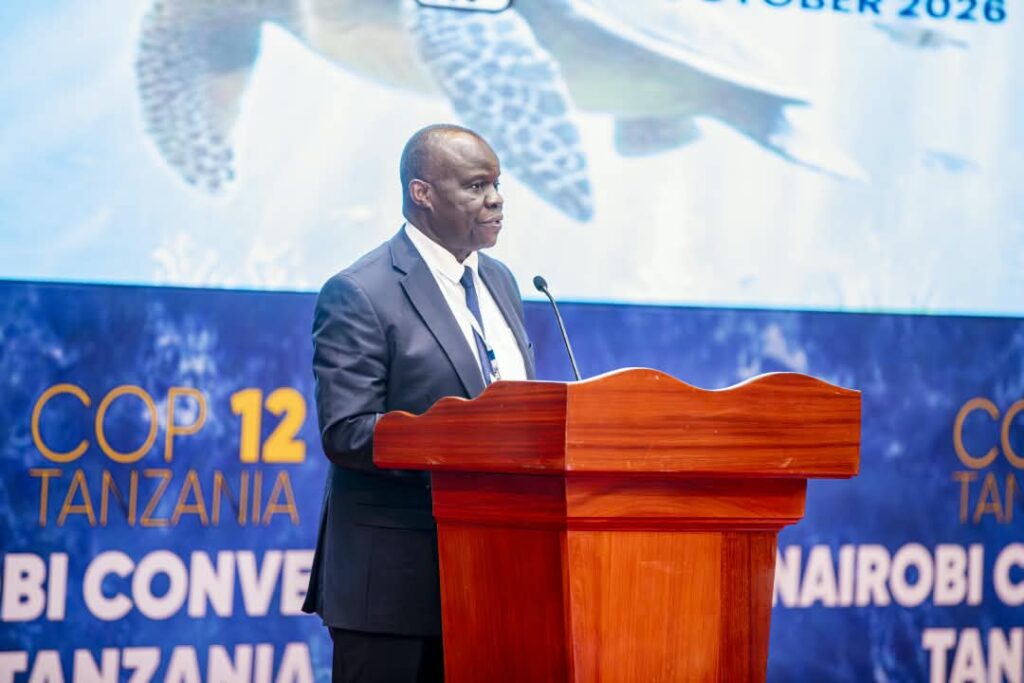
According to Permanent Secretary in the Vice President’s Office Dr Richard Muyungi, more than 60 million people live along the Western Indian Ocean coastline, with the region’s ocean assets estimated at $333.8 billion and generating about $20.8 billion in annual economic output.
The region supports more than 2,200 fish species, about 300 species of hard coral, 10 mangrove species, 12 seagrass species and around 1,000 species of seaweed.
It also contains about one million hectares of mangroves, representing roughly five per cent of the world’s total, with the Rufiji Delta in Tanzania hosting some of the best-developed mangrove systems.
Dr Muyungi said the dependence of communities on marine resources makes effective implementation of regional environmental commitments a development issue rather than merely a conservation concern.
In Tanzania, the five mainland coastal regions of Dar es Salaam, Pwani, Tanga, Lindi and Mtwara are home to about 12.9 million people, roughly one in every five Tanzanians.
Fisheries and aquaculture contribute 1.8 per cent of GDP on the Mainland and 4.8 per cent in Zanzibar. The sector directly employs about 400,000 fishers and supports more than 4.5 million people indirectly.
Fish also accounts for about 30 per cent of animal protein consumed on the Mainland and about 90 per cent in Zanzibar.
“These figures show what is at stake. They also show why the work of this Convention matters to every community along our shores,” Dr Muyungi said.

United Nations Deputy Secretary-General and UNEP Deputy Executive Director Elizabeth Mrema said the Convention’s 40-year history had established an important foundation for using science to guide decisions on the marine and coastal environment.
She said cooperation among member states had been strengthened through coastal assessments, national implementation plans and scientific expert groups, enabling regional decisions to increasingly draw on evidence.
But Ms Mrema said the next phase should focus more strongly on implementation.
“It is essential that we continue to translate regional cooperation into concrete action,” she said, calling for greater investment in innovative ocean-financing mechanisms and stronger participation by young people, civil society, the private sector and scientists.
Zanzibar’s Minister of State in the Office of the Second Vice President, Hamza Hassan Juma, said the 40th anniversary should serve as a starting point for deeper cooperation in the decades ahead.
He said Tanzania and Zanzibar had a valuable marine and coastal heritage that provided significant economic and social opportunities, making protection and sustainable use of these resources essential for the wellbeing of citizens.
The technical meeting, according to Mr Muyungi, will review implementation, consider the experiences of member states and partners and examine draft decisions before they are presented to ministers and heads of delegation.
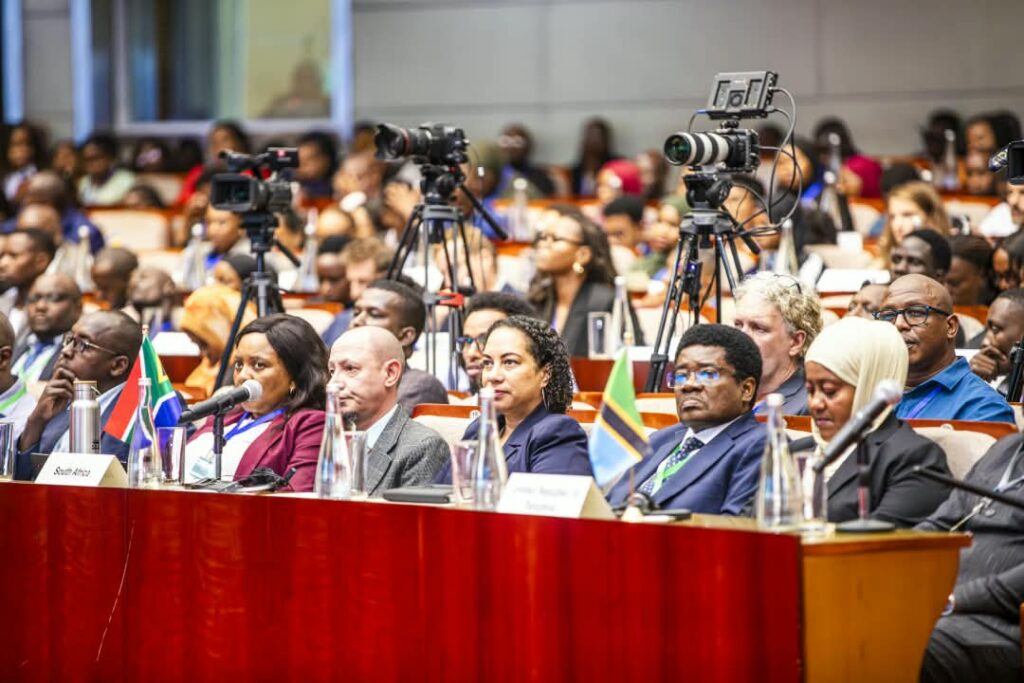
For Tanzania, the central question at COP12 is therefore not only what countries agree to, but whether those agreements can be translated into action capable of protecting the Western Indian Ocean while sustaining the livelihoods and economic opportunities it provides.