


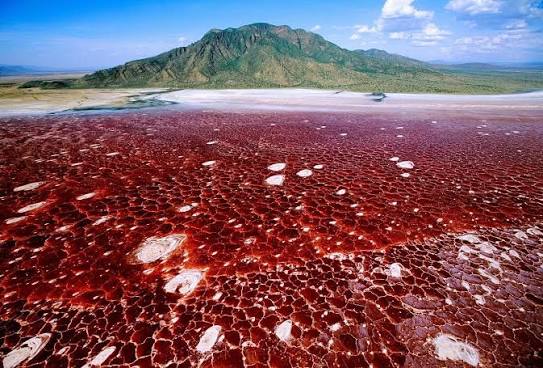
The government has assured Lake Natron residents that no one will lose their land to the proposed soda ash project, easing community concerns. While the investment promises jobs and improved social services, questions remain over environmental protection, community participation and safeguarding the lake’s internationally important lesser flamingo breeding habitats.
By Habitat Media Reporter
Longido. The government has assured communities around Lake Natron in Longido District, Arusha Region, that no resident will be displaced or have their land taken for the proposed soda ash project, seeking to ease concerns over land rights and the environmental implications of the investment.
The assurance comes as residents of villages earmarked for the project seek clarity on its boundaries, the protection of their land and the benefits they stand to gain from the proposed mineral extraction activities.
Speaking to residents on October 11, 2026, Permanent Secretary in the Vice-President’s Office Richard Muyungi said the area allocated for the project covered 150 acres and stressed that no one would be forced to leave their land.
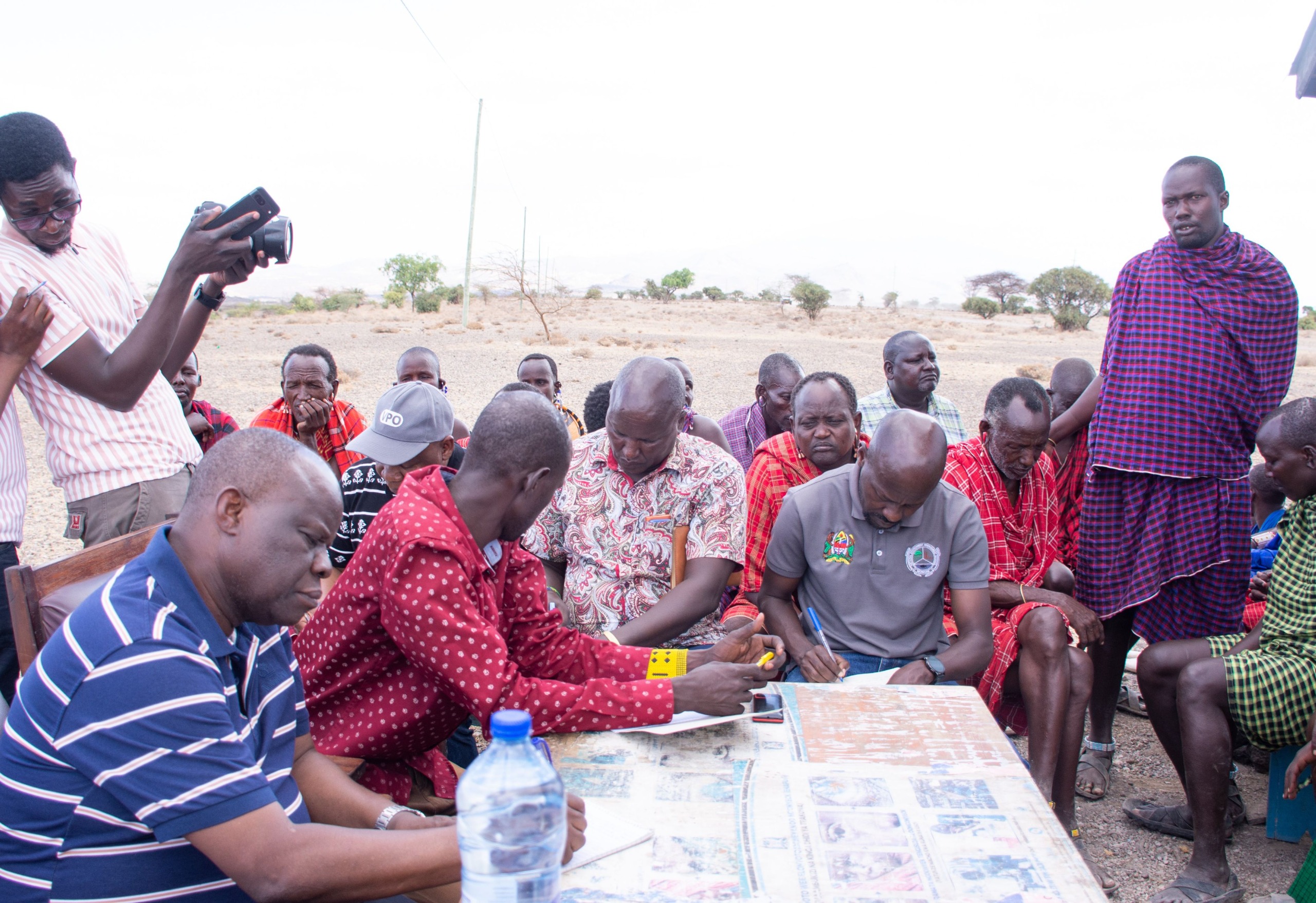
He said his visit aimed to assess the situation on the ground and gather residents’ views, recommendations and concerns before his office took further steps towards authorising the project.
The proposed investment is expected to create employment opportunities and improve access to social services, including water, education, healthcare and roads. Other anticipated benefits include the construction of livestock dips and watering facilities.
However, beyond the promised economic gains, the project has raised questions about how investment can proceed without compromising community land rights, local livelihoods and the ecological integrity of Lake Natron.
The lake is internationally recognised as an important breeding ground for lesser flamingos, making the protection of its habitats and ecological systems a key consideration in any development around the area.
Mr Muyungi said the project would use only four per cent of the lake’s stated area, leaving the remaining 96 per cent available for other social and economic activities.
Nevertheless, the project’s environmental sustainability will depend on adequate assessment of potential impacts, effective safeguards and transparent communication with communities before implementation begins.
Jilailai Ward councillor Simon Waiteswi said the government’s clarification had eased residents’ fears, particularly concerns that they could lose their land.
He said residents of Wosiwosi, Alaililai and Ilchang’t Sapukin villages had previously sought more detailed information about the project’s boundaries and expected benefits.
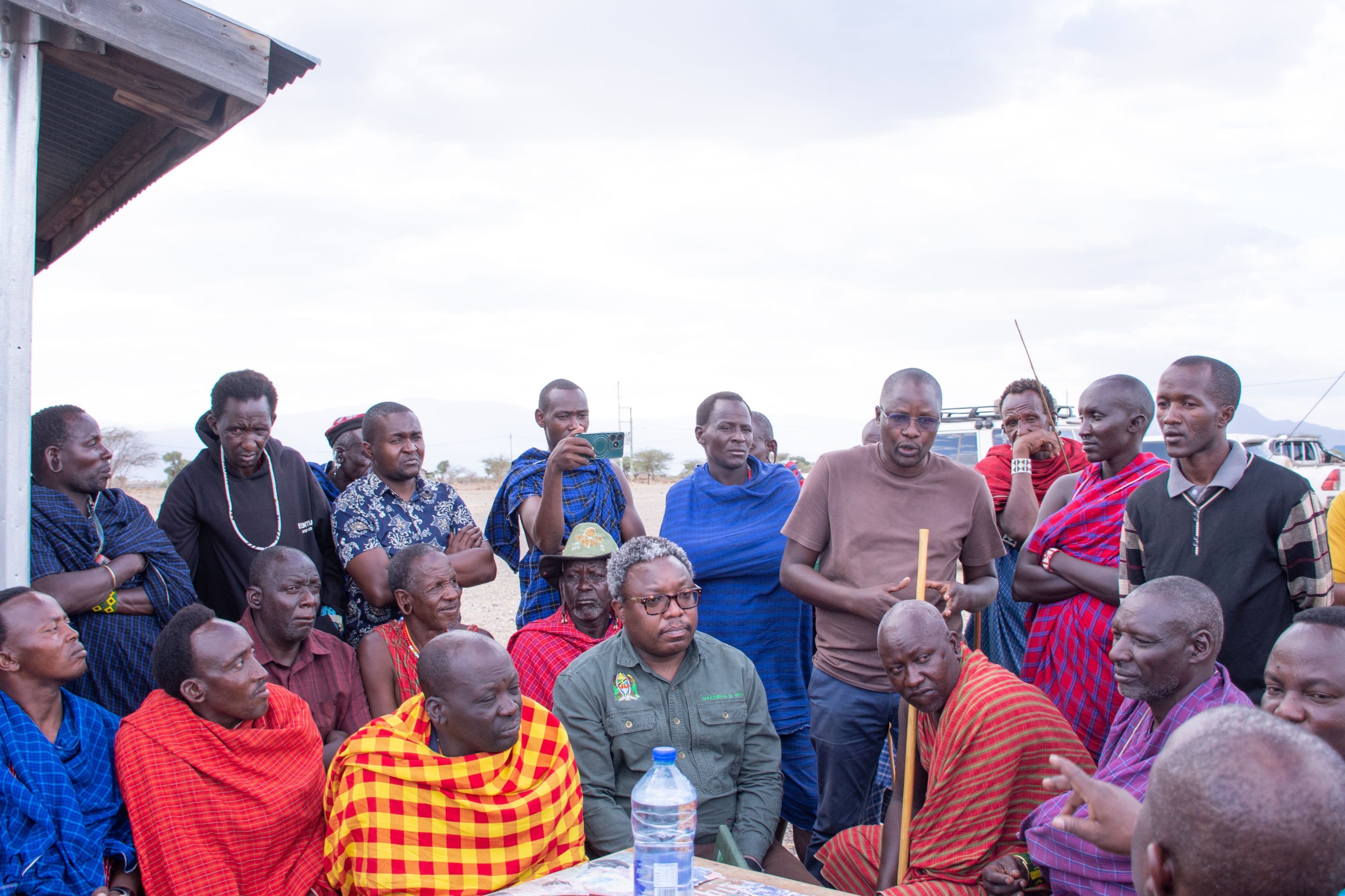
According to Mr Waiteswi, representatives of the investor, Soda Ash Ltd, had met village leaders and residents, but some questions remained unanswered, prompting calls for further government intervention.
“The clarification provided by the Permanent Secretary has eased residents’ concerns, and they are now ready to see the project implemented and work with the investor,” he said.
Soda Ash Ltd representative Yesaya Kaoneka said the company had received recommendations and views from government officials and village leaders and pledged to address the issues raised.
Mr Muyungi urged Longido District Council to work with the investor to ensure residents received adequate information about the project and its anticipated benefits.
For the communities around Lake Natron, the next test will be whether the assurances translate into clear protection of land rights, meaningful public participation and enforceable environmental safeguards.
While the proposed investment promises jobs and improved infrastructure, its long-term success will also depend on protecting the natural resources that sustain local livelihoods and make Lake Natron ecologically significant.