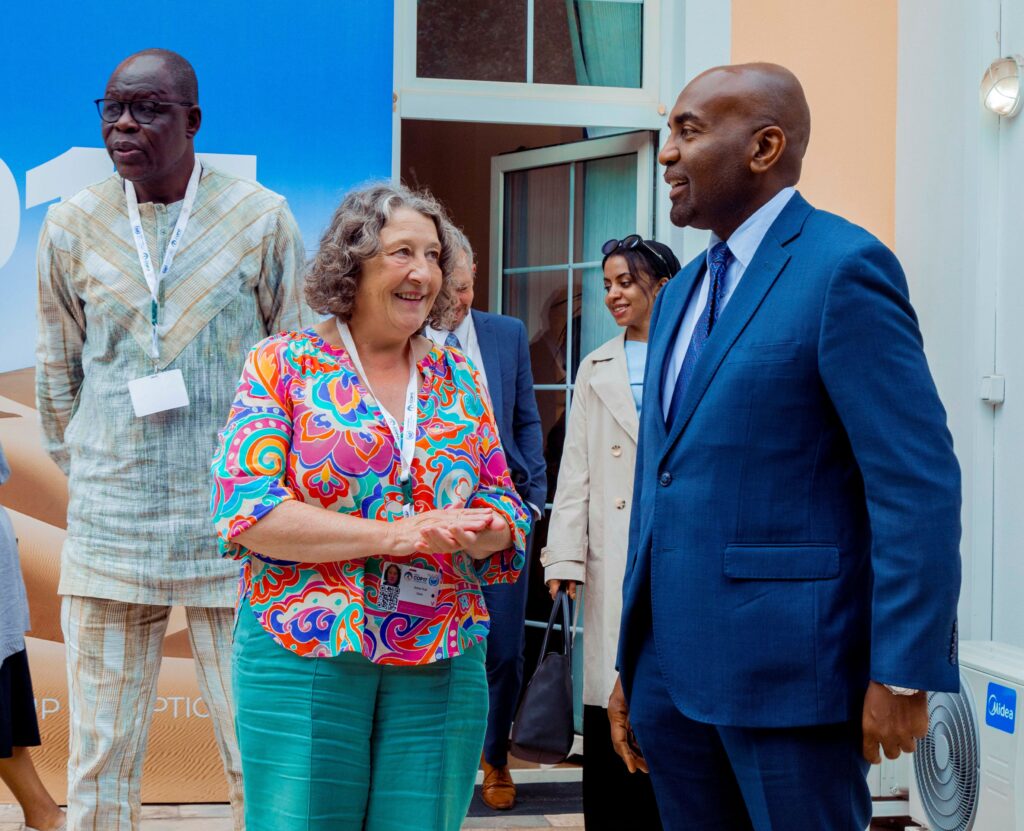


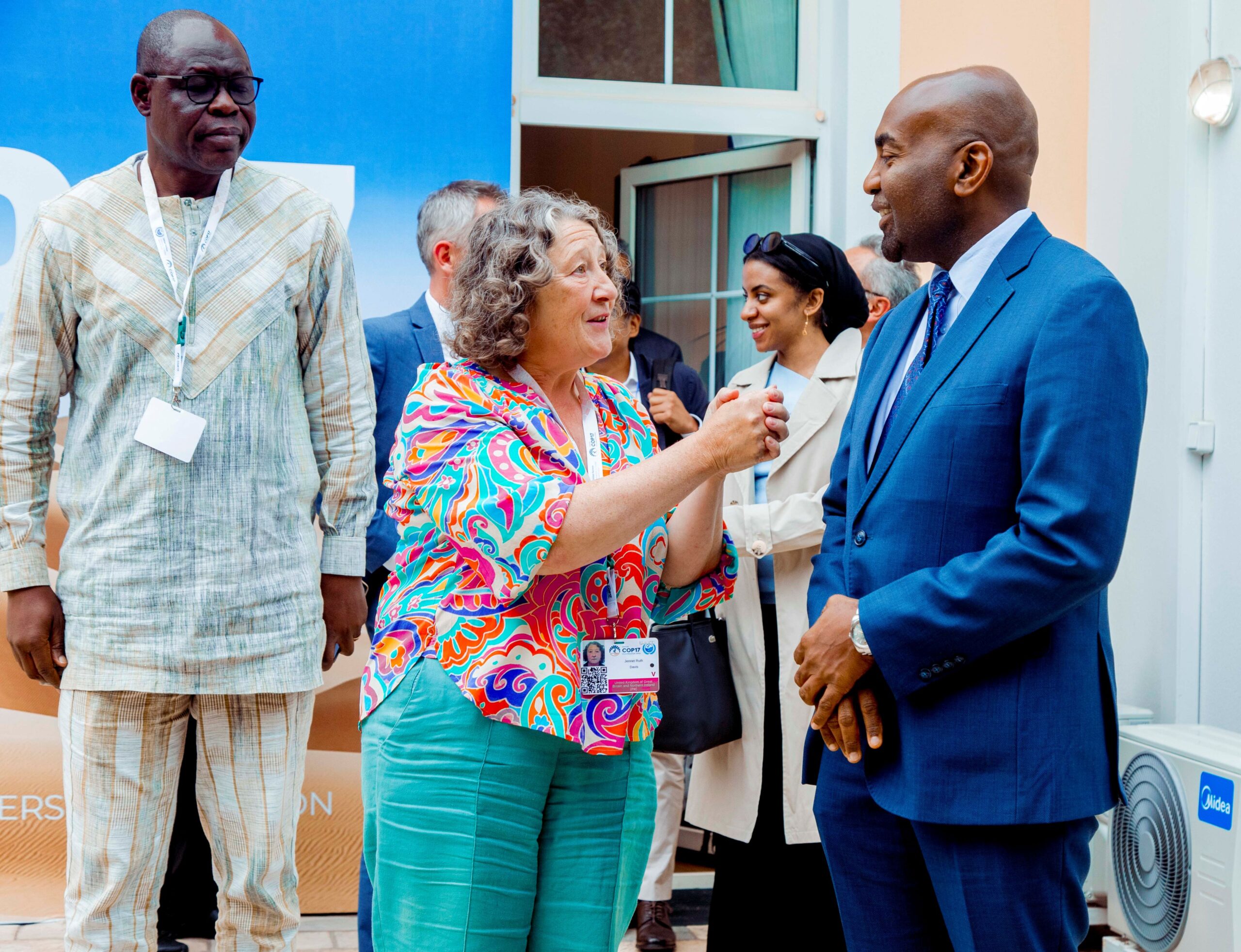
Ulaanbaatar – Mongolia. Tanzania has called for stronger international action on soil health, sustainable land management and responsible fertiliser use as countries grapple with worsening drought, land degradation and climate pressures.
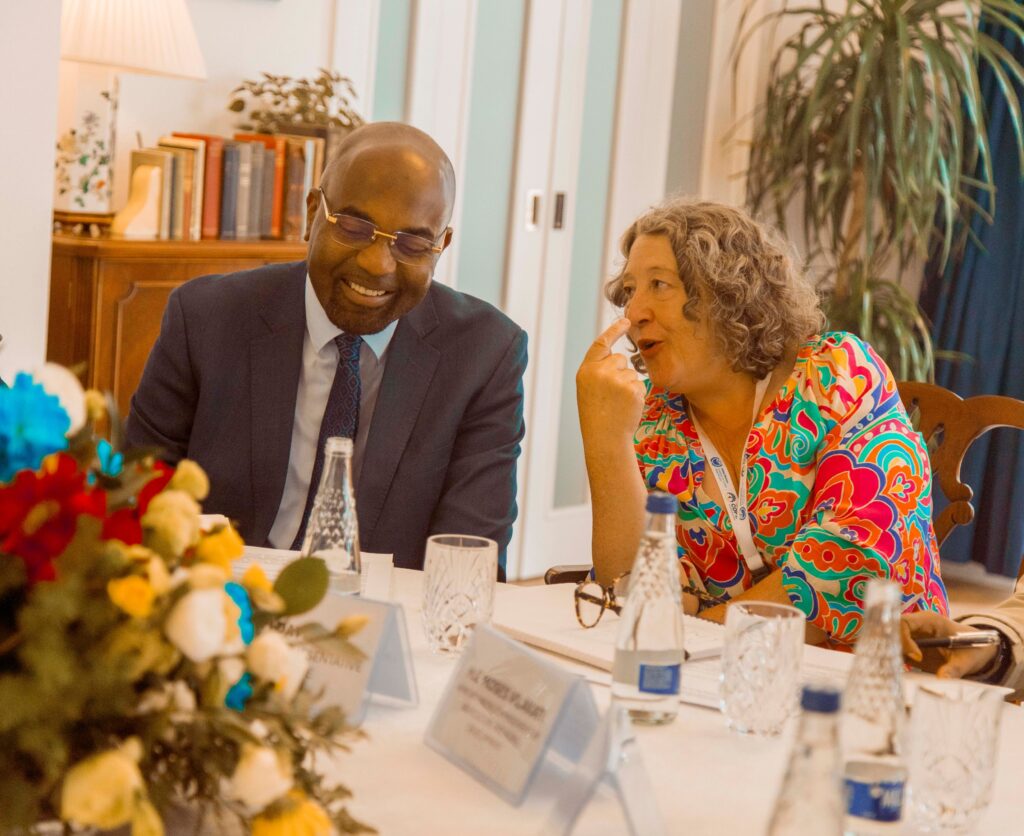
Minister of State in the Vice-President’s Office (Union Affairs and Environment), Eng. Hamad Yussuf Masauni, made the call during a high-level meeting in Ulaanbaatar on August 26, bringing together government officials, development partners and international organisations to discuss efforts to combat desertification and drought.
The meeting, held at the British Embassy in Mongolia, brought together the UK’s Special Representative to Mongolia, Ruth Davis; Food and Agriculture Organisation (FAO) Deputy Director-General Beth Bechdol; African Union Commissioner for Agriculture, Rural Development, Blue Economy and Sustainable Environment Moses Vilakati; and other international representatives.
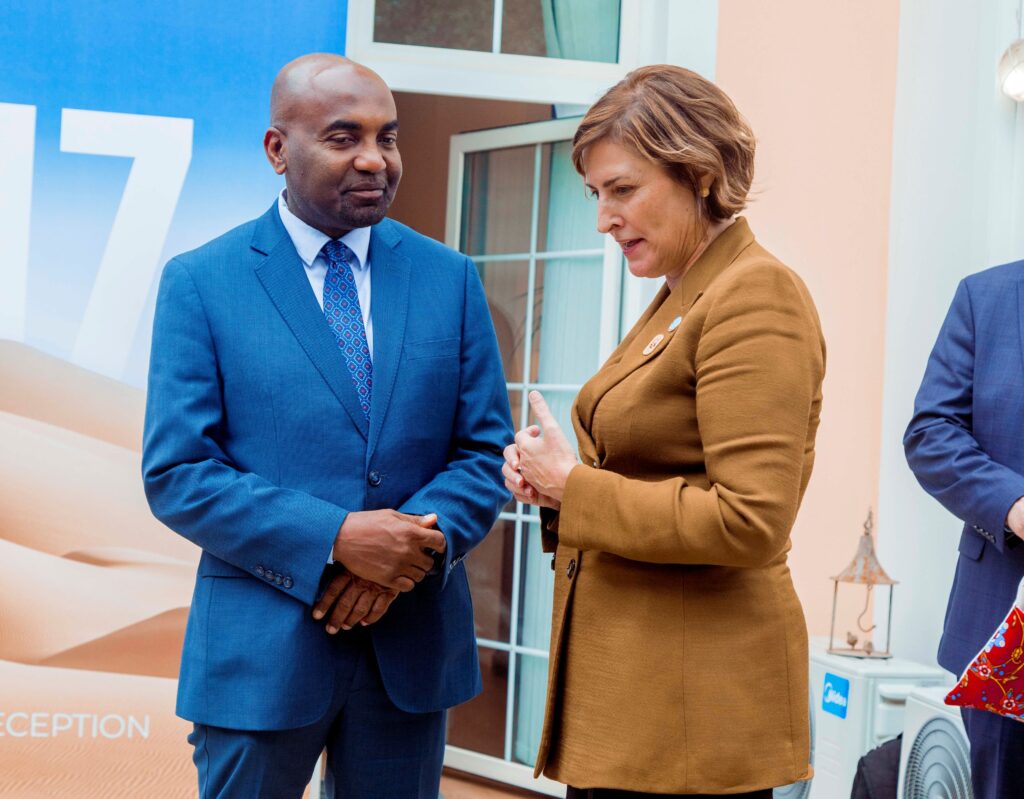
Masauni said Tanzania was stepping up efforts to promote sustainable grazing, participatory land-use planning, restoration of degraded rangelands, improved water infrastructure, drought early-warning systems and more productive livestock systems.
He called for greater climate awareness, development financing and private-sector participation, alongside stronger public-private partnerships, to accelerate rangeland restoration and ensure communities, businesses and governments share responsibility for protecting soil and natural resources.
“Rangelands are critical to Tanzania’s livestock production, food security, biodiversity, water resources and rural livelihoods,” Masauni said.
He said growing population pressure was increasing competition for land, water and other natural resources, making sustainable management increasingly urgent.
According to the 2022/23 Agricultural Sample Census cited by Masauni, Tanzania had about 8.97 million agricultural households, of which 60.6 per cent were engaged in livestock keeping.
The figures underline the economic and social importance of maintaining productive rangelands, particularly for rural communities whose livelihoods depend heavily on livestock.
But Tanzania’s rangelands are facing growing pressure from drought, land degradation, overgrazing, changing land-use patterns, water shortages, deforestation and climate change.
Masauni said Tanzania was responding through its National Programme to Combat Desertification and Drought (2025–2030), which prioritises drought preparedness, early-warning systems and sustainable land management.
The approach also aligns with Tanzania’s National Development Vision 2050, particularly its third pillar on environmental conservation and climate resilience.
The Government sees the restoration and sustainable management of rangelands as closely linked to livestock development, food security and the country’s ability to withstand climate shocks.
The discussions in Mongolia come at a time when governments and development partners are under growing pressure to translate climate commitments into practical investments in degraded landscapes, sustainable agriculture and resilient rural economies.
For Tanzania, the focus on soil and rangeland health is particularly significant as agriculture and livestock remain central to rural livelihoods and food security, while climate variability continues to place pressure on natural resources.
Masauni is in Mongolia attending the 17th Session of the Conference of the Parties to the United Nations Convention to Combat Desertification (UNCCD COP17), which began on August 24, 2026.
The conference provides Tanzania with a platform to push for stronger international partnerships and financing for land restoration, drought resilience and sustainable management of the country’s natural resources.