


By Jenifer Gilla
Dodoma. Tanzania has been given a warning that could save crops, livestock and livelihoods or become another expensive lesson in disaster response.
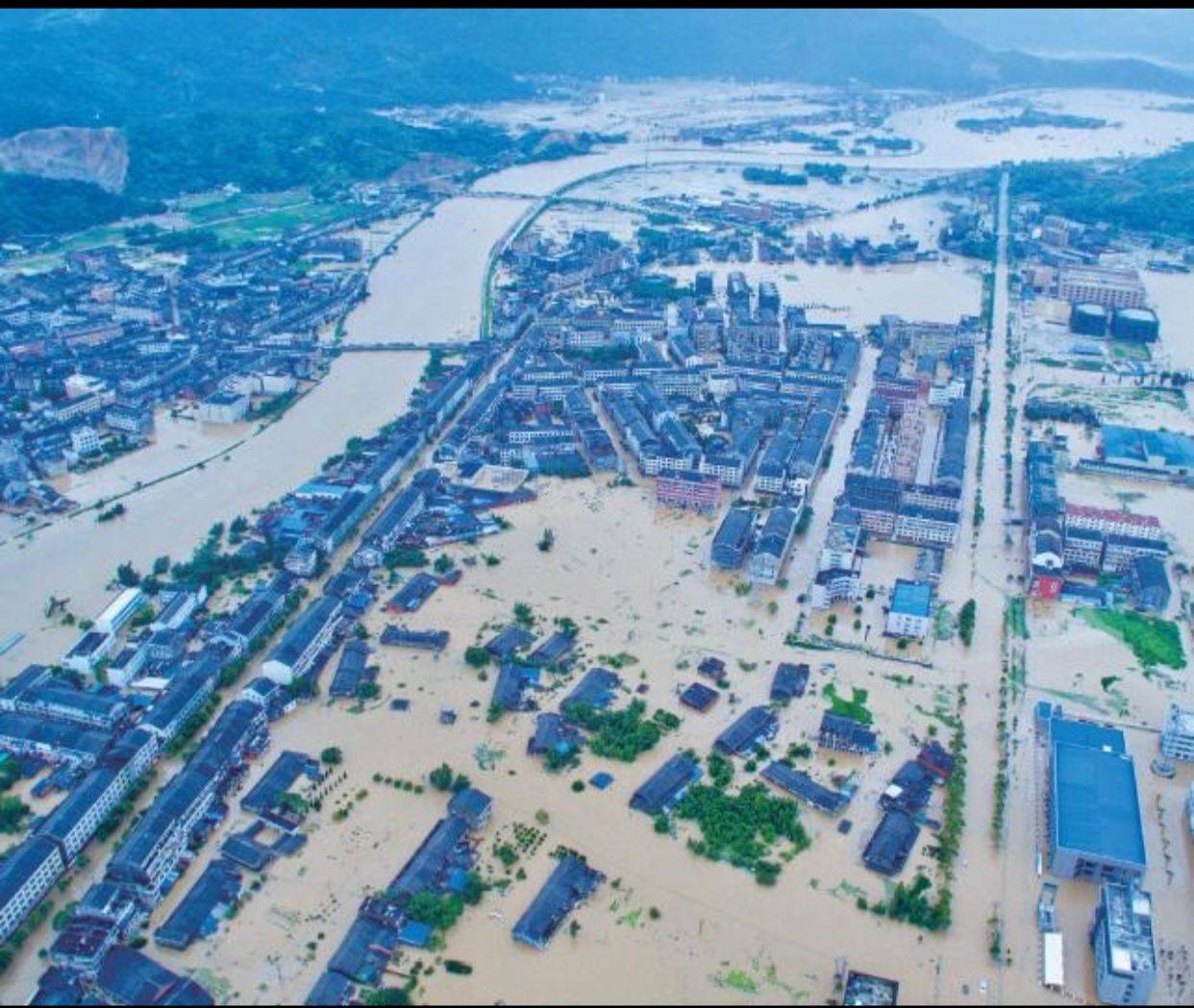
With potentially heavy El Niño-associated rains expected from October, the country is racing against time to protect vulnerable communities, particularly farmers whose livelihoods can be wiped out by a few days of excessive rainfall.
For onion farmer Modesta Daniel in Shinyanga Region, the warning is not an abstract climate prediction.
It is a question of whether the onions she has spent months cultivating will survive long enough to reach the market.
Onions require well-drained soils, meaning prolonged rainfall can leave fields waterlogged, expose crops to diseases and make harvesting difficult. For farmers who have already invested heavily in seeds, fertiliser, labour and other inputs, water accumulating in a field can quickly turn an expected harvest into a financial loss.
That is why Daniel is watching the weather closely.
And so should Tanzania.
The country is preparing for a potentially difficult rainy season after the Tanzania Meteorological Authority (TMA) warned of the possibility of above-normal rainfall associated with El Niño.
The warning comes with a sobering price tag.
The government estimates that it could require Sh730 billion ($280 million) to prepare for, respond to and recover from disasters that could arise from the rains.
But there is a catch: the Sh730 billion is not money sitting in the government coffers waiting to be spent.
Only Sh10 billion has been allocated in the 2026/27 national budget for activities related to implementing the emergency plan.
That gap between the potential cost of the disaster and the resources immediately available raises a difficult question: is Tanzania adequately funded to prevent the losses it already knows could happen?
The real test is prevention
The government has identified 14 regions considered potentially vulnerable to the expected rains: Kagera, Geita, Mwanza, Shinyanga, Simiyu, Kigoma, Dar es Salaam, Tanga, Pwani, Morogoro, Mara, Arusha, Kilimanjaro and Manyara.
Authorities have been directed to strengthen preparations, including inspecting roads, bridges, drainage systems and dams; clearing blocked drainage channels; strengthening riverbanks; improving waste management; identifying safe areas for temporary shelters and ensuring rescue equipment and emergency supplies are available.
On paper, the measures appear comprehensive.
But for farmers such as Daniel, the real measure of preparedness will not be the number of meetings held or plans announced.
It will be whether drainage channels are cleared before fields are flooded.
It will be whether roads remain passable when farmers need to transport crops to markets.
It will be whether warnings reach villages early enough for people to act.
And it will be whether the government has enough resources to intervene before a disaster becomes a humanitarian and economic crisis.
An early warning that reaches a farmer after water has already entered the farm is, effectively, a late warning.
Tanzania has seen this movie before
The concern is not without precedent.
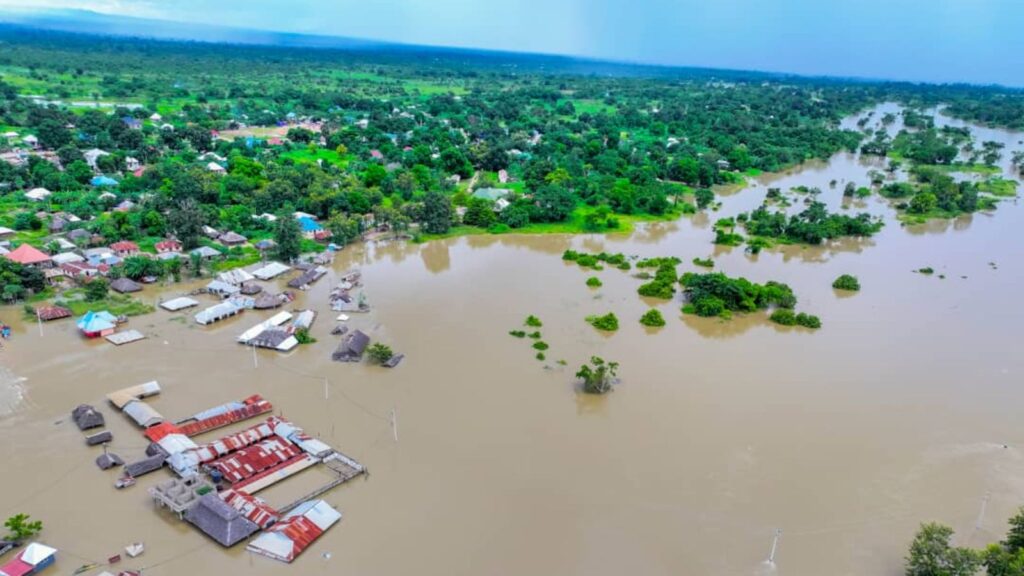
During the 2023/24 El Niño season, Tanzania lost an estimated 240,709 tonnes of crops valued at $69 million, while about 90,000 livestock worth an estimated $62 million were lost.
Flooding affected more than 51,000 households and displaced more than 200,000 people, according to an assessment by the government, the Food and Agriculture Organization (FAO) and the World Food Programme (WFP), as reported by Daily News in its assessment of the losses.
Those figures should make the current preparations more than a routine seasonal exercise.
They show the economic consequences when extreme weather collides with vulnerable infrastructure, farming systems and communities.
The question now is whether Tanzania will spend more money responding to damage—or invest enough beforehand to prevent it.
Farmers face a difficult equation
The irony is that farmers need rain.
Rain is essential for crop production and can improve agricultural prospects in areas that have experienced inadequate rainfall.
But too much rain, particularly when it falls within a short period, can have the opposite effect.
The FAO’s latest country brief on Tanzania warns that ongoing El Niño conditions are expected to bring above-average rainfall to parts of the country from October 2026.
While the additional rainfall could benefit some crops, FAO also warns that excessive rainfall could increase the risk of flooding, pests and diseases, potentially causing crop and livelihood losses.
For onion farmers, the balance is particularly delicate.
They do not simply need rain.
They need the right amount of rain, at the right time, with adequate drainage.
That distinction is increasingly important as climate variability makes traditional expectations about rainfall less reliable.
For Daniel, therefore, the question is not whether the rain will come.
It is whether her farm will be able to withstand it.
Where will the Sh730 billion come from?
The government’s Sh730 billion estimate covers the entire disaster-management cycle, from preparedness and prevention to emergency response and recovery.
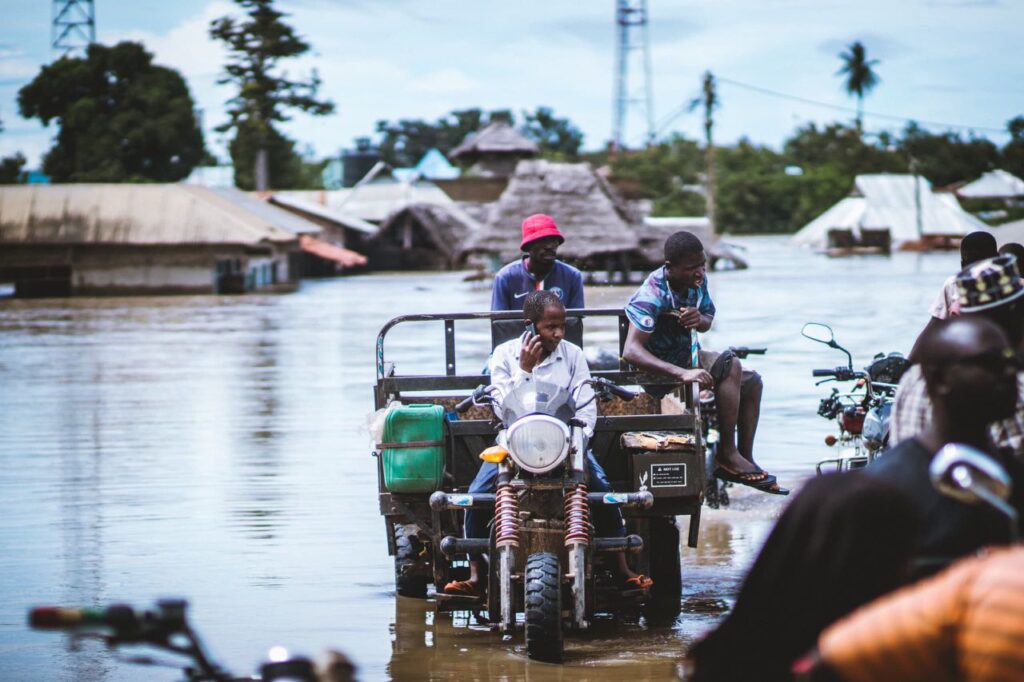
If major disasters occur, the response could involve rescue operations, emergency food supplies, temporary shelter and humanitarian assistance.
Recovery could then require billions more to repair roads, electricity networks, water systems, communication infrastructure and other damaged public assets.
But the government does not currently have the full Sh730 billion allocated for this purpose.
It says it is working with development partners, civil society, the private sector and other institutions to mobilise additional resources.
That creates another race against time.
How much of that money will be available before the rains arrive?
And perhaps more importantly, how much can be deployed for prevention rather than waiting until farmers have lost their crops, communities have been displaced and infrastructure has been damaged?
For households whose income depends on a single harvest, the timing of support can be the difference between resilience and debt.
Food security could become the next pressure point
The threat also extends beyond individual farmers.
Deputy Minister for Agriculture David Silinde has urged citizens to maintain food reserves equivalent to at least two months amid concerns that excessive rainfall could disrupt food production.
For farming households, such advice carries particular weight.
A failed harvest can simultaneously remove a family’s source of income and food.
If widespread crop losses occur, the consequences could extend beyond farms to local markets, food prices, transport networks and household purchasing power.
This is why the country’s preparedness should not be judged solely by its ability to rescue people from flooded areas.
It should also be judged by whether it can keep food moving from farms to markets.
That means protecting roads, bridges, drainage systems, storage facilities, markets and other infrastructure that connect farmers to consumers.
The weakest link may be the last mile
Tanzania’s ability to translate weather forecasts into action at community level will be crucial.
The government has urged citizens to follow information from TMA and report disasters to authorities.
But an effective early-warning system requires more than producing a forecast.
The information must reach the people most at risk, in a form they understand, early enough for them to act and there must be practical measures available to help them respond.
For a farmer in Shinyanga, that could mean receiving sufficient notice to adjust harvesting plans, protect farm inputs or take measures to reduce the impact of waterlogging.
For a local authority, it could mean clearing drainage channels before heavy rainfall, identifying evacuation routes and positioning emergency equipment before roads become impassable.
This is where the government’s preparations will face their biggest test.
The clock is ticking
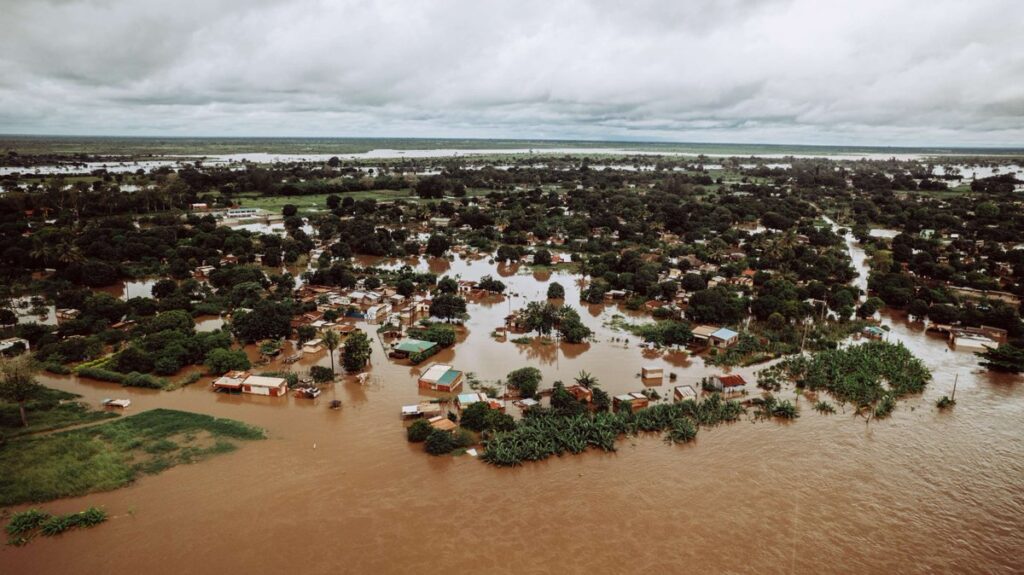
October is approaching, leaving Tanzania with a limited window to convert forecasts into action.
The Sh730 billion estimate provides a useful indication of the potential scale of the problem.
But the more immediate question is whether the Sh10 billion already allocated, together with resources mobilised from development partners and other institutions, will be enough to make a meaningful difference before the rains intensify.
Tanzania already knows what heavy El Niño rains can cost. It knows the regions considered vulnerable, infrastructure that needs attention and farmers whose livelihoods are exposed.
What remains to be seen is whether that knowledge will translate into action quickly enough.
For Modesta Daniel, preparedness will not be measured by the size of the government’s disaster plan or the billions attached to it.