


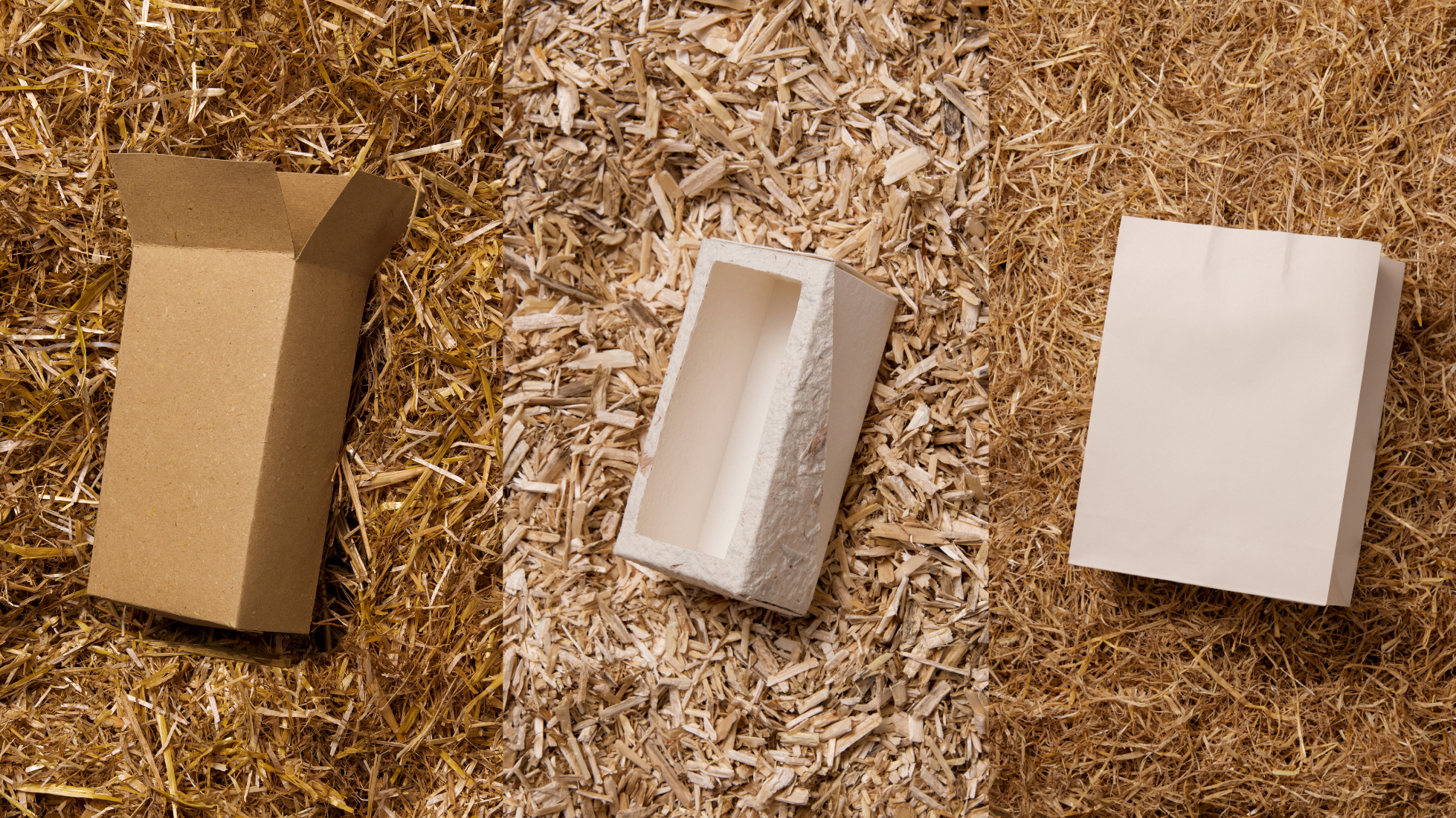
A new economic modelling report says replacing 5–10 percent of virgin wood pulp with agricultural residues could help packaging manufacturers cut costs, diversify fibre sources and reduce exposure to volatile timber prices.
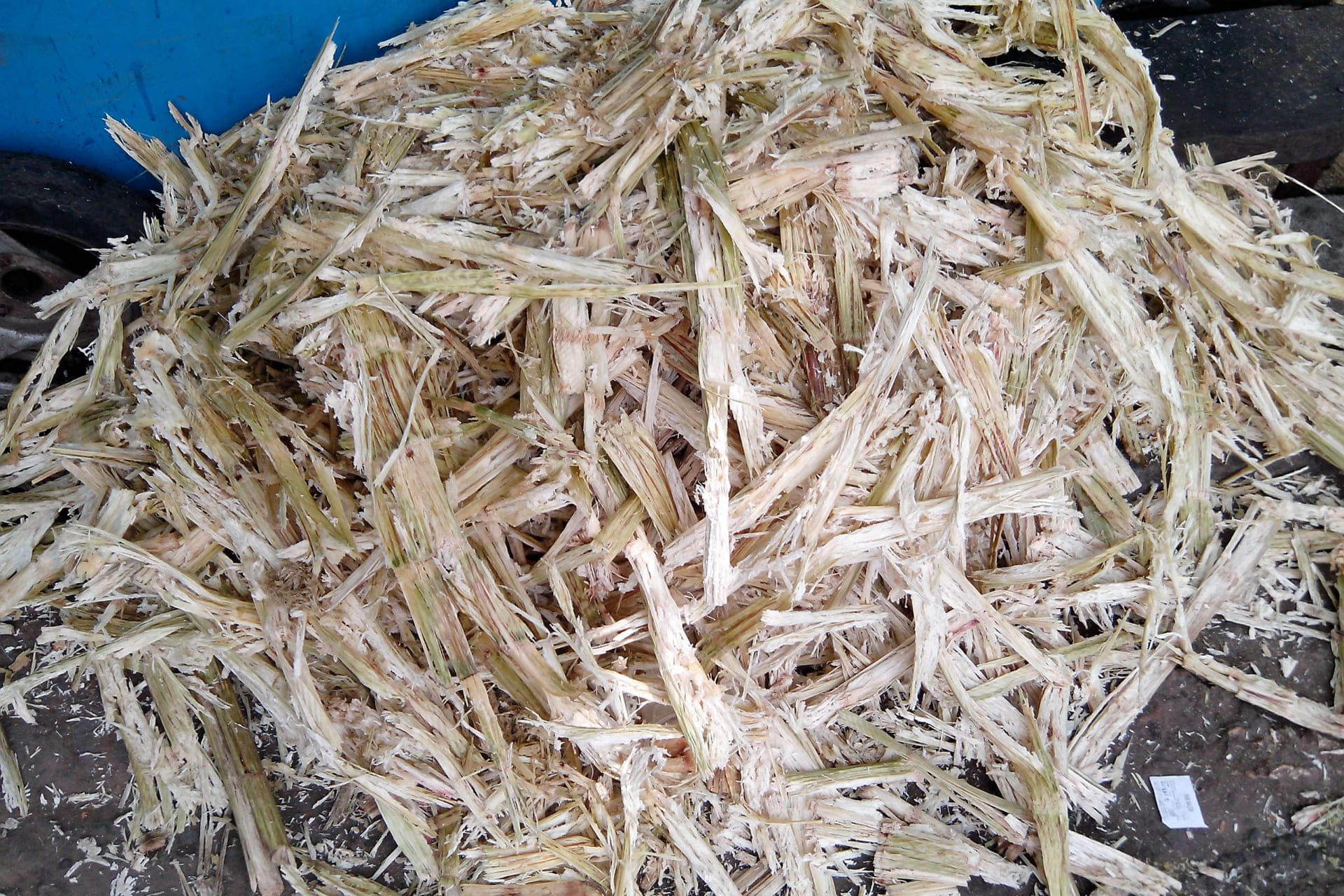
Global, Dar es Salaam. Paper packaging manufacturers could reduce production costs and dependence on forest resources by incorporating wheat straw and sugarcane bagasse into their pulp production, according to a new report by environmental organisation Canopy.
Released on November 9, 2026 the report, titled Seeing the Field and the Forest, finds that replacing 5–10 percent of virgin wood pulp with alternative fibre, known as Next Gen pulp, is commercially viable and cost-competitive for manufacturers.
The findings come amid growing demand for paper-based packaging as companies shift away from plastic, increasing pressure on the wood pulp supply chain.
According to the report, fluctuations in energy and raw material prices, geopolitical tensions, trade disruptions, climate-related supply shocks and tighter regulations are creating uncertainty over the cost and availability of virgin wood fibre.
Canopy argues that agricultural residues, including wheat straw and sugarcane bagasse, could provide an alternative source of fibre while helping manufacturers manage these risks.
“Mills can pay US$345 to 380 a tonne for wheat straw or sugarcane bagasse pulp and still beat the cost of the wood it replaces, with less exposure to swings in wood prices,” said Kari Stoever, Canopy’s Head of Impact.
She said the price was achievable in the current market, adding that packaging manufacturers did not need to wait for further technological improvements before reducing their reliance on forest resources.
The study, developed in collaboration with Blue Lotus Strategies and Glynmoran, examines the commercial viability of using Next Gen pulp in consumer paperboard production.
It models a potential business arrangement between a high-volume consumer goods company or paperboard converter and an integrated pulp and paperboard mill in China.
The assessment focuses on folding boxboard (FBB), a high-performance, lightweight paperboard commonly used in packaging. The material has three layers, with bright white printable surfaces and a middle layer that provides strength and stiffness.
Potential for wider adoption
The modelling shows that, at a delivered price of between US$345 and US$380 per tonne, Next Gen pulp could account for approximately eight percent of the most cost-effective fibre mix for high-performance folding boxboard by 2028.
However, technical limitations currently restrict its use to about 10 percent of the board’s composition, mainly in the middle layer, where it replaces less expensive wood pulp.
The report says improvements in fibre quality and manufacturing processes could allow agricultural residue-based pulp to replace more expensive grades of wood pulp, increasing potential savings.
With early adoption and continued improvements, manufacturers could increase the share of Next Gen pulp to 20 percent by 2030 and more than 30 percent after 2032.
This could also support the development of more diversified, affordable and regionally based fibre supply chains.
Beyond the economic benefits, the report highlights the potential environmental gains from changing the sources of fibre used in paper production.
Canopy’s research indicates that replacing old-growth softwood with wood from managed forests, alongside 10 percent agricultural residues, could reduce lifecycle greenhouse gas emissions by approximately half in some applications.
Call for early adoption
Canopy is urging brands, paper converters and pulp mills to begin incorporating 5–10 percent Next Gen pulp into their production processes while investing in supply capacity, technical performance and environmental evidence to support wider adoption.
The organisation argues that early adoption would help manufacturers prepare for future policy requirements while reducing their exposure to fluctuations in virgin wood pulp prices.
As demand for paper packaging continues to grow, diversifying fibre sources could become increasingly important in building more resilient and affordable supply chains.