


By Habitat Media Reporter
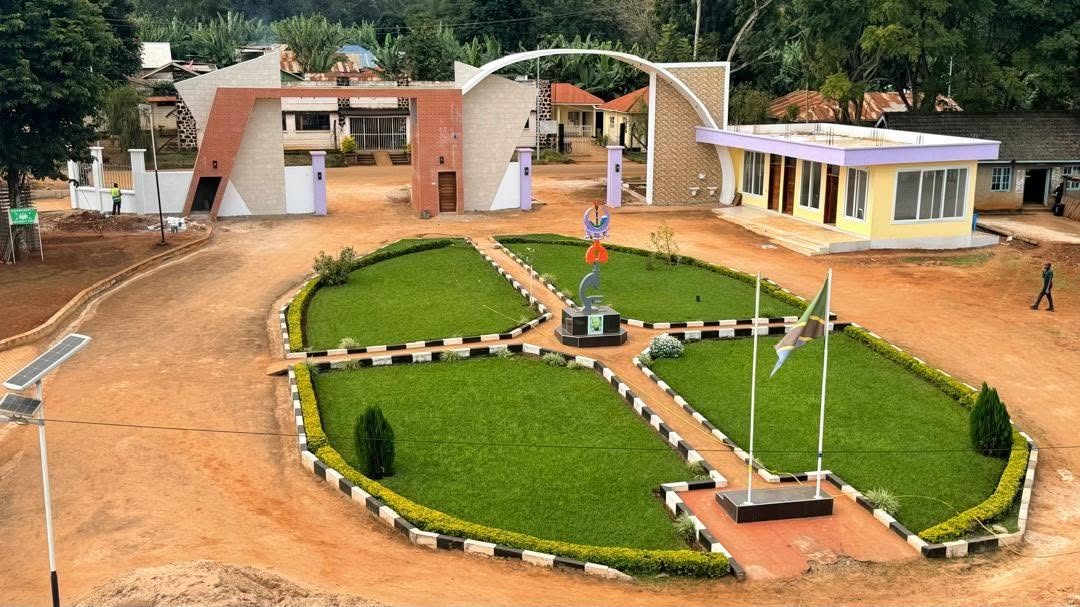
Kilimanjaro. Tanzania’s Kibong’oto laboratory has begun the process of becoming an international centre for infectious disease testing in East Africa, a move expected to enable the country to receive and analyse samples from within and outside Tanzania.
The initiative is part of efforts to strengthen Tanzania’s capacity to detect and respond to disease outbreaks, particularly those that could spread across borders in the East African region.
The facility, which is part of the Tanzania Infectious Diseases Institute (TIDI) and was formerly known as Kibong’oto National Infectious Diseases Specialised Hospital, is being positioned to provide specialised diagnostic services to neighbouring countries.
Speaking on September 13, 2026, the manager of Kibong’oto’s Public Health Laboratory, Dr Shabani Mziray, said the Ministry of Health had recommended that the laboratory begin the process of becoming an international diagnostic centre for the region.
“We are prepared to receive international samples here. The laboratory has been recommended by the Ministry of Health to begin the process of becoming an international centre for providing diagnostic services in East Africa,” Dr Mziray said.
He said the institution expects to attain World Health Organisation (WHO) standards within the next one to two years, which would enable it to provide diagnostic services and technical support to neighbouring countries dealing with disease outbreaks.
Once the process is completed, Dr Mziray said, TIDI would be able to support countries including the Democratic Republic of Congo (DRC), Uganda, Malawi and other countries surrounding Tanzania in responding to infectious disease outbreaks.
The laboratory is a strategic facility under TIDI whose construction was supported through the East African Community initiative to improve laboratory capacity at border areas.
Dr Mziray said the laboratory was established in northern Tanzania because of the region’s strategic location and proximity to the borders with Kenya and Uganda.
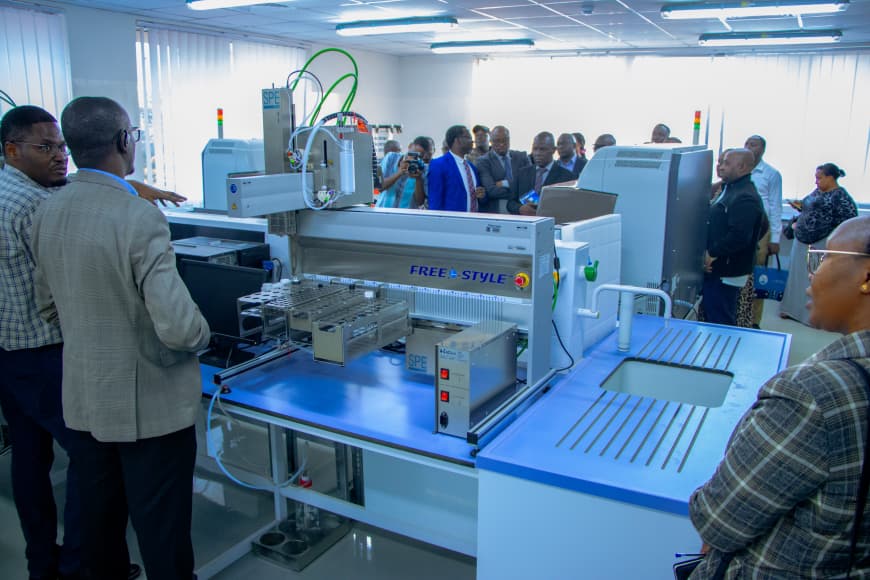
The infrastructure and equipment installed at the facility enable specialists to identify pathogens responsible for disease outbreaks, he said.
According to Dr Mziray, the laboratory can identify pathogens responsible for an outbreak within seven days, allowing authorities to take timely measures to contain the spread of disease.
“According to international standards, an outbreak should be identified within seven days, after which the relevant authorities should be notified within 24 hours. Measures to respond to the outbreak should then begin,” he said.
He said the laboratory’s location and Tanzania’s interaction with neighbouring countries made it important to ensure diseases linked to cross-border movement are detected early and appropriate action taken.
TIDI Director Dr Leonard Subi said the institute was part of a national effort to strengthen the fight against infectious disease outbreaks affecting the world.
He said TIDI was also working to strengthen the capacity of regions and local government authorities to respond to disease outbreaks.
The institute will also receive samples from different regions for analysis to identify disease-causing pathogens and help determine medicines that can be used in treatment, Dr Subi said.
“This hospital has modern equipment and machinery, and we conduct tests for diseases across different areas, while also carrying out strategic research,” he said.
Morogoro Regional Medical Officer Dr Best Magoma commended the investment made in the facility, saying the modern equipment could significantly benefit Tanzanians by improving disease diagnosis.
He said the laboratory would make it easier to conduct disease investigations from different parts of the country and that health authorities would explore ways of using its capacity effectively.
“The capacity of this hospital is very significant because of the modern equipment installed here. We have realised that we can use this hospital to improve healthcare delivery because it has a laboratory with extensive capacity to conduct tests for different diseases,” Dr Magoma said.