

By Jenifer Gilla
Dar es Salaam. Environmental experts have underscored the importance of strengthening social cohesion, arguing that communities united by trust and cooperation are better positioned to protect natural resources and respond to the growing impacts of climate change.
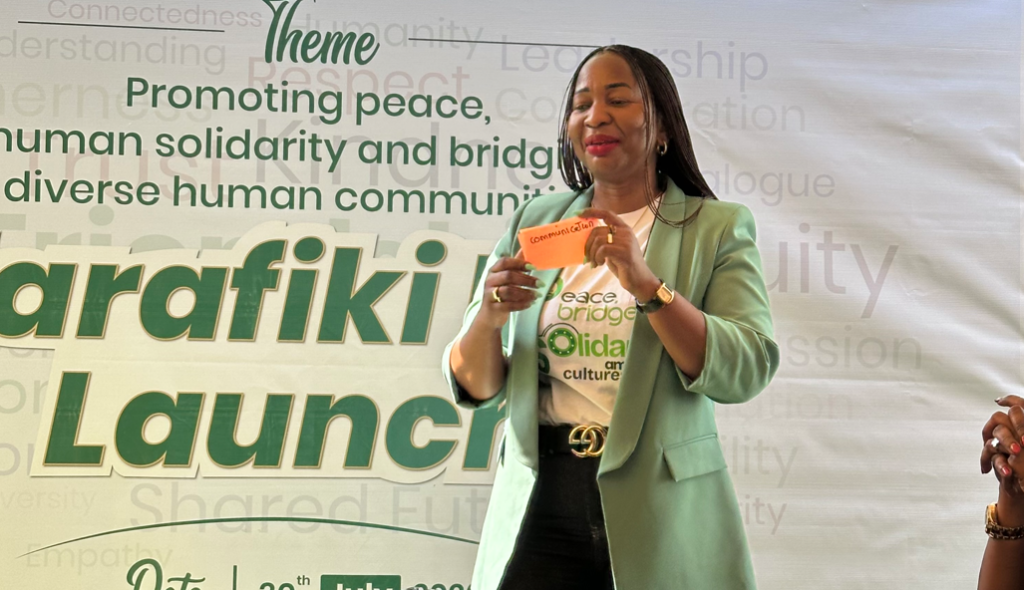
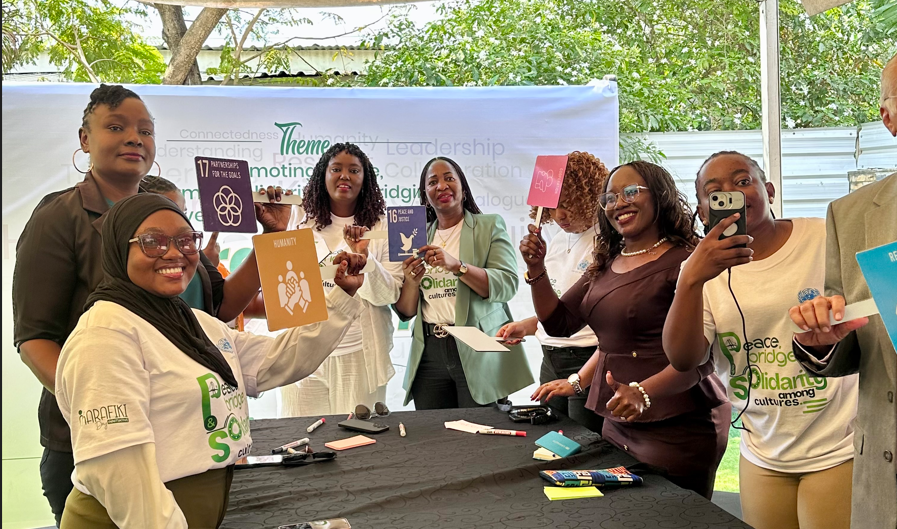
The message was delivered during the launch of a new community engagement initiative named, “Marafiki Day” held to coincide with the United Nations International Day of Friendship on July 30.
Organisers said the platform seeks to encourage dialogue and collaboration among people from different cultural, religious and ethnic backgrounds as a way of promoting environmental stewardship and sustainable development.
Speaking at the event, the Marafiki Day founder, Ms Nyendo Kinyonga, said lasting environmental conservation depends not only on sound policies but also on communities that are willing to work together to safeguard shared natural resources.
“Environmental protection requires people who trust one another and are prepared to collaborate. Building dialogue, mutual respect and cooperation creates a stronger foundation for conserving forests, water sources and biodiversity,” she said.
She observed that rapid urbanisation, technological change and evolving social interactions have reduced opportunities for meaningful community engagement, making it increasingly important to create spaces where people can reconnect and collectively address environmental challenges.

According to Ms Kinyonga, the initiative will engage young people through activities such as tree planting, environmental clean-up campaigns, cultural exchanges, sports, storytelling, community dialogues and volunteer programmes aimed at promoting environmental responsibility and community resilience.
She added that stronger social ties can also help reduce conflicts over natural resources by encouraging dialogue and shared responsibility in the management of forests, water catchments and other ecosystems.
The Executive Director of the Human Dignity and Environmental Care Foundation (HUDEFO), Ms Sarah Pima, said climate change should not be viewed solely as an environmental issue but also as a social challenge that requires collective action.
“Communities that work together are better equipped to conserve biodiversity, protect ecosystems and develop locally driven solutions that strengthen resilience against climate change,” she said.
She noted that social solidarity enables communities to respond more effectively to environmental degradation while encouraging greater participation by young people in conservation initiatives.
“Our cultural, religious and social diversity should be a source of strength rather than division. Working together enhances our ability to protect the environment and safeguard natural resources for future generations,” she said.
Ms Pima said HUDEFO will continue partnering with schools, community leaders, faith-based organisations, civil society groups and the media to promote environmental awareness alongside messages that encourage peaceful coexistence and community participation.
She added that community-driven environmental initiatives contribute to several Sustainable Development Goals, including Climate Action, Life on Land, Sustainable Cities and Communities, Peace, Justice and Strong Institutions, and Partnerships for the Goals.
Calling for wider participation, Ms Pima urged young people, environmental organisations, educational institutions, the private sector and development partners to support efforts that strengthen community cooperation while advancing environmental conservation.
“As climate change, biodiversity loss and environmental degradation continue to threaten livelihoods, collective action at the community level will remain essential in building resilience and achieving sustainable development,” she said.