


By Jenifer Gilla
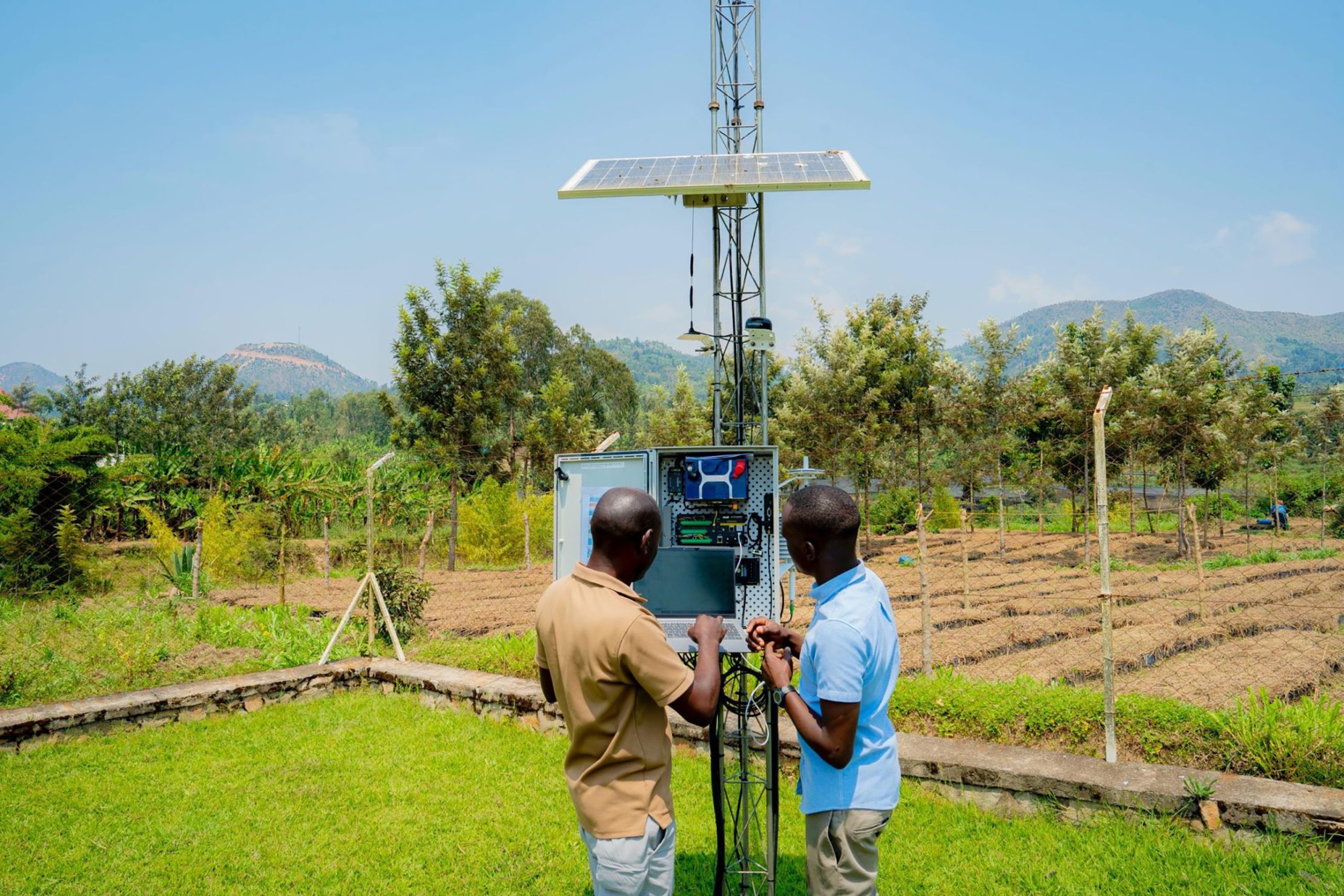
Arusha. Strengthening early warning systems and improving access to reliable weather information have emerged as key priorities in the fight against climate change, as scientists warn that extreme weather events continue to threaten lives, livelihoods and economic development.
The call was made as leading climate scientists from 75 countries gathered in Arusha to advance global scientific assessments that will shape climate policies and guide countries’ responses to the growing impacts of climate change.
The five-day meeting of the Intergovernmental Panel on Climate Change (IPCC) Working Group I, which began on November 2, 2026, is part of preparations for the organisation’s Seventh Assessment Report (AR7), a major scientific assessment expected to inform international climate negotiations and national adaptation strategies.
Speaking at the opening ceremony, Tanzania Meteorological Authority (TMA) Director General and IPCC Vice-Chair Dr Ladislaus Chang’a said timely and accurate weather information was critical in helping governments and communities anticipate extreme weather events and take preventive measures.
He stressed the importance of strengthening early warning systems and improving collaboration among scientists, government institutions, communities and economic sectors to ensure scientific findings translate into practical interventions.
Dr Chang’a said access to reliable forecasts would enable communities and institutions to prepare for potential disasters, protect livelihoods and minimise damage to infrastructure and other development investments.
The emphasis on early warning systems comes amid growing climate-related risks across Africa, where prolonged droughts, intense rainfall, flooding and rising temperatures continue to disrupt economic activities, particularly in climate-sensitive sectors such as agriculture.
In Tanzania, where millions of people depend on agriculture for their livelihoods, timely weather forecasts and seasonal climate information are increasingly important in helping farmers make informed decisions.
Such information can guide planting schedules, crop selection and preparations for changing rainfall patterns, while enabling government authorities to plan disaster responses and protect critical infrastructure.
However, turning weather forecasts into effective early action requires coordination between meteorological agencies, local authorities, disaster management institutions and communities.
This is particularly important in rural areas, where limited access to climate information can leave vulnerable populations less prepared for extreme weather events.
Opening the meeting on behalf of Prime Minister Mwigulu Nchemba, Transport Minister Prof Makame Mbarawa said climate change was no longer a distant threat but a reality whose impacts were being experienced across the world.

“Climate change is not merely a future threat. Its effects are already being felt across the world, particularly in developing countries, including African nations and small island states,” he said.
Prof Mbarawa said the increasing frequency and intensity of extreme weather events required governments to integrate climate science into development planning, particularly when investing in infrastructure.
He singled out the transport sector as increasingly vulnerable to climate-related hazards, including heavy rainfall, flooding, extreme temperatures and storms.
According to him, such events can damage infrastructure, disrupt transport services and increase the costs of maintaining roads and other public facilities.
He said incorporating climate resilience into infrastructure planning and development was essential to protecting public investments and ensuring transport networks remained functional under changing climatic conditions.
The minister’s remarks highlighted the importance of using scientific evidence beyond understanding climate change, particularly in making development decisions that reduce exposure to climate-related risks.
The Arusha meeting is expected to contribute to the IPCC’s Seventh Assessment Report, which will provide updated scientific evidence on the physical science of climate change.
The assessment will examine observed changes in the climate system, future climate projections and the factors driving global warming, providing governments with an updated scientific basis for developing climate policies.
Its findings are expected to inform decisions on both climate change mitigation and adaptation, as well as international negotiations on addressing the global climate crisis.
For African countries, the assessment process also presents an opportunity to ensure the continent’s climate challenges and scientific contributions are adequately represented in global climate discussions.
IPCC Chairman Prof Sir Jim Skea commended the Tanzanian government, the Arusha Regional Administration and TMA for their role in organising the meeting.
He underscored the importance of accuracy and clarity in scientific communication, saying findings presented in IPCC assessments must remain credible, precise and relevant to government decision-making and international climate negotiations.
Prof Skea urged scientists participating in the assessment process to pay close attention to the language used when presenting their findings to ensure scientific conclusions are communicated clearly and accurately.
The meeting, being held at the Pan-African Postal Union (PAPU) International Conference Centre, runs until November 6, 2026.
It is organised by the IPCC in collaboration with the Tanzanian government through TMA.