


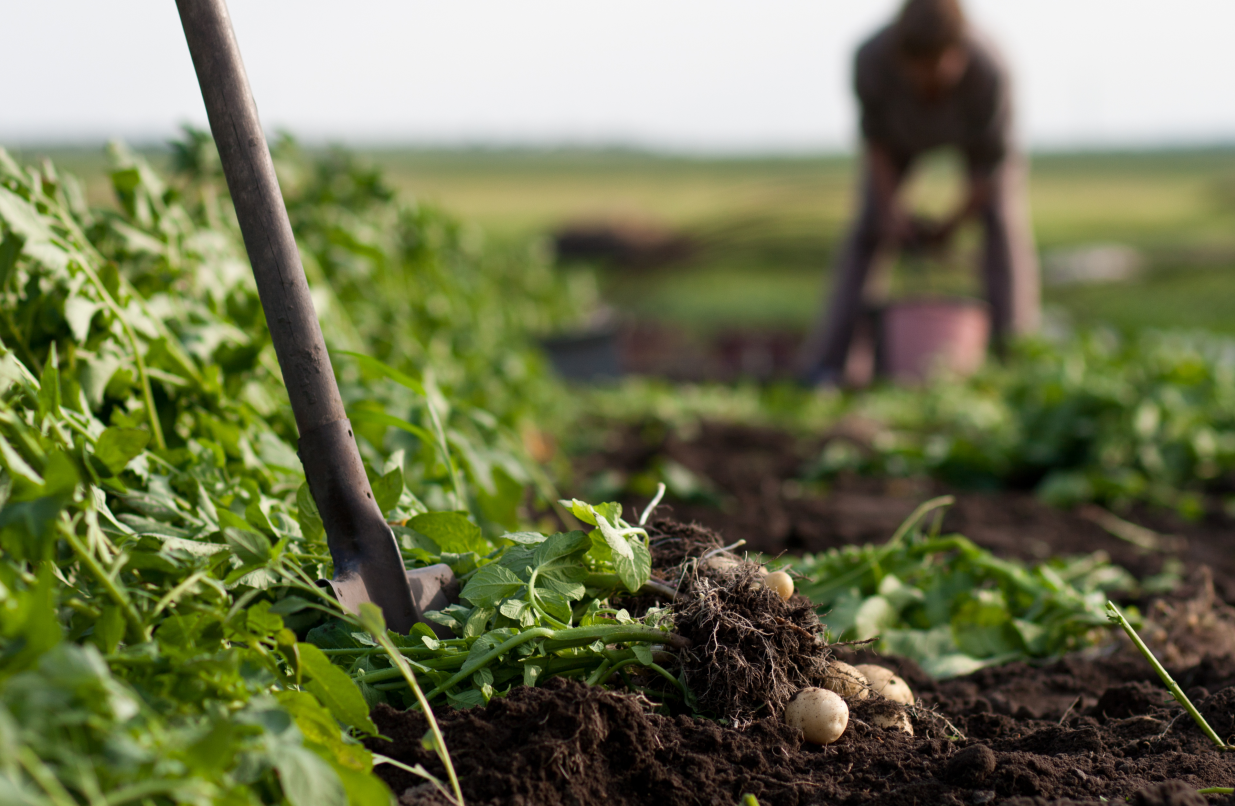
Dodoma/Arusha. Tanzanian farmers have been urged to abandon toxic agrochemicals and adopt agroecological farming practices as a way of protecting public health, restoring degraded soils and reducing climate change–related loss and damage in the agricultural sector.
Experts warn that widespread misuse of chemical pesticides and fertilisers is undermining food safety, accelerating land degradation and weakening farmers’ capacity to cope with climate stresses such as drought, declining soil fertility and increasing pest outbreaks.
A researcher from the Tanzania Plant Health and Pesticides Authority (TPHPA), Dr Jones Kapeleka, said many of the pesticides currently used by farmers contain harmful toxins that threaten human health while destroying soil biodiversity essential for sustainable food production.
Dr Kapeleka was speaking during a national forum organised by the Tanzania Smallholder Farmers’ Federation (Shiwakuta) in December 2025, which brought together farmers, livestock keepers and fishers to explore access to domestic and regional markets for agroecological produce.
He said research by TPHPA shows that many farmers apply pesticides without professional guidance, often mixing several products with similar functions, thereby increasing toxicity and environmental damage.
“It is common to find farmers mixing up to six different pesticides that all serve the same purpose. This practice exposes farmers, consumers and soils to unnecessary risk,” he said.
According to Dr Kapeleka, improper pesticide use disproportionately affects women, who are more exposed during farm activities. He added that crops treated with chemical pesticides pose significantly higher health risks compared to those produced without toxic inputs.
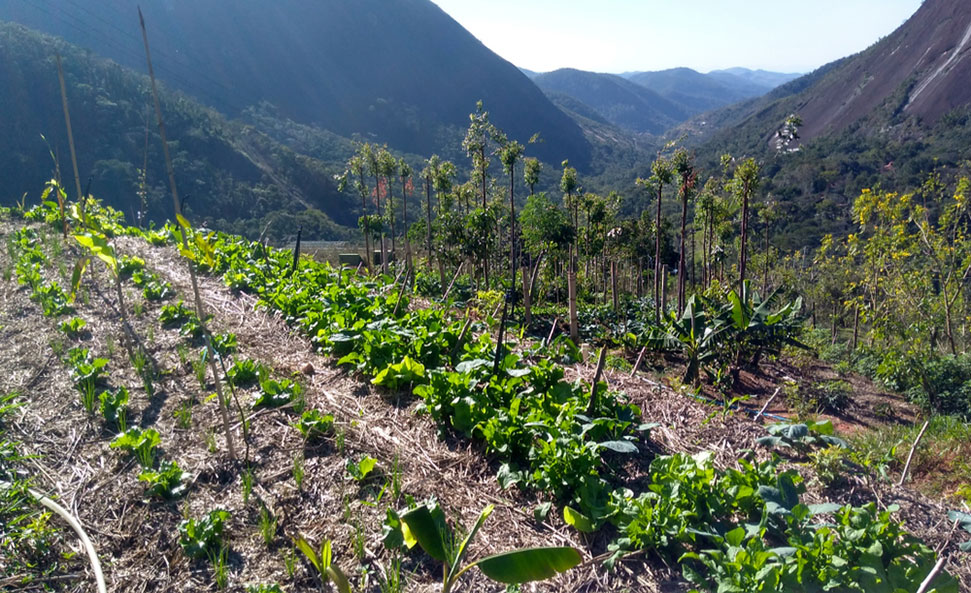
He noted that agroecology offers a viable alternative by minimising chemical use, improving soil health and enhancing resilience to climate shocks—key factors in reducing agricultural losses and damage linked to climate change.
Indigenous seed researcher Ayesiga Buberwa said traditional seed varieties play a crucial role in climate adaptation, particularly as erratic weather patterns continue to affect crop performance.
He said indigenous seeds for legumes and other crops are naturally resistant to pests and diseases, drought tolerant and do not require chemical pesticides, making them suitable for agroecological farming systems.
“These seeds are safe, affordable and resilient. They provide farmers with reliable harvests even under harsh climate conditions,” he said, adding that indigenous seeds researched in Manyara Region have already been distributed to farmers with positive results.
Shiwakuta’s Advocacy and Lobbying Officer, Thomas Laiser, said the forum aimed to strengthen farmers’ capacity to produce safe, high-quality food that meets market standards without harming the environment.
“Our goal is to support farmers to engage in commercial production without using toxic chemicals. Safe food is not only a health issue, but also a market requirement,” he said.
Mr Laiser warned that excessive pesticide use has already affected market access, noting that even honey produced from flowers contaminated by pesticides has been found to contain toxins, reducing its competitiveness in cross-border trade.
In Arusha, stakeholders raised similar concerns, describing heavy chemical use in agriculture as a key driver of land degradation and food insecurity.
Shiwakuta Marketing Officer Jimmy Mongi said excessive use of chemical fertilisers and pesticides does not guarantee higher yields, but instead weakens soil health and increases production costs, leaving farmers more vulnerable to climate impacts.
“Agroecology focuses on the overall wellbeing of farming systems—economically, environmentally and in terms of human health. This is especially important at a time when climate change is disrupting agriculture,” he said.
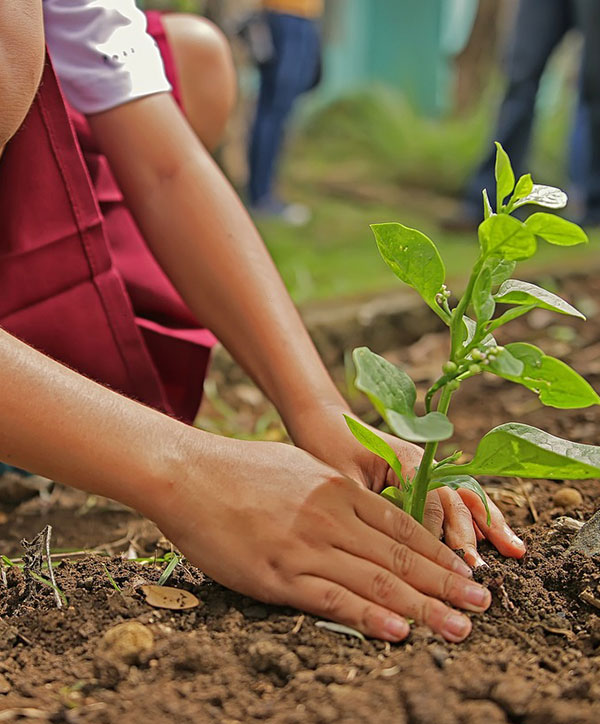
Mr Mongi said the use of organic fertilisers improves soil structure and biodiversity while ensuring food safety. He added that Shiwakuta continues to educate farmers to counter the misconception that agroecological farming cannot be practised at a commercial scale.
“There is a negative perception that agroecology cannot be done on large farms, yet farmers can achieve good yields, access large markets and protect both consumer health and soil fertility,” he said.
He pointed to regional trade as evidence of the need for safe and high-quality produce, noting that Tanzania trades agricultural products such as onions, lemons, potatoes, carrots and maize with neighbouring countries depending on seasonal demand.
Kilombero Agroecological Market Manager Jeremia Katemi said the market collaborates with farmer networks and organisations, including Shiwakuta, to link agroecological producers with buyers.
He said the market receives fruits and vegetables from several East African countries, where food safety inspections are conducted at border points. Wider adoption of agroecology, he noted, would enhance food safety across the region by reducing chemical residues.
A trader at the market, Ms Mwajuma Ally, said agroecologically produced food offers greater protection to consumers.
“As buyers, we prioritise food safety. There is a need for stronger government support to raise public awareness so people can choose safe food while protecting soil fertility for future generations,” she said.
Across Africa, including Tanzania, agroecology is increasingly recognised as an environmentally and socially grounded approach that integrates traditional knowledge with scientific innovation. By promoting biodiversity, healthy soils and reduced reliance on synthetic inputs, agroecology strengthens food sovereignty and builds resilience to climate change loss and damage.
In Tanzania, initiatives such as the Kilimo Endelevu Arusha project have trained thousands of smallholder farmers in soil management, biopesticides and indigenous seed systems.
Research institutions, including Sokoine University of Agriculture, continue to develop agroecological practices tailored to local conditions, positioning agroecology as both a climate solution and a pathway to sustainable development.