


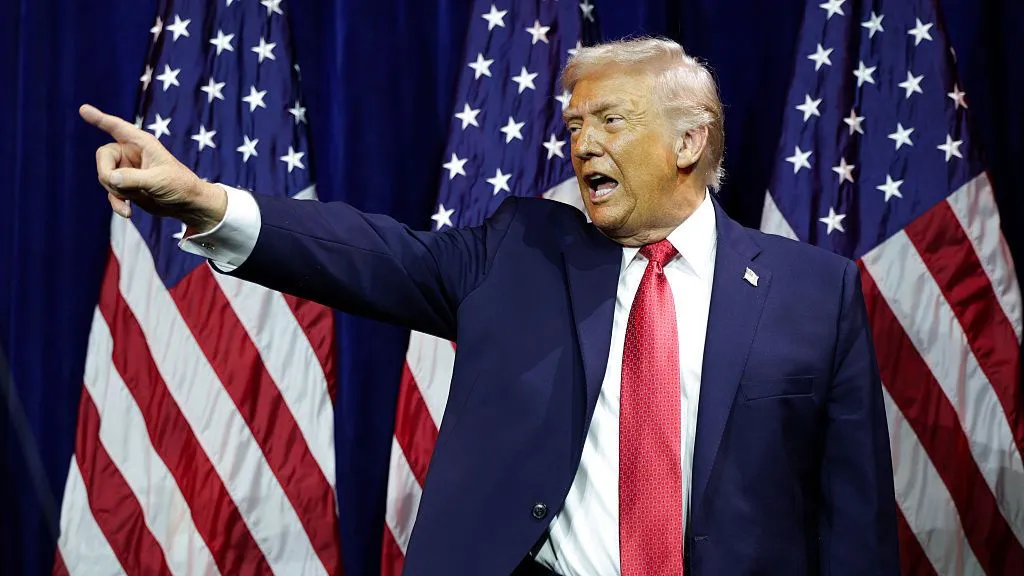
Dar es Salaam. The United States’ decision to withdraw from key international climate institutions has sparked global concern.
Climate leaders and experts warn the move will weaken efforts to address climate change loss and damage at a time when vulnerable countries are already grappling with devastating impacts.
On January 7, 2025, President Donald Trump signed a presidential memorandum directing the withdrawal of the US from 66 international bodies and departments.
These include the Intergovernmental Panel on Climate Change (IPCC), the United Nations Framework Convention on Climate Change (UNFCCC), the International Solar Alliance, and the International Renewable Energy Agency (IRENA).
A day later, Washington announced its exit from the Green Climate Fund (GCF), the UN’s main financing mechanism to support climate action in developing countries.
The move effectively distances the world’s largest historical greenhouse gas emitter from the global architecture designed to tackle climate change, including mechanisms meant to address loss and damage, the irreversible harm caused by climate impacts that cannot be adapted to.
Reacting to the decision, UN Climate Change Executive Secretary Simon Stiell described it as a “colossal own goal” that would ultimately harm the US economy and living standards.
“While all other nations are stepping forward together, this latest step back from global leadership, climate cooperation and science can only harm the US economy, jobs and living standards, as wildfires, floods, mega-storms and droughts get rapidly worse,” Mr Stiell said.
“It will leave the US less secure and less prosperous.”
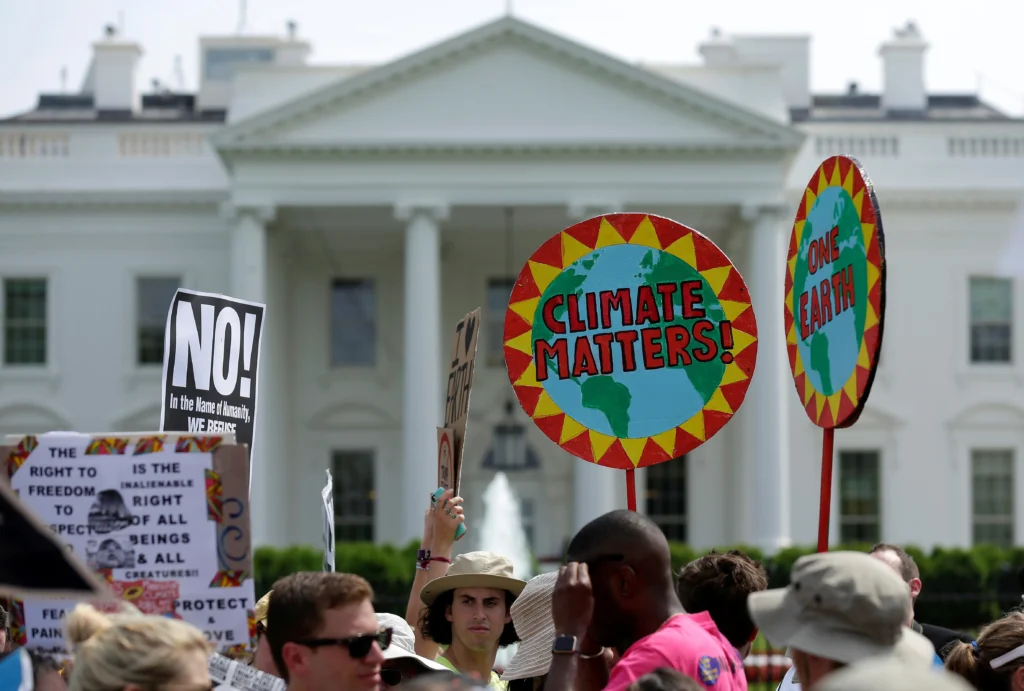
Loss and damage has emerged as a central issue in global climate negotiations, particularly for developing countries that contribute least to global emissions but bear the brunt of climate impacts.
In Africa, climate-induced floods, prolonged droughts, heatwaves and rising sea levels are already destroying livelihoods, infrastructure and ecosystems, placing enormous strain on public finances and communities.
The UNFCCC obliges wealthy industrialised nations to cut emissions, report transparently on their climate actions, and provide financial support to poorer countries to mitigate and adapt to climate change.
Climate finance, including through the GCF, is also critical for responding to loss and damage, especially where adaptation limits have been exceeded.
However, US Treasury Secretary Scott Bessent announced that Washington would immediately withdraw from the GCF and its governing board, effectively surrendering its influence over how climate finance is governed and deployed.
Climate finance experts say the decision undermines both global solidarity and practical solutions.
Joe Thwaites, International Climate Finance Director at the Natural Resources Defense Council (NRDC), said that while the US had already signalled it would not make new contributions to the GCF, the withdrawal carries deeper implications.
“One of the effects of leaving the UNFCCC is that the US is no longer eligible to hold board seats on the GCF or other UNFCCC climate funds, giving up any say over how these funds operate and how already paid-in US funding is deployed,” Mr Thwaites said, calling it a dereliction of responsibility to both vulnerable countries and American taxpayers.
European leaders were among the most vocal critics. European Commission Executive Vice President Teresa Ribera said the move showed a disregard for human suffering linked to climate disasters.
“The White House doesn’t care about the environment, health or the suffering of people. Peace, justice, cooperation or prosperity are not among its priorities,” she said in a social media post.
African climate advocates warned that retreating from multilateral climate agreements risks undermining efforts to respond to escalating loss and damage.
Mohamed Adow, founder and director of Power Shift Africa, said the decision sends the wrong signal at a critical moment.
“Retreating from international climate agreements when the impacts of the climate crisis are biting harder than ever undermines global solidarity,” he said.
“Political posturing cannot alter the physics of greenhouse gas accumulation, and no amount of rhetoric can extinguish wildfires, hold back floods or stop a hurricane.”
Climate policy expert Joab Okanda said the US withdrawal does not diminish the urgency of climate action, but it does weaken multilateral cooperation.
“These institutions are not only about environmental outcomes; they are central arenas where economic, industrial and geopolitical interests are negotiated,” Mr Okanda said.
“For Africa and the rest of the world, this moment reinforces the importance of staying engaged and leading within platforms such as the UNFCCC and the IPCC, especially as loss and damage becomes a defining development challenge.”
The withdrawal also extends to scientific bodies. The US has pulled out of the IPCC, despite American scientists having played a central role in shaping global climate science for decades.
Still, the US Academic Alliance for the IPCC said more than 70 US-based experts currently serving the panel will continue contributing in their personal capacities.
“The IPCC’s findings have shaped science-based policy from global agreements to local resilience plans,” the alliance said, stressing that continued scientific engagement remains vital.
Global energy leaders also expressed concern. IRENA Director-General Francesco La Camera said renewable energy is no longer just a climate solution but a cornerstone of economic competitiveness.
“Renewable energy is smart economics and will be the decisive factor in the competitiveness of economies,” he said, warning that withdrawing from international cooperation risks leaving the US behind as clean energy accelerates elsewhere.
Analysts note that as climate impacts intensify, loss and damage finance is becoming a central demand of developing countries. The US withdrawal, they argue, risks weakening trust and slowing progress at a time when climate-related destruction from floods in East Africa to wildfires and storms elsewhere is already exacting a heavy human and economic toll.
As countries continue negotiations under the UN system, many see the moment as a test of global resolve: whether the world can strengthen collective action on loss and damage even as some major players step away from the table.
Hi there! I’m at work surfing around your blog from my new iphone 4! Just wanted to say I love reading through your blog and look forward to all your posts! Keep up the excellent work!