



By Jenifer Gilla
Dar es Salaam. Tanzania is stepping up efforts to shift households away from charcoal and firewood, as Tanzania Electric Supply Company Limited rolls out the second phase of distributing electric cooking stoves under a pay-as-you-go loan model targeting low-income consumers.
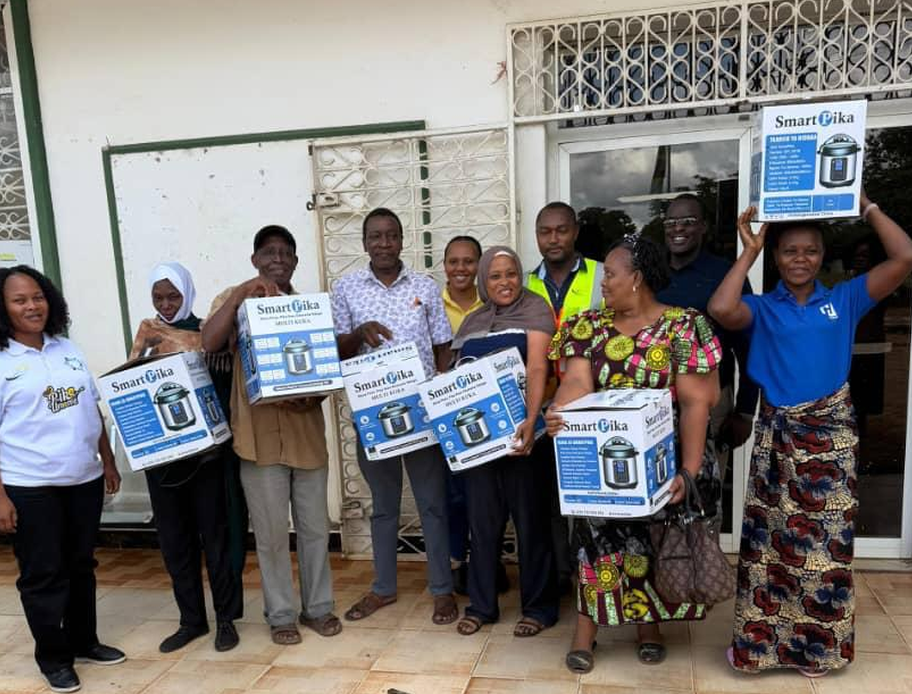
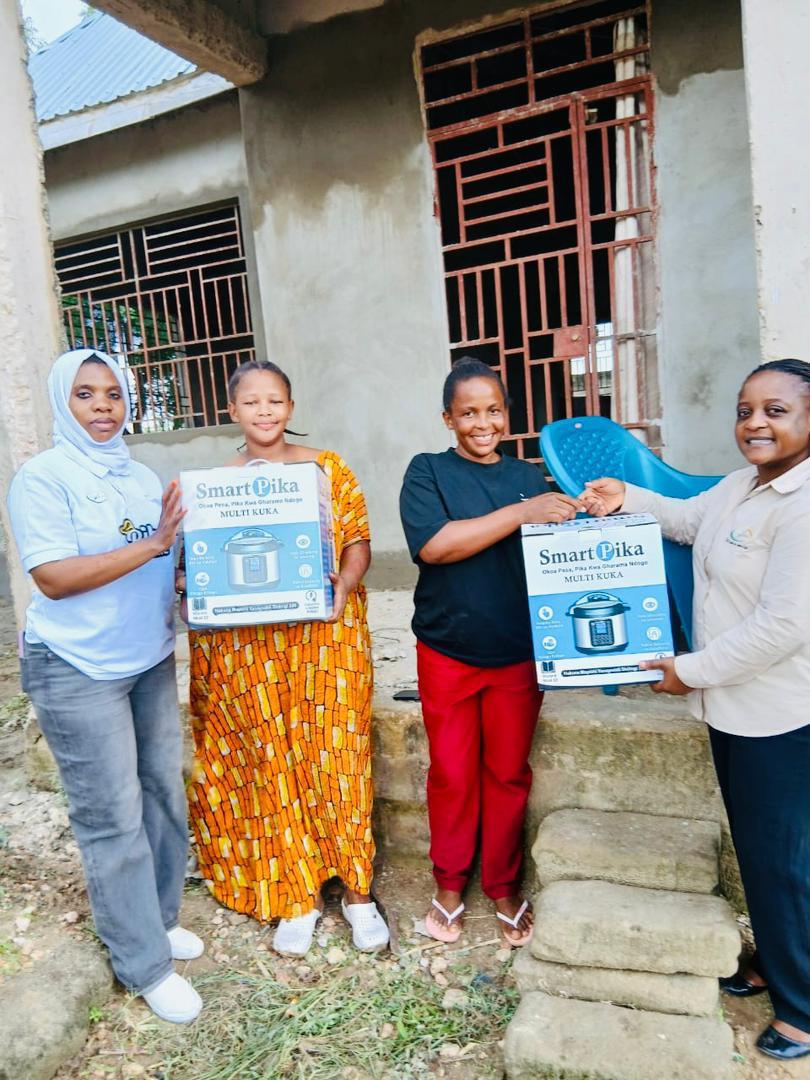
The state utility says it has so far distributed 347 Internet of Things (IoT)-enabled electric cooking stoves to existing customers across eight regions, including Dar es Salaam, Pwani, Dodoma, Mwanza, Mbeya, Tanga, Kilimanjaro and Arusha. The initiative forms part of the government’s broader strategy to promote clean cooking energy and reduce dependence on biomass fuels, a key driver of deforestation and indoor air pollution.
Under the scheme, households receive the stoves upfront and repay the cost in small instalments over a period ranging from one to 12 months through their electricity purchases. The model is designed to address the high upfront cost that has historically limited adoption of electric cooking in the country.
Digital shift in household energy use
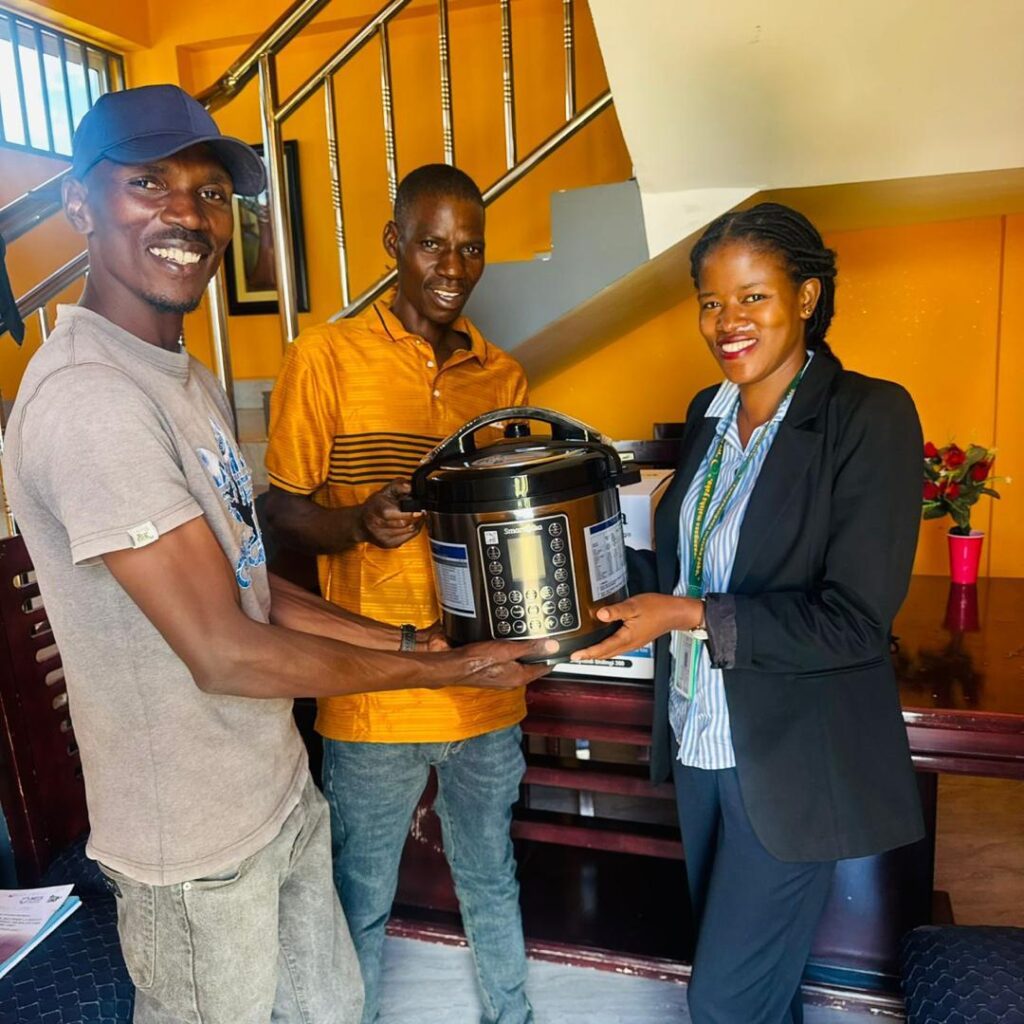
Unlike conventional electric stoves, the new models are fitted with IoT technology that allows users to track electricity consumption in real time. TANESCO says the feature is intended to help households better understand and manage their cooking-related energy use.
For many households, affordability and predictability of energy costs remain key concerns. By linking repayments directly to electricity usage, the programme aligns payments with consumption patterns, mirroring pay-as-you-go models widely used in off-grid solar systems across Africa.
“This system of paying in small instalments through electricity purchases has helped many low-income earners afford electric cooking stoves,” said Violeth Mlamondo, a resident of Chanika in Dar es Salaam and one of the beneficiaries. “Now I cook with electricity reliably and at a lower cost.”
Another beneficiary, Siria Mwinuka from Usa River in Arusha, said the stoves are easy to use and reduce dependence on polluting fuels. “This programme is helping us adopt clean cooking energy in practice,” she said.
Scaling up clean cooking ambitions
The second phase builds on an earlier rollout that saw 480 stoves distributed to new electricity customers nationwide. TANESCO says the initiative has recorded positive results, although detailed data on cost savings, usage patterns and long-term adoption rates has not yet been made public.
The utility plans to expand the programme further, with a third phase expected to distribute more than 1,000 additional stoves across the country.
The rollout comes as Tanzania intensifies efforts to meet targets under its national clean cooking strategy, which seeks to significantly increase the share of households using clean energy for cooking over the next decade. Currently, about 90 percent of households still rely on charcoal or firewood, contributing to forest degradation, greenhouse gas emissions and widespread exposure to harmful indoor air pollution.
Balancing affordability and access
While electric cooking is widely promoted as a cleaner alternative, its success depends on reliable electricity supply, affordable tariffs and household readiness, including proper wiring and appliances capable of handling higher energy loads.
Even so, initiatives such as TANESCO’s loan-based stove distribution are increasingly seen as a practical pathway to accelerate adoption by addressing one of the most persistent barriers—high upfront costs.
By integrating digital monitoring tools and flexible financing, the programme also offers an opportunity to generate real-time data on how households use electricity for cooking, insights that could inform future policy, pricing and infrastructure investments.
Environmental and health stakes
The transition to electric cooking carries significant environmental and public health benefits. Reduced reliance on charcoal and firewood could help slow deforestation and cut emissions from household energy use, while also lowering exposure to indoor air pollution linked to respiratory diseases.
TANESCO is encouraging more households to adopt electric cooking as part of broader efforts to protect the environment and improve public health outcomes.