


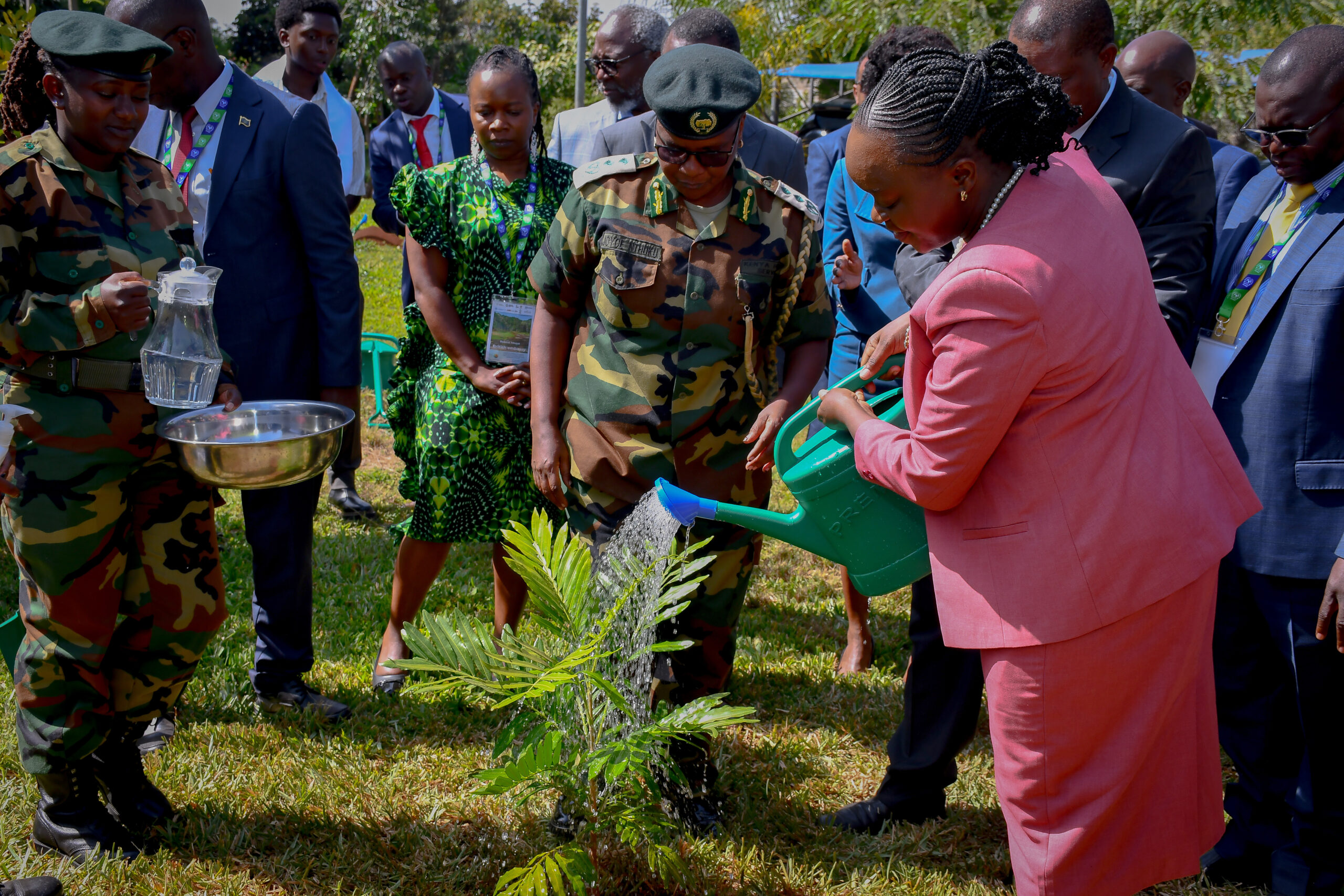
Nairobi, Kenya. Regional leaders and biodiversity experts have called on countries to fast-track ecosystem restoration efforts, stressing that ambitious commitments under the Global Biodiversity Framework must be backed by robust monitoring, reporting and data-driven implementation.
The call was made during the Subregional Workshop on Biodiversity Monitoring and Reporting on January 27, 2026 in relation to Target 2 of the Kunming–Montreal Global Biodiversity Framework (KMGBF), taking place in Nairobi from 27 to 30 January 2026.
The meeting is jointly convened by the Food and Agriculture Organization of the United Nations (FAO), the Regional Centre for Mapping of Resources for Development (RCMRD), and the Secretariat of the Convention on Biological Diversity (CBD).
Opening the workshop, Kenya’s Cabinet Secretary for Environment, Climate Change and Forestry, Dr Deborah Mulongo Barasa, emphasised that ecosystem restoration must translate into measurable and verifiable outcomes.
She noted that while restoration is central to addressing biodiversity loss, climate change and sustainable development, progress cannot be demonstrated without credible monitoring and reporting systems.
She explained that restoration goes beyond environmental recovery, supporting livelihoods, water security, food production and climate resilience. However, she cautioned that without the ability to track results and learn from implementation, restoration pledges risk remaining unfulfilled.
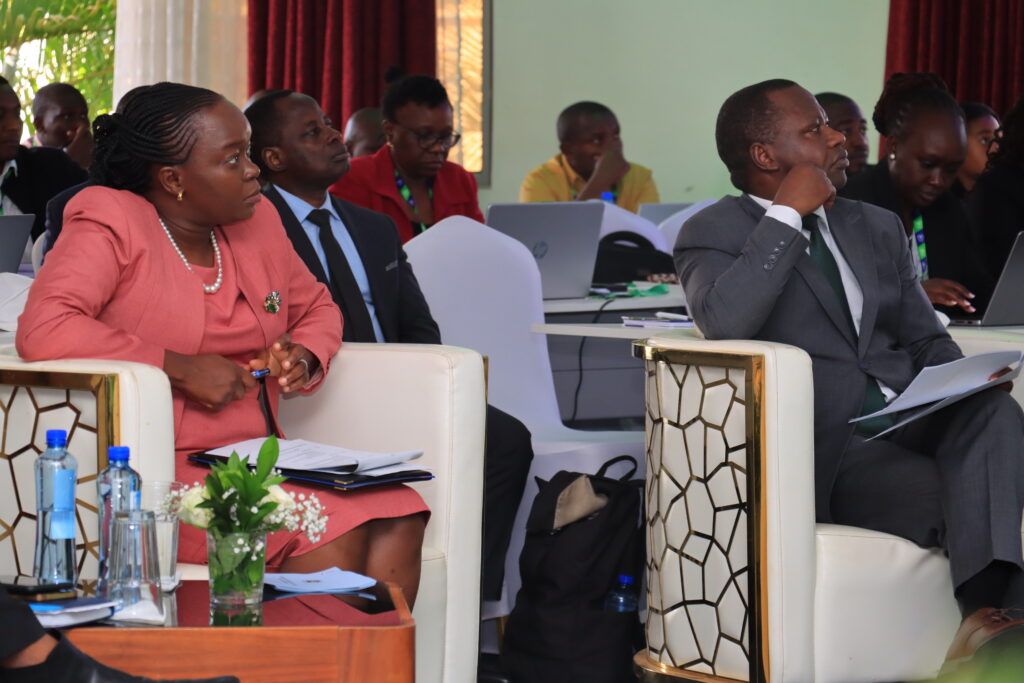
Highlighting the importance of regional collaboration, the Chairperson of the RCMRD Governing Council and Permanent Secretary in Zambia’s Ministry of Lands and Natural Resources, Patrick Mucheleka, said subregional cooperation is key to meeting global biodiversity commitments.
Despite differing national contexts, he observed that countries across the region face similar challenges, including limited data, technical capacity gaps and complex reporting requirements.
In a video message, the Executive Secretary of the Convention on Biological Diversity, Astrid Schomaker, underscored the need for strong partnerships to address the interconnected crises of biodiversity loss, land degradation, climate change and pollution.
She called for a whole-of-government and whole-of-society approach to accelerate implementation of the Global Biodiversity Framework.
The workshop has brought together policymakers and technical experts from 11 countries in Eastern and Southern Africa—Comoros, Eswatini, Ethiopia, Kenya, Madagascar, Rwanda, Somalia, South Sudan, Uganda, United Republic of Tanzania and Zambia.
Discussions focus on advancing Target 2 of the KMGBF, which aims to ensure that by 2030 at least 30 per cent of degraded terrestrial, inland water, coastal and marine ecosystems are under effective restoration.
The meeting also marked the official launch of RCMRD’s role as a Subregional Technical and Scientific Cooperation Support Centre, alongside the establishment of its Steering Committee.
In this capacity, RCMRD will provide coordinated scientific, technical and data-driven support to help countries accelerate KMGBF implementation.
RCMRD Director General, Dr Emmanuel Nkurunziza, said the centre is ready to equip countries with the tools, data and coordination needed to deliver on Target 2.
Participants also included representatives from Africa’s other Subregional Technical and Scientific Cooperation Support Centres—COMIFAC, the Ecological Monitoring Centre (CSE), the Sahara and Sahel Observatory (OSS), and the South African National Biodiversity Institute (SANBI)—underscoring the continent-wide push to strengthen biodiversity restoration monitoring and reporting.
Everyone loves what you guys are usually up too. This kind of clever work and exposure! Keep up the great works guys I’ve you guys to my personal blogroll.