


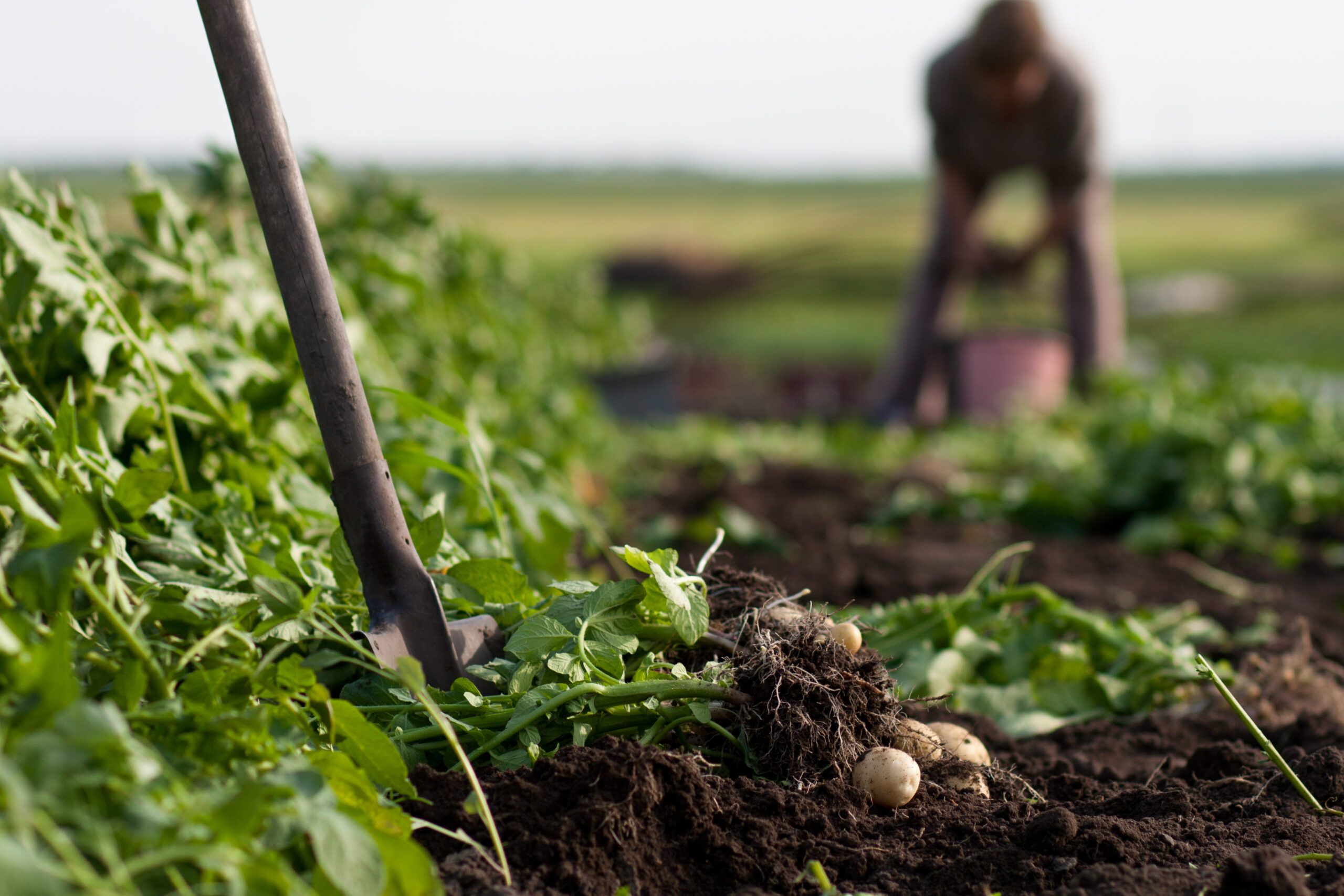
Morogoro. As climate change tightens its grip on rural Tanzania bringing erratic rainfall, rising input costs and repeated crop losses farmers in Pinde village, Langali ward in Mvomero District, are finding relief through agroecological farming, a model increasingly seen as a local response to climate-related loss and damage.
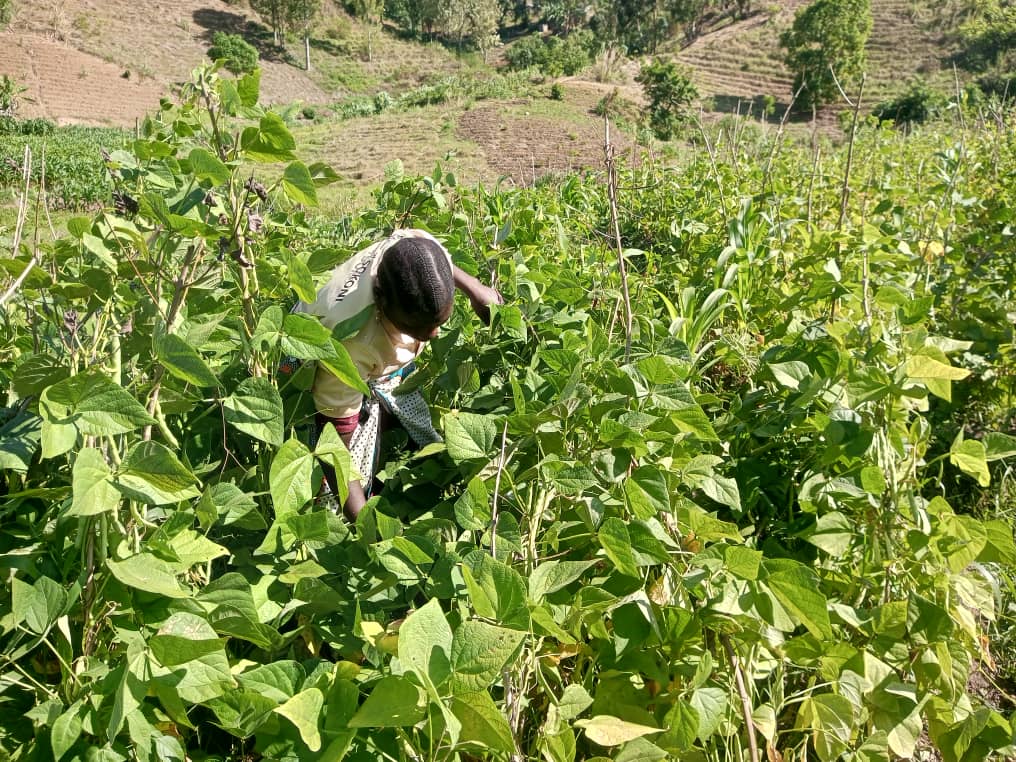
For years, farmers here relied heavily on industrial inputs to grow beans, peas, garlic and tomatoes. While yields sometimes improved, profits remained thin as the prices of fertilisers and pesticides rose sharply, often wiping out gains and exposing farmers to debt and climate risks.
That cycle, farmers say, is beginning to change.
Through training supported by the Baridi Sokoni Project, implemented by the Tanzania Network of Farmers Groups (MVIWATA) with financing from the Global Agriculture and Food Security Programme (GAFSP) and oversight by the African Development Bank (AfDB), farmers in Pinde have adopted agroecological methods that reduce costs while strengthening resilience to climate shocks.
The initiative was coordinated at the local level by the Eastern and Southern Africa Small Scale Farmers Forum (ESAFF).
“We used to spend a lot of money on industrial inputs, but the profits were very small,” said Annamaria Mbiki, a bean farmer in Pinde. “Now we use natural materials that are available in our own environment to protect and nourish crops.”
Mbiki explained that farmers have been trained to prepare organic pesticides and plant boosters using locally available plants, including wild neem, aloe species, chilli, sisal, garlic and other indigenous vegetation. The mixture is prepared and left for 24 hours before application.
“The cost is very low because everything is found here in the village,” she said.
“At the same time, it helps us control pests and grow healthier crops.”
In a climate-vulnerable country like Tanzania, where agriculture employs more than 60 percent of the population and is highly dependent on rainfall such approaches are increasingly viewed as practical responses to climate-induced loss and damage.
Instead of waiting for compensation mechanisms that are still evolving at the global level, farmers are adapting in ways that reduce exposure to future losses.
Mbiki said the new methods have improved yields and opened access to more reliable markets, encouraging farmers to move away from chemical inputs that degrade soils and increase long-term vulnerability.
Theodor Mkude, another farmer in Pinde, said the Baridi Sokoni Project arrived in the village last year in 2024 and has delivered tangible results in a short time.
“The project has brought many changes, especially in production,” he said. “Using natural methods has increased yields and improved our access to markets.”
Mkude said the additional income has enabled him to borrow through his farmers’ group and invest in livestock, including pigs and chickens—an important diversification strategy in the face of climate uncertainty.
“This income helps me support my family, including paying school fees,” he said.
For Jolita Mathias, also a resident of Pinde, the project has transformed household food security. She said that before adopting agroecological practices, harvests were often poor, making it difficult to meet family needs.
“Now I get better harvests,” she said. “The project has also helped us understand proper nutrition and productive farming.”
Such outcomes are significant in the broader loss and damage debate, where developing countries like Tanzania argue that climate change is already eroding livelihoods, especially among smallholder farmers who have contributed little to global emissions.

Agroecology, practitioners say, does not eliminate climate risks, but it reduces dependency on costly external inputs, restores soil health and strengthens farmers’ ability to absorb shocks key elements in addressing non-economic loss and damage, such as food insecurity and livelihood instability.
MVIWATA coordinator Fatma Mwishehe said the Baridi Sokoni Project is being implemented in 17 villages across six wards of Nyandira, Bunduki, Langali, Luwale, Chenzema and Chicheu.
“In Pinde alone, we are working with more than 80 farmers who have adopted agroecological practices, and the results have been very positive,” she said.
Mwishehe added that while productivity has increased, the next challenge is improving farm-gate prices so that farmers can fully benefit from their efforts.
“This project has shown that agroecology increases production,” she said. “Now we are working to ensure better prices so farmers gain more economically.”
As global negotiations continue on funding mechanisms for loss and damage, the experience of Pinde village highlights how locally driven solutions can turn climate adversity into opportunity offering a Tanzanian example of resilience built from the ground up.
I loved as much as you’ll receive carried out proper here. The cartoon is attractive, your authored subject matter stylish. however, you command get bought an shakiness over that you wish be turning in the following. unwell for sure come more formerly again since precisely the same nearly a lot ceaselessly within case you defend this hike.