


By Jenifer Gilla
Dar es Salaam. Just two years ago, Simu2000 Market in Ubungo Municipality was marked by piles of rotting waste, clogged drainage and a persistent stench, conditions common in many fast-growing urban centres.
Today, the market is emerging as a model of circular economy, demonstrating how organic waste can be transformed into valuable resources while cutting greenhouse gas emissions.
The transformation comes as Dar es Salaam faces mounting waste management challenges.
A 2020 report by National Environment Management Council estimates the city generates about 400,000 tonnes of waste each month, with only around 30 percent collected and transported to the Pugu Kinyamwezi dumpsite. The rest often ends up in rivers, drainage systems and the Indian Ocean.
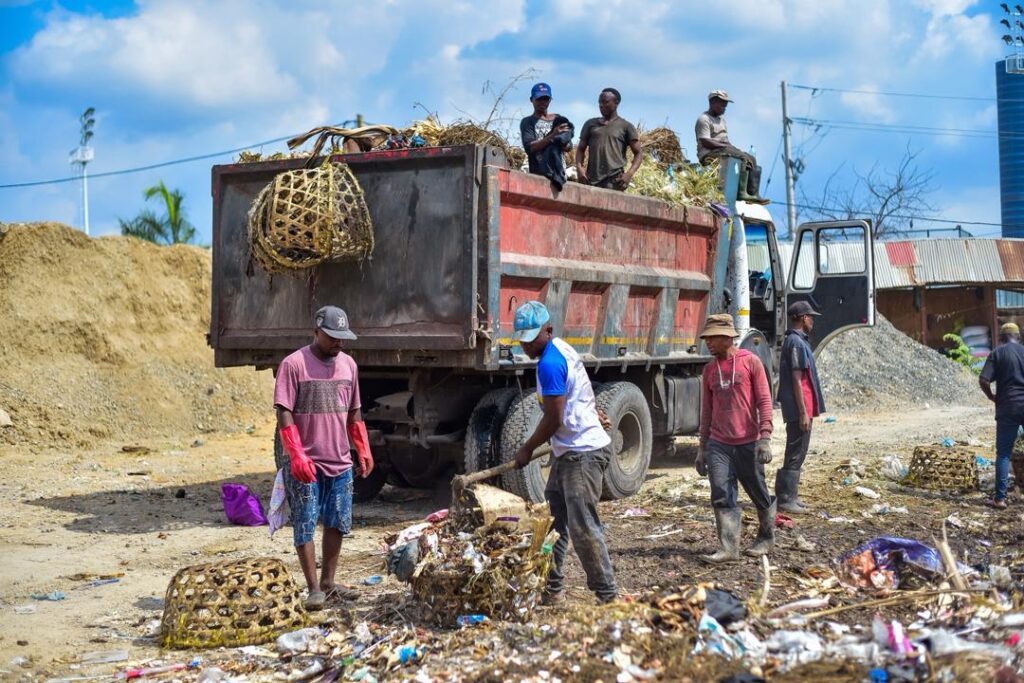
Photo Credit: Nipefagio
Waste and climate pressures
Globally, poor waste management is a major contributor to methane emissions, a greenhouse gas significantly more potent than carbon dioxide in the short term. According to United Nations Environment Programme, organic waste in landfills accounts for a substantial share of human-caused methane emissions, making improved waste handling a critical climate intervention.
At Simu2000, a zero-waste initiative is tackling both sanitation challenges and climate risks.
“We are reducing greenhouse gas emissions such as methane, while improving environmental conditions and public health,” said Mariam Shadrack, a zero-waste mobilisation officer and project coordinator.
Sorting waste at source
The market, which hosts more than 200 traders, generates about 25 tonnes of waste each week, more than 80 percent of it organic. Previously, this waste was transported directly to dumpsites, contributing to pollution and health risks.
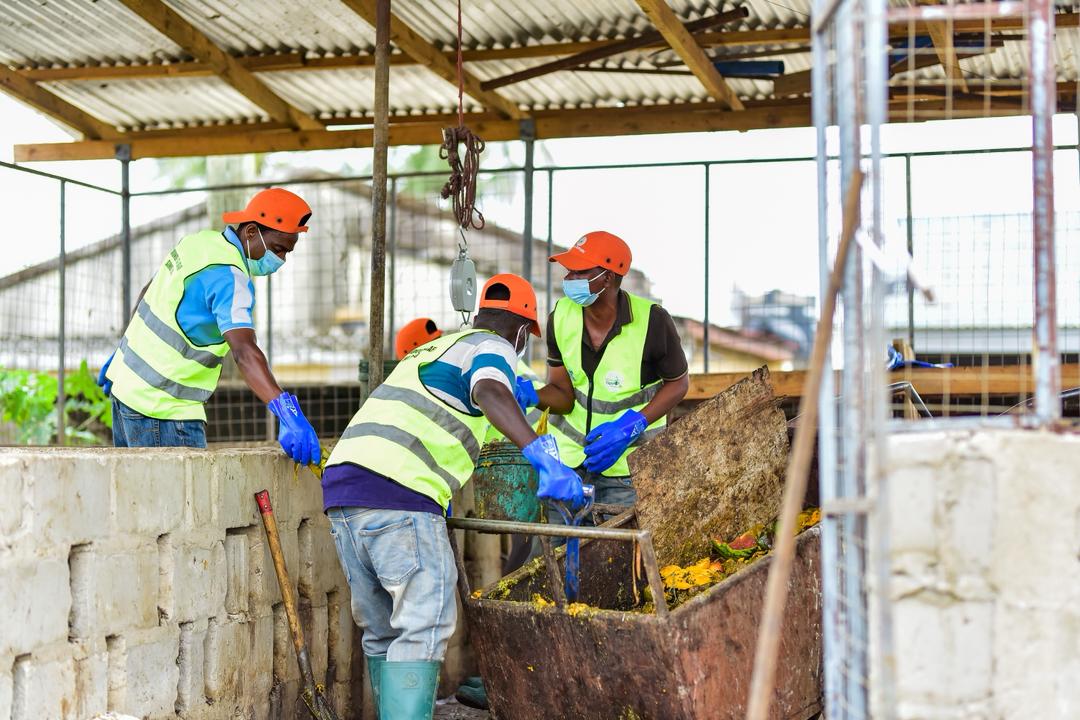
Under the new system, traders are trained to separate waste at source. Collection points have been installed across the market, with between 800 kilogrammes and one tonne of organic waste collected daily and processed at an on-site composting facility.
The impact is significant. About 75 tonnes of organic waste are diverted from dumpsites each month. Of this, 45 tonnes are processed into animal feed, while 30 tonnes are converted into compost. Monthly waste management costs have dropped from Sh5 million to Sh1.8 million.
Project data also show methane emissions linked to decomposing waste have been reduced by 74.7 percent.
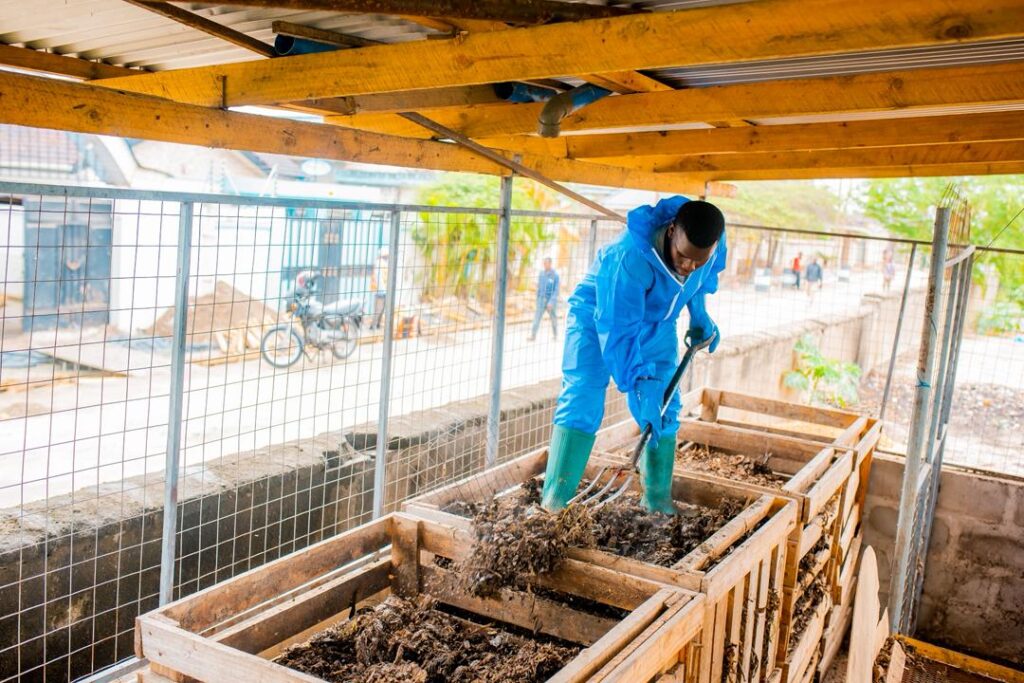
Photo Credit: Nipefagio
Livelihoods and dignity
For sanitation workers, the initiative is not only improving the environment but also creating economic opportunities.
“I used to do basic cleaning work, but now I have gained skills in waste sorting and processing,” said Nyumbaniki Madohola, a worker at the market. “I earn a monthly salary of Sh100,000 from the municipality and about Sh20,000 per week from selling recycled waste.”
Ubungo Municipal Mayor Laurence Mlaki said the project aligns with the council’s “Say No to Waste” campaign.
“We are witnessing a shift in mindset. Waste is no longer seen as a burden but as a resource,” he said.
Expanding impact
According to Lawi Benard, head of the municipality’s solid waste management department, processing waste at the source has reduced transport, fuel and labour costs.
“Previously, all waste had to be transported to the dumpsite. Now much of it is treated here,” he said.
The approach is also influencing surrounding communities. Waste contractor Haji Adam, who operates in Goba, Gova Center, Mji Mpya and Msigani, said increased awareness and waste separation practices are changing how collection is done.
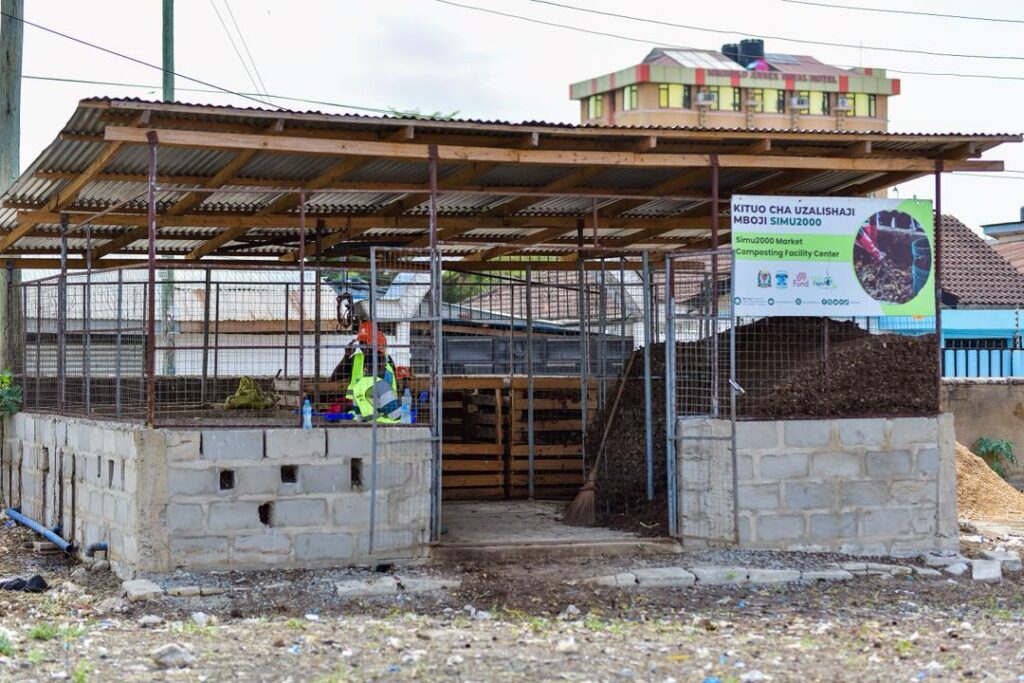
Photo Credit: Nipefagio
“We are now collecting less waste that goes to the dumpsite because more is being sorted at source,” he said. “This reduces delays, lowers transport risks and allows us to work more efficiently.”
However, he noted that limited equipment remains a challenge.
“We already have enough raw materials from the waste we collect, but we need support, especially machinery, to expand this into a sustainable business,” he said.
Need for investment and policy
Environmental experts say scaling such initiatives will require stronger policy support and investment.
Gibson Mkenda, an environmental engineer and manager at Mabwepande Compost Management, said waste can generate value if properly managed.
“Poorly managed waste has serious environmental impacts, but with the right systems, it can produce animal feed, fertiliser and even carbon credits,” he said.
He added that replicating the Simu2000 model across the city will depend on sustained financing, infrastructure and public participation.
Supporting agriculture and resilience
Beyond waste management, the initiative is supporting agriculture through compost production. Farmers are being trained to use organic fertiliser as an alternative to chemical inputs, helping to improve soil health.
Edith Chilongani, the municipality’s head of agriculture, said farmers are being linked with compost producers, including those at Simu2000.
At the market, behavioural change is already evident, with about 85 percent of traders now separating waste at source a key factor behind the project’s success.
Anna Rocha, director of the non-profit Nipe Fagio, said the initiative reflects strong collaboration among stakeholders.
“We started with a simple idea to turn organic waste into compost,” she said. “Today, we have created jobs, reduced emissions and improved sanitation.”
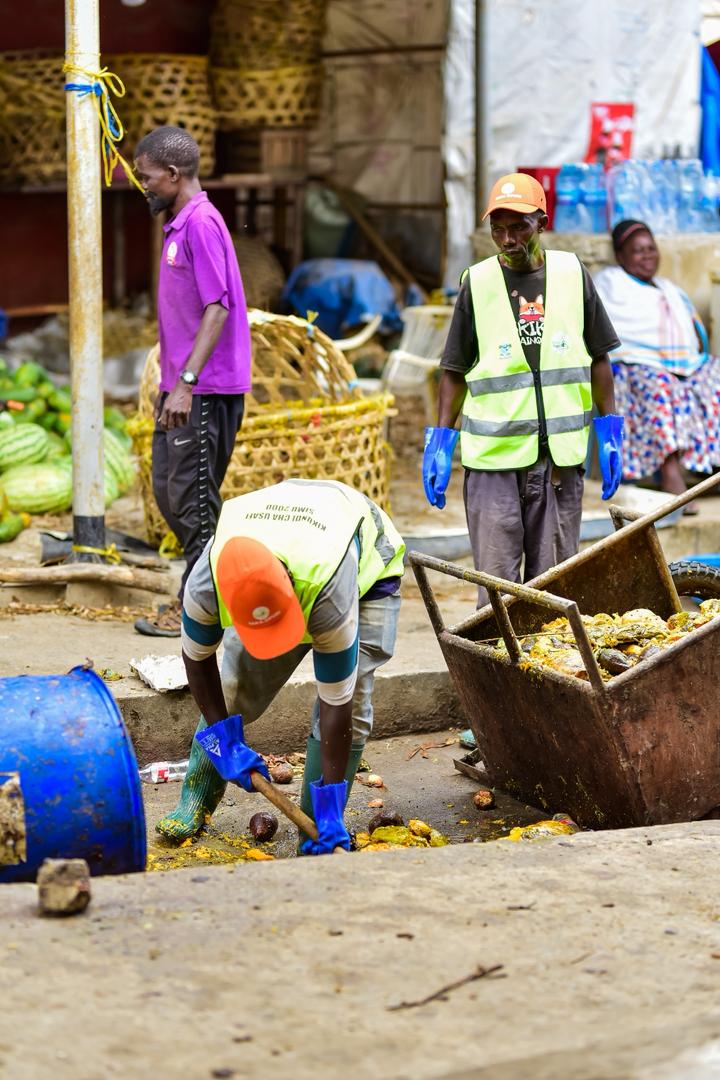
Photo Credit: Nipefagio
A model for growing cities
The zero-waste model, first introduced in 2019 in areas including Bonyokwa, Ilala, Zanzibar and Arusha, is now expanding within Ubungo Municipality, with plans to extend it to the Msimbazi Valley.
For Simu2000 Market chairperson Swalehe Mgwai, the change is clear.
“We used to live with bad odours and polluted air. Now the environment is clean, and waste has become something we can sell,” he said.
As cities across Africa face rising waste volumes and climate pressures, the Simu2000 experience offers practical lessons on how local solutions can deliver environmental, economic and public health benefits if backed by investment and sustained community engagement.