


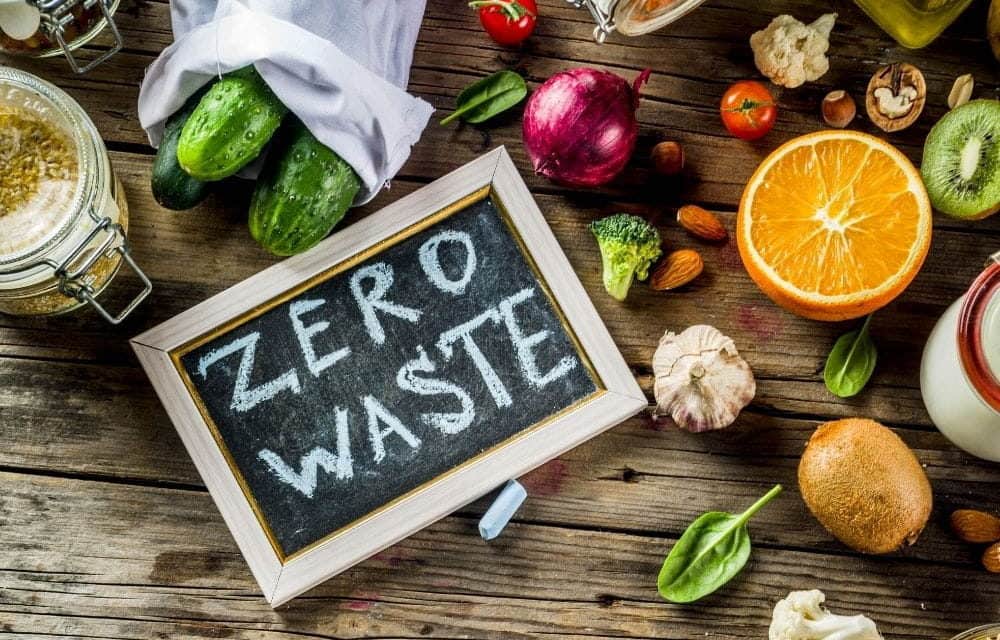
Nairobi/New York. The world is grappling with a growing waste crisis driven by unsustainable production and consumption, with global municipal solid waste estimated at up to 2.3 billion tonnes annually.
This year’s International Day of Zero Waste, marked on March 30, places food waste at the centre of global attention, highlighting its impact on the environment, economies and food systems.
The observance was established following a 2022 United Nations General Assembly resolution led by Türkiye and more than 100 Member States, and is jointly facilitated by United Nations Environment Programme and UN-Habitat. Since 2023, it has been observed annually to promote sustainable consumption and production practices.
Scale of the crisis
Despite widespread hunger, more than one billion tonnes of food are wasted globally each year—equivalent to 19 percent of food available to consumers. An additional 13 percent is lost between harvest and retail.
Households account for the largest share of food waste at 60 percent, followed by food service at 28 percent and retail at 12 percent. Globally, households waste more than one billion meals every day.
Climate and economic costs
Food loss and waste are a major contributor to climate change, accounting for between 8 and 10 percent of global greenhouse gas emissions. Food waste alone generates up to 14 percent of methane emissions—a gas far more potent than carbon dioxide over the short term.
Beyond environmental impacts, food waste costs the global economy about $1 trillion annually and places additional pressure on land, water and energy resources used in food production.
António Guterres said the crisis requires action at all levels.
“This year’s International Day of Zero Waste spotlights the mounting food waste crisis and calls on each of us to take action,” he said, urging consumers, businesses, cities and governments to adopt practical solutions.
Inger Andersen noted that reducing food waste offers multiple benefits.
“In a time of climate change, deforestation and rising food prices, we cannot afford to waste resources on food that is not consumed,” she said. “Reducing food waste delivers real methane cuts, supports food security and makes economic sense.”
Cities and systems at the forefront
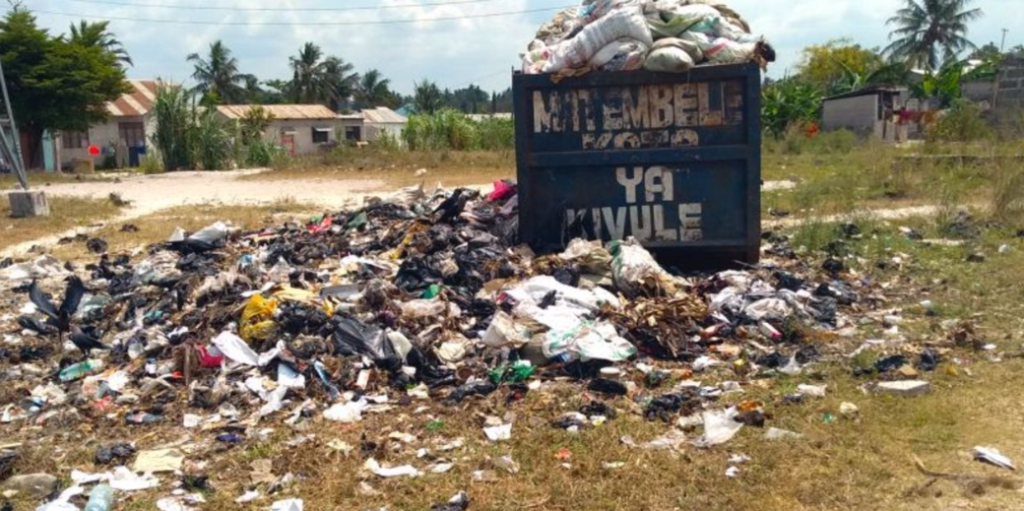
Anacláudia Rossbach said cities play a critical role in tackling food waste by integrating food systems, water services and waste management.
“Cities that recover surplus food and turn organic waste into compost or energy are creating circular systems that save money, cut emissions and generate jobs,” she said.
She also highlighted the role of informal workers, waste pickers and community actors in building inclusive and sustainable urban systems.
Global initiatives and partnerships
To accelerate action, UNEP and UN Tourism launched the “Recipe of Change” initiative, aimed at helping hospitality businesses measure and reduce food waste. Major global companies, including Accor, Hilton and TUI Group, have joined the effort, representing billions of dollars in annual revenue and hundreds of millions of customers.
Events to mark the day were held across multiple cities, including Nairobi, Geneva, Brasília and Osaka, focusing on practical solutions ranging from household behaviour change to system-wide interventions.
In addition, 20 cities were recognised under the “Cities Towards Zero Waste” initiative for demonstrating innovative approaches to waste reduction and circular economy practices.
Progress and gaps
Some countries are showing that large-scale reductions are possible. Japan has reduced food loss and waste by 53 percent since 2000, while the United Kingdom has achieved a 22 percent reduction since 2007 through policy action and behavioural change.
However, many countries, including several G20 economies, still lack reliable data systems to track progress towards halving food waste by 2030—highlighting a major gap in global efforts.
Path to 2030
Through initiatives such as the Food Waste Breakthrough, launched at the 2025 UN Climate Conference in Brazil, the global community aims to halve food waste by 2030, cut methane emissions and build more resilient, circular food systems.
As the world marks the International Day of Zero Waste, the message is clear: reducing food waste is not only an environmental necessity, but also a pathway to food security, economic savings and sustainable development.