


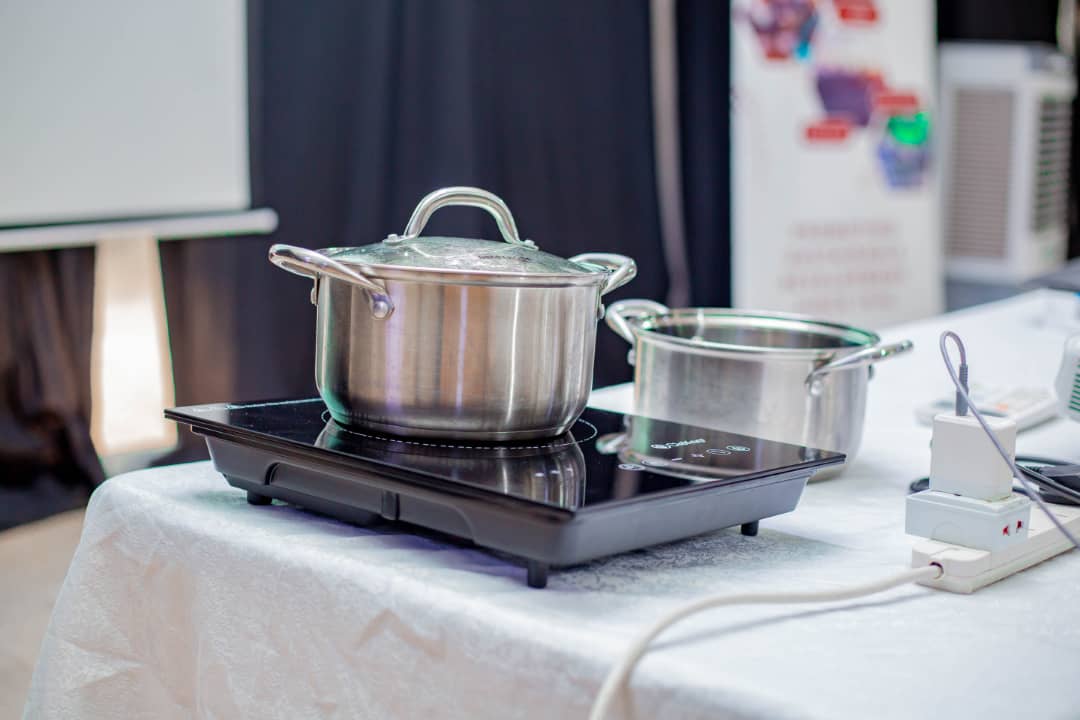
Dar es Salaam. As the Government targets having four out of five Tanzanians using clean cooking energy by 2034, stakeholders in the sector have expressed commitment to support implementation through the introduction of modern, technology-enabled cookstoves for low-income households.
The initiative aims to reduce health and social impacts associated with the long-standing use of unclean cooking fuels such as firewood and charcoal, which remain dominant, particularly in rural areas.
The Government, through the Ministry of Energy, says the introduction of electric cookstoves equipped with Internet of Things (IoT) technology is intended to lay the foundation for a transition away from traditional cooking fuels.
Speaking at the launch of the cookstoves in Dar es Salaam, an event organised by CEFA in collaboration with Clean Cooking Technologies S.R.L. (CCT), the Director of Clean Cooking Energy at the Ministry of Energy, Mr Nilasco Mlawi, said the initiative would significantly reduce reliance on unclean energy sources.
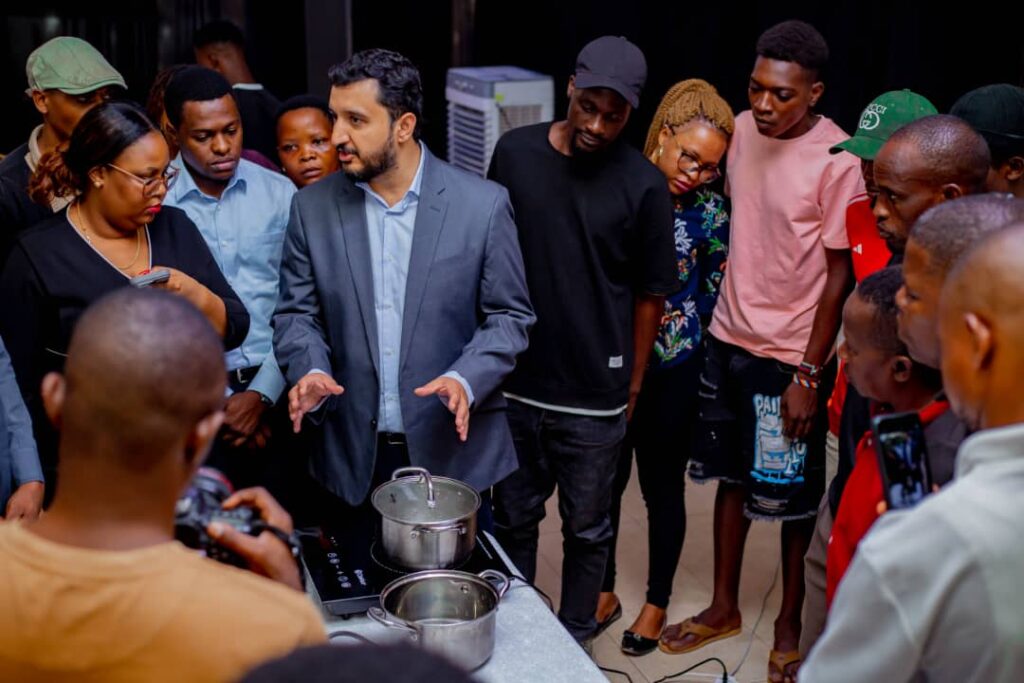
“These modern electric cookstoves, which will see 150,000 units distributed by 2027, will help realise the national goal of achieving 80 percent clean cooking energy use by 2034,” Mr Mlawi said.
He added that the ministry fully supports the initiative by CCT and CEFA, noting that the high cost of clean cooking technologies has been a major barrier for many households.
“When stakeholders like these come in with affordable solutions, it becomes much easier for households to adopt clean energy. That is why, as a ministry, we strongly support this initiative,” he said.
The partners behind the project say their focus is on reaching low-income households and enabling them to transition to clean cooking energy, with the Government providing the necessary support.
Speaking at the event, Mr Saad Zaheer of CCT said the cookstoves are designed to support low-income families by reducing dependence on firewood and charcoal.
“Our goal is to reduce harmful emissions that damage the environment while ensuring that low-income households benefit from this project. In the first phase, we will reach 5,000 households, but the project will scale up depending on demand,” he said.
Mr Zaheer added that the stoves will be paid for through flexible instalment plans, making them affordable and accessible to households that might otherwise struggle to cover upfront costs.
From the Prime Minister’s Office Regional Administration and Local Government (PM-Ralg), Mr Rogasian Lukoa from the Department of Economic and Productive Sectors Coordination said public awareness and mindset change are critical in shifting from unclean to clean energy.
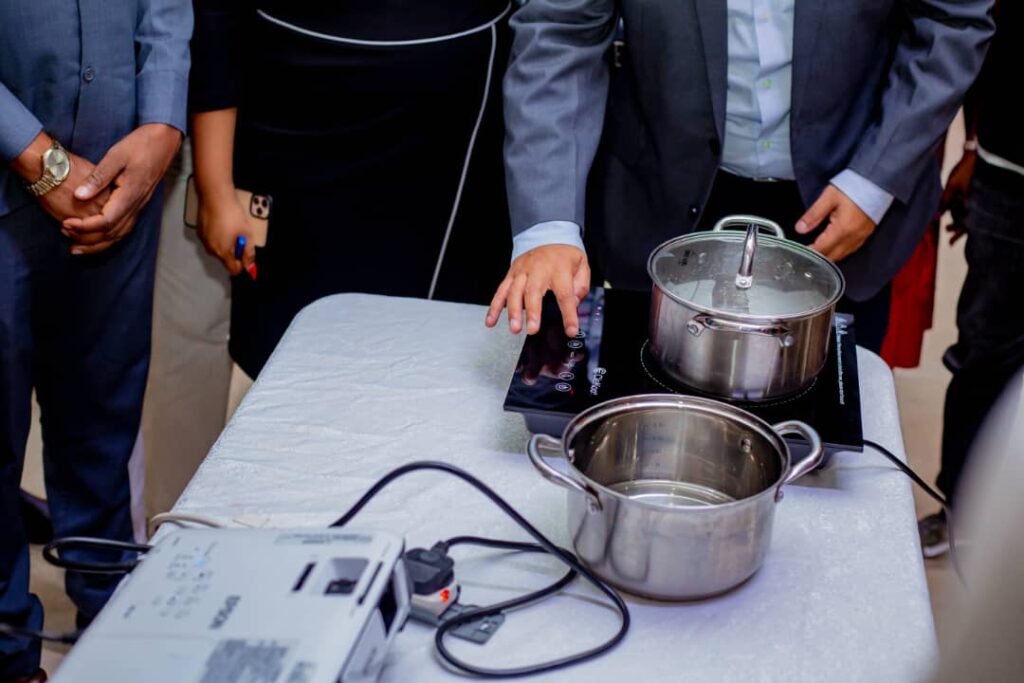
“One of our key responsibilities is mobilisation. The introduction of these modern, technology-driven cookstoves is a positive step towards encouraging citizens to move away from firewood and charcoal,” he said.
Beneficiaries of the initiative have also welcomed the project. Ms Tendeni Serenge of Mbagala said that when she relied on charcoal, preparing meals for her children was often difficult due to its limited availability.
“This electric cookstove is affordable. You pay Sh50,000 upfront and then complete the remaining Sh35,000 in instalments over three months. It also uses very little electricity and lasts a long time,” she said.
Another Dar es Salaam resident, Mr Stratoni Shayo, said electric cookstoves are far better than firewood, which he described as harmful to health, particularly the eyes.
Meanwhile, the CEFA Representative in Tanzania, Ms Cinzia D’Intino, said clean cooking is not just about technology, but also about collaboration.
“Starting with stakeholder consultations helps ensure that the project is feasible, impactful and sustainable, while reflecting the priorities and realities of the communities we aim to serve,” she said.
It’s actually a nice and useful piece of information. I am glad that you simply shared this helpful info with us. Please stay us informed like this. Thank you for sharing.