



Dar es Salaam. African countries have been urged to prioritise investment in water and sanitation infrastructure as a key strategy for tackling environmental challenges, improving economic productivity and strengthening resilience against climate change.
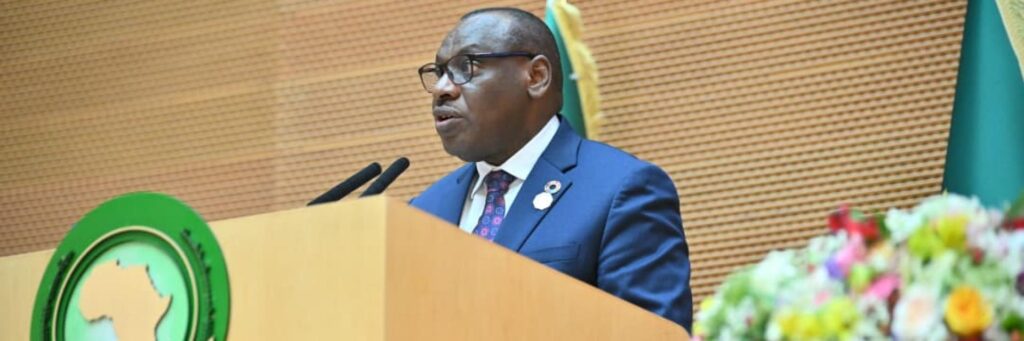
Speaking during the 48th Ordinary Session of the Executive Council of the African Union, the United Nations Under-Secretary-General and Executive Secretary of the Economic Commission for Africa (ECA), Mr Claver Gatete, warned that climate change and shifting global economic conditions are forcing the continent to rethink its development model.
Mr Gatete said Africa is meeting at a time when global growth is slowing, trade tensions are rising and development assistance is declining, creating mounting pressure on countries already facing environmental vulnerabilities.
“As we speak, global growth is slowing, trade tensions are intensifying and supply chains are being reorganised,” he said, noting that the cost of capital has also risen, making it harder for African countries to finance infrastructure and climate adaptation initiatives.
He added that these challenges are further complicated by worsening security situations and persistent climate change impacts, which continue to threaten livelihoods and natural resources across the continent.
According to him, the global economic system is shifting towards industrial competition and strategic control of natural resources, forcing African countries to adopt more self-reliant development strategies.
“For decades, developing countries relied on an external model of exporting raw commodities and importing manufactured goods while financing development through concessional flows. That model is no longer viable,” he said.
Climate change intensifying water crisis
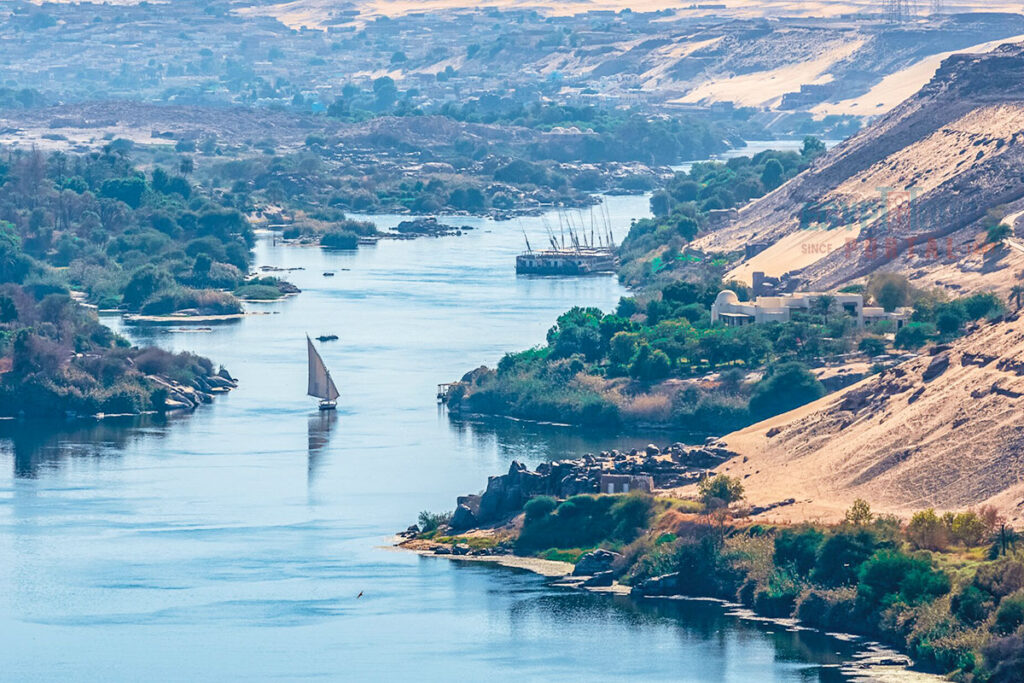
Mr Gatete emphasised that water security has emerged as one of the most critical environmental and economic challenges facing Africa, especially as climate change disrupts rainfall patterns and increases the frequency of droughts and floods.
He said the African Union’s theme of the year, which focuses on ensuring sustainable water availability and safe sanitation systems under Agenda 2063, reflects the urgency of addressing water-related challenges.
“Water and sanitation are not merely social services but economic infrastructure,” he said.
Across Africa, more than 300 million people lack access to safe drinking water, while approximately 780 million people do not have adequate sanitation services.
Data from the World Health Organisation shows that water-related diseases such as cholera, diarrhoea and typhoid cause about 115 preventable deaths every hour in the African region.
Mr Gatete noted that beyond the health burden, poor water systems also undermine economic productivity and environmental sustainability.
He explained that unreliable water supply discourages investment, increases healthcare costs and reduces labour productivity, particularly in sectors such as agriculture and manufacturing that depend heavily on water.
“Factories require reliable water supply, agro-processing requires irrigation and cities require sanitation systems to function productively,” he said.
He added that the availability of water increasingly influences decisions on the location of industries, industrial parks and urban development projects.
Infrastructure gaps slowing climate resilience
Mr Gatete pointed out that Africa continues to face serious structural financing challenges that limit its ability to build climate-resilient infrastructure.
Currently, only three African economies have investment-grade credit ratings, while five are close to achieving that status. Meanwhile, 19 countries have never been rated, increasing borrowing costs for development projects.
He warned that expensive financing delays infrastructure development, which in turn constrains production capacity and slows industrialisation.
“When finance is expensive, infrastructure is delayed. When infrastructure is delayed, production is constrained. And when production is constrained, industrialisation stalls,” he said.
Despite these challenges, Mr Gatete said Africa holds enormous environmental and economic potential, including vast land, abundant renewable energy resources, critical minerals and a youthful workforce.
However, he questioned whether the continent has built economic systems capable of transforming these natural resources into sustainable value while protecting the environment.
Regional trade seen as climate-smart solution
Mr Gatete stressed that strengthening regional value chains through the African Continental Free Trade Area (AfCFTA) could help African countries shift from exporting raw materials to producing higher-value goods.
He said processing minerals, agricultural produce and green minerals within Africa would not only strengthen industrial growth but also reduce environmental damage associated with exporting unprocessed resources.
“In this respect, the African Continental Free Trade Area represents Africa’s foremost development platform, enabling production at scale and competitive industries within our continental market,” he said.
He explained that as global trade becomes increasingly fragmented, regional economic integration will help Africa build resilient and climate-friendly industries.
Five priorities for sustainable development
Mr Gatete outlined five key priorities African countries should adopt to address environmental challenges while promoting economic transformation.
The first priority, he said, is strengthening domestic resource mobilisation and improving public financial management to reduce dependence on external financing.
He noted that Africa’s tax-to-GDP ratio stands at about 16 percent, compared to 34 percent in the European Union, limiting governments’ ability to invest in climate adaptation and environmental infrastructure.
He encouraged African countries to adopt innovative financing mechanisms such as green bonds, blue bonds and blended finance to support sustainable infrastructure, including water systems.
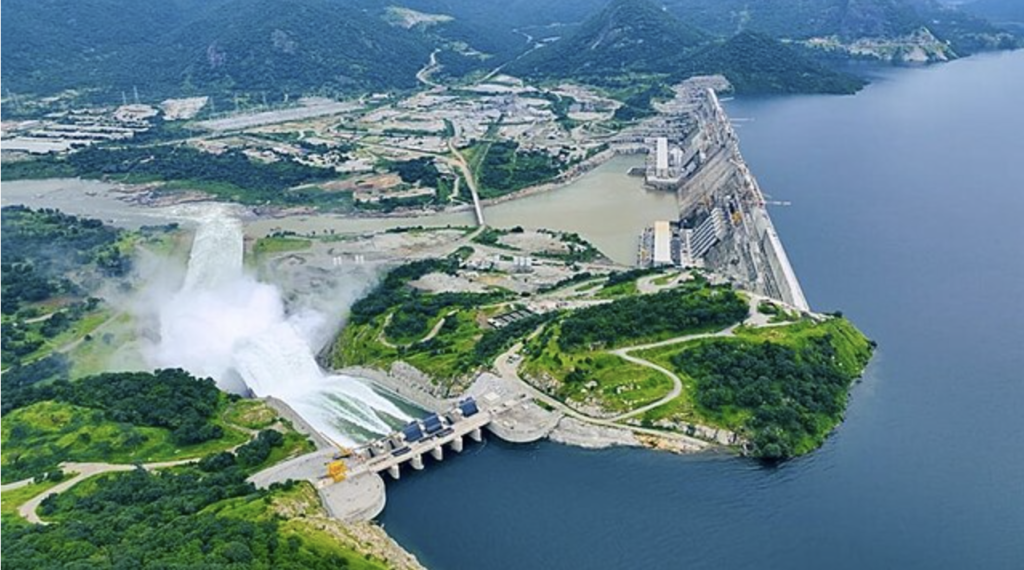
The second priority is investing in integrated infrastructure planning, ensuring that water systems are developed alongside transport networks, ports, energy supply and digital infrastructure.
Mr Gatete said such coordinated planning would enable industrial parks, logistics hubs and urban centres to operate efficiently and sustainably.
The third priority involves accelerating value addition through regional production networks under the AfCFTA framework to reduce reliance on raw commodity exports.
Fourth, he called for deeper market integration through the removal of tariff and non-tariff barriers and the harmonisation of standards to promote cross-border trade and sustainable industrialisation.
The fifth priority focuses on harnessing technology and data systems as essential infrastructure for environmental and economic planning.
He said digital platforms and artificial intelligence can improve tax collection, logistics management, infrastructure maintenance and climate monitoring.
Call for coordinated continental action
Mr Gatete concluded by stressing that Africa possesses the natural resources, population growth and market potential needed to achieve sustainable development and environmental resilience.
However, he said success will depend on coordinated efforts linking financing, infrastructure, industry and trade.
“If we finance our infrastructure, integrate our markets, add value to our resources and trade more with each other, Africa will not just participate in the global economy; it will help shape it,” he said.
He reaffirmed ECA’s commitment to supporting African countries in building climate-resilient and environmentally sustainable economies in partnership with the African Union and regional institutions.