


By Jenifer Gilla
Dar es Salaam. As cities grapple with mounting piles of rubbish and shrinking landfill space, zero waste initiatives are gaining attention as a practical solution that turns trash into opportunity. By reducing waste at source and promoting reuse and recovery, the approach protects the environment, improves public health and creates new economic pathways.
It is within this context that Mazingira Plus Institute, in partnership with Partners for Klimer and Nature (PKN) and other environmental stakeholders, is set to implement the second phase of its Zero Waste Project in six schools in Dar es Salaam.
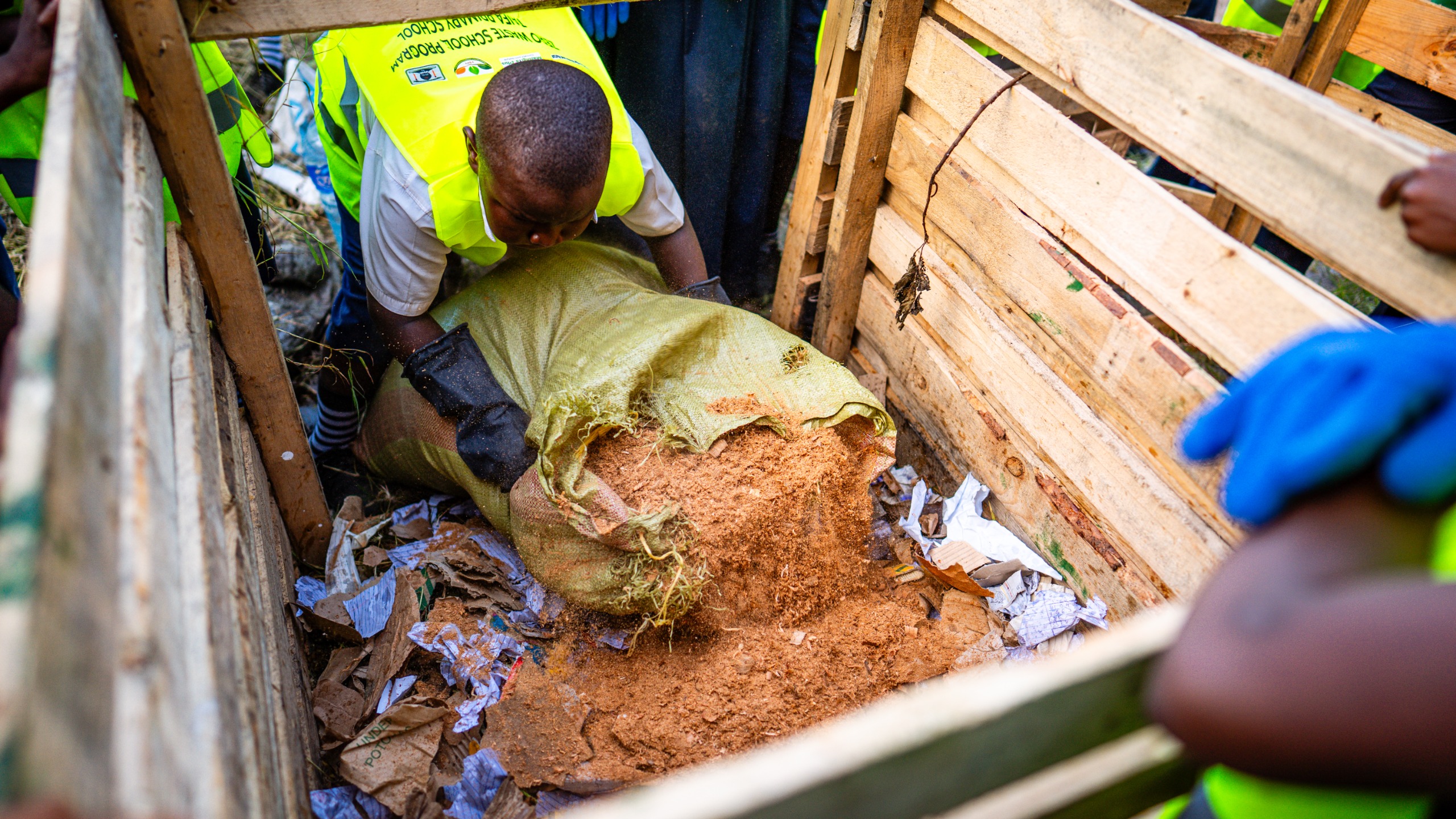
The initiative is expected to benefit about 1,200 students through hands-on training on how to turn waste into economic opportunities while improving hygiene and health in school environments.
Mazingira Plus Project Coordinator Suleiman Mang’oro said the project’s core objective is to reduce by 80 percent the volume of waste sent to landfills.
“Studies show that about 70 percent of waste generated in Tanzania can be recycled or transformed into valuable products if it is properly managed from the source,” he said.
He explained that the project focuses on instilling behaviour change among children at an early age, preparing them to become future leaders capable of developing and enforcing strong environmental conservation policies.
The initiative aligns with Tanzania’s National Development Vision 2050 and promotes the circular economy within the education sector. Through the Refuse, Reduce, Reuse, Recycle and Recover (5R) approach, students and teachers will be empowered to minimise waste generation through better design, responsible consumption and efficient use of resources in schools.
Participating schools like Pugu Secondary, Buza Secondary, Nguva Secondary, Temeke Secondary, Mbweni Secondary and Buguruni Viziwi Primary will be equipped with user-friendly infrastructure for separating plastic, paper, hazardous and organic waste.
“Organic waste will be converted into compost and animal feed, which will either be used in school gardens or sold to generate income,” Mr Mang’oro said.
Mazingira Plus Chief Program Coordinator Ramadhani Mwakaya said the Zero Waste Project is a long-term, 10-year initiative implemented in collaboration with Temeke, Kigamboni and Kinondoni municipal councils, alongside institutions including TCCI Mazingira.
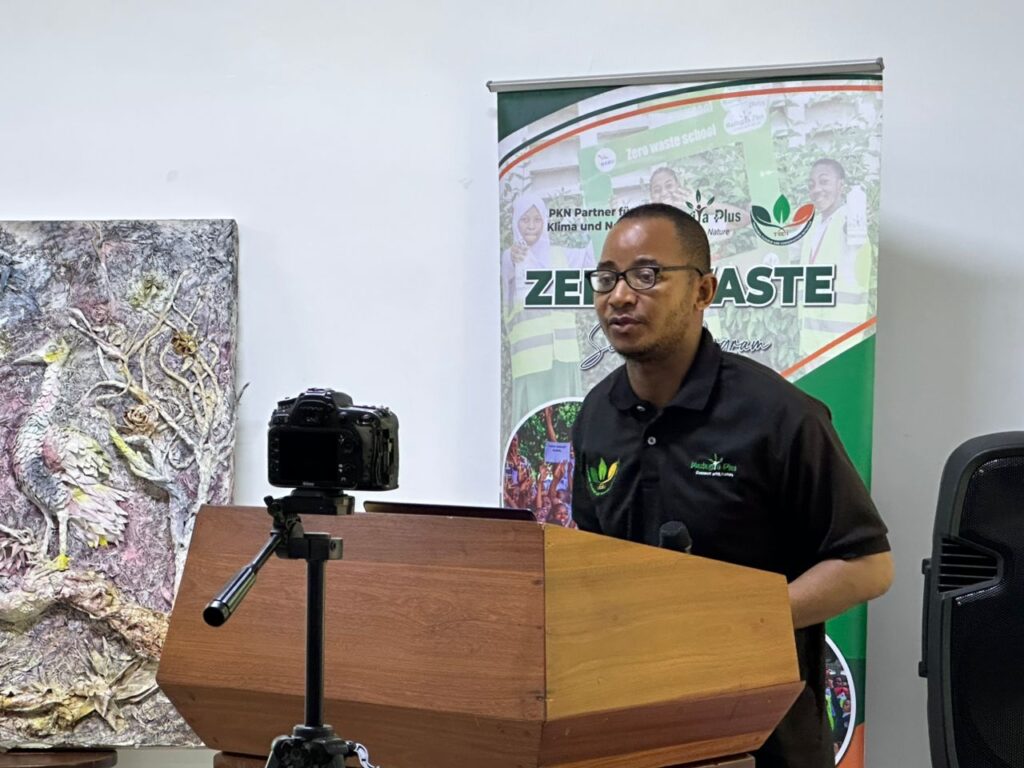
He said the current phase is funded by PKN with a grant of €45,000 (Sh131.5 million) and covers all six schools. It also includes curriculum development and the engagement of environmental experts, teachers and municipal environmental officers.
The project comes at a time when waste generation is rising rapidly. World Bank data (2018) show that global waste is projected to increase from 2.1 billion tonnes to 3.8 billion tonnes by 2050, a trend expected to intensify climate change impacts, ecosystem degradation and health risks.
In Tanzania, between 12 and 17.4 million tonnes of waste are generated annually, but only about 50 percent is properly collected, according to 2021 data. The remainder is disposed of indiscriminately, posing risks to the environment and human health, including respiratory diseases and cancer linked to long-term exposure.
Dar es Salaam alone generates about 5,000 tonnes of waste per day, underscoring the importance of zero waste education, particularly in schools.
Buguruni Ward Education Officer Ayoub Mohamed said the programme would help reduce waste generated in schools, especially food waste and paper, while making learning environments safer for students.
Kigamboni Municipal Adult Education Officer Edson Auson said children are a powerful driver of social change. “When children are educated, they transfer that knowledge to their parents and the wider community, making schools a mirror of society,” he said.
Buguruni Ward Health Officer Rahma Nassoro noted that despite ongoing environmental hygiene education, challenges remain, and the project would strengthen community outreach.
Buza Secondary School teacher Kavuli Mushi described waste as a challenge both at school and at home, and called for the programme to be scaled up nationwide for broader public health benefits.
Kinondoni Municipal Environmental Officer Albarn Lugyambuso said each person generates about 0.1 kilogramme of waste per day, warning that without deliberate control measures, the situation would worsen. He added that about 80 percent of waste is organic and can be converted into compost, animal feed and jobs for young people, while also reducing methane emissions.
The project has already demonstrated positive outcomes. Beneficiary Vedasto Emanuel said the training enabled him to make interior decorations from waste paper, allowing him to earn income while he was a student at Kibasila Secondary School.
Now an economics student at the Institute of Finance Management (IFM), he said he continues with his artistic work alongside his studies, highlighting the long-term economic potential of zero waste education.