



Nairobi, Kenya. As the world grapples with intensifying climate change, biodiversity loss and pollution, the United Nations Environment Assembly (UNEA-7) is being positioned as a critical platform for united, inclusive and solutions-oriented multilateral action.
Speaking ahead of the Assembly, United Nations Environment Programme (UNEP) Executive Director Inger Andersen underscored the urgency of the moment, describing a world facing accelerating environmental crises that spare no nation.
“Rising emissions are fuelling record heatwaves. Nature and ecosystems are vanishing. Toxins are polluting our air, water and soil. These are global threats that demand global solutions,” said Ms Andersen during a media briefing in Nairobi.
UNEA-7, which will take place from December 8 to 12 at the United Nations Offices in Nairobi (UNON), is expected to bring together more than 3,500 delegates, including over 55 ministers from across the world.
Nineteen draft resolutions and decisions have already been submitted for negotiation, touching on critical areas such as artificial intelligence (AI), minerals and metals, wildfires, the hydrological cycle, biodiversity and pollution.
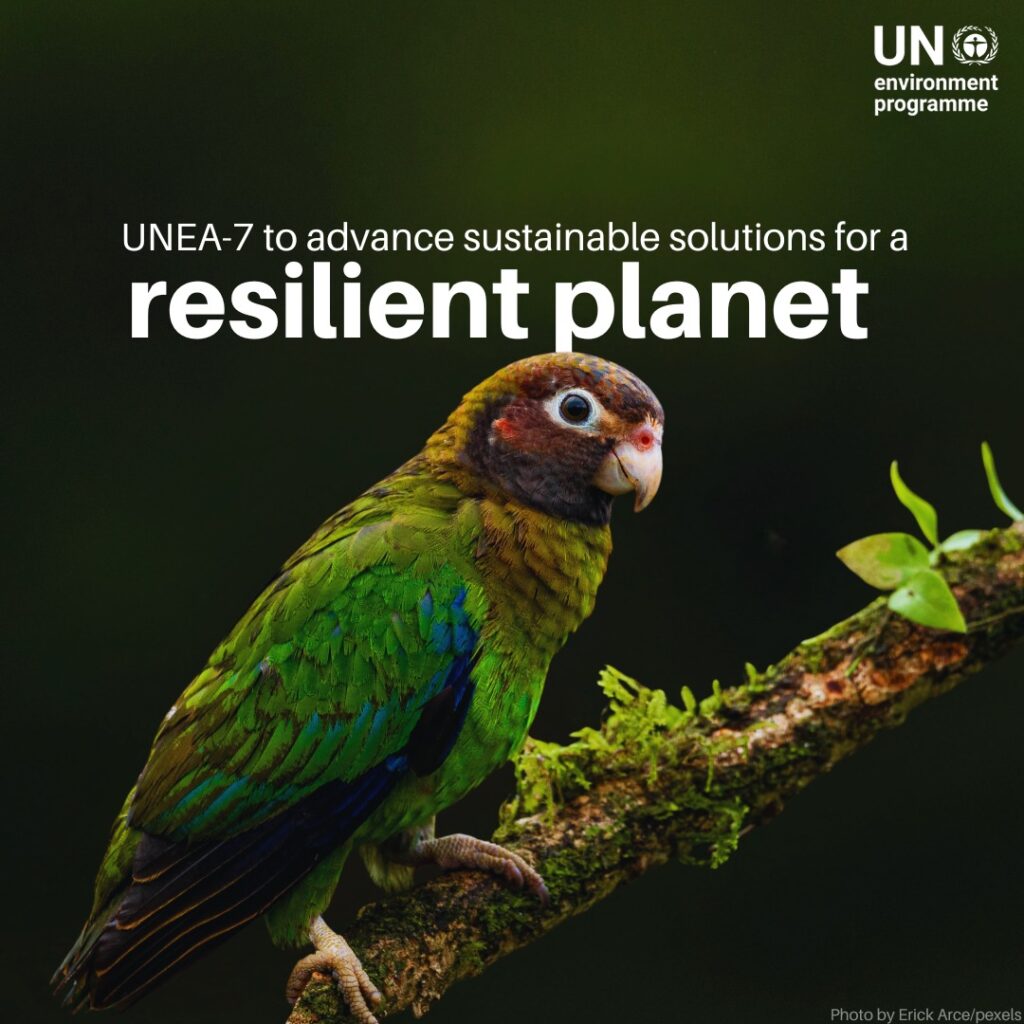
Held under the theme “Advancing Sustainable Solutions for a Resilient Planet”, the gathering comes at what UNEP describes as a fragile geopolitical moment. Yet Andersen insisted that environmental multilateralism has continued to deliver progress since the last Assembly held in February 2024.
Among the landmark achievements she cited is the establishment of the Intergovernmental Science-Policy Panel on Chemicals, Waste and Pollution, completing what UNEP refers to as the “trifecta” of global science bodies alongside the Intergovernmental Panel on Climate Change (IPCC) and the Intergovernmental Science-Policy Platform on Biodiversity and Ecosystem Services (IPBES).
In addition, the Convention on Biological Diversity set up its first dedicated body to amplify the voices of Indigenous Peoples and local communities, while the BBNJ Agreement on marine biodiversity in areas beyond national jurisdiction entered into force, a significant milestone for ocean protection.
“While this progress is important, we are still not on track,” Andersen admitted, noting that frustration over the pace and scale of multilateral response is understandable.
It is against this backdrop that UNEA-7 will focus on strengthening multilateralism and aligning action across the “triple planetary crisis” climate change, biodiversity loss and pollution — treating them as interconnected challenges rather than isolated issues.
The Assembly will also feature a Youth Environment Assembly, convened by youth for youth, and a dedicated Multilateral Environmental Agreement Day aimed at bringing key global agreements into closer alignment.
Another key highlight of UNEA-7 will be the launch of the seventh Global Environmental Outlook (GEO) report on December 9. Compiled by 287 multidisciplinary scientists from 82 countries, the report will outline solutions across five interconnected areas: economics and finance, circularity and waste, environment, energy and food systems.
“No single Assembly can put us on track,” Andersen said. “It is ongoing multilateral engagement, countries sitting side by side, that keeps us moving forward.”
Kenya’s strategic role and commitments
As the host nation and permanent home of UNEP headquarters, Kenya has declared its readiness to facilitate a successful Assembly, describing the event as both an honour and a strategic opportunity.
Speaking during a separate briefing, Principal Secretary for Foreign Affairs Dr A Korir Singoei said the Environment Assembly, first held in 2014, has evolved into the world’s highest policy- and decision-making body on environmental matters within the UN system.
“It has been instrumental in setting global environmental policies, developing international environmental law and coordinating global responses to pressing environmental challenges,” he said.
Kenya will sponsor three key resolutions at UNEA-7 which are, the environmental dimension of antimicrobial resistance (AMR), the environmental sustainability of artificial intelligence systems and Promoting sustainable solutions through sport for a resilient planet.
According to Singoei, these resolutions seek concrete action to address pollution from unsafe disposal of medicines, harness AI for climate resilience and safeguard ecosystems, and use sport as a tool for promoting sustainability and behavioural change.
The Government of Kenya is expecting to host over 4,000 delegates from around the world, including Heads of State and Government, ministers, diplomats, civil society actors, academics, youth and the media. In support of the event, the government will offer free Electronic Travel Authorisation (ETA) for participants, deploy enhanced security through the Diplomatic Police Unit, and set up a dedicated help desk at Jomo Kenyatta International Airport.
President William Ruto is expected to officially open the High-Level Segment of the Assembly on December 11.
Championing Africa and bold environmental action
Cabinet Secretary for Environment, Climate Change and Forestry Dr Deborah Barasa framed UNEA-7 as a moment for Kenya not only to host, but to lead.
“Kenya approaches UNEA-7 not just as the host country, but as a global leader and bridge builder,” she said, linking the Assembly to national priorities including the Bottom-Up Economic Transformation Agenda (BETA) and the constitutional right to a clean and healthy environment.
She emphasized Kenya’s determination to ensure Africa’s voice is heard, noting that the continent, while rich in natural capital, remains highly vulnerable to climate change and environmental degradation. According to her, Africa requires equitable solutions, enhanced financing and fair partnerships.
Kenya will also champion stronger global action on plastic pollution, building on its history of bold measures against plastic waste. Dr Barasa stressed that the proposed global plastics treaty must address the full life cycle of plastics from production to disposal rather than merely managing waste.
“A strong plastic treaty means cleaner neighbourhoods, fewer health risks, healthier ecosystems and better protection for our farmers against climate shocks,” she said.
Kenya plans to showcase its environmental efforts, including the 15 Billion Tree Growing Initiative, and will advocate for increased global financing for nature-based solutions, technology transfer and capacity building for developing countries.
“The science is clear, the crises are interconnected and the time for action is now,” Dr Barasa stressed.
As Nairobi once again becomes the centre of global environmental diplomacy, expectations are high that UNEA-7 will produce decisions that go beyond dialogue, delivering tangible outcomes for people, planet and future generations.