


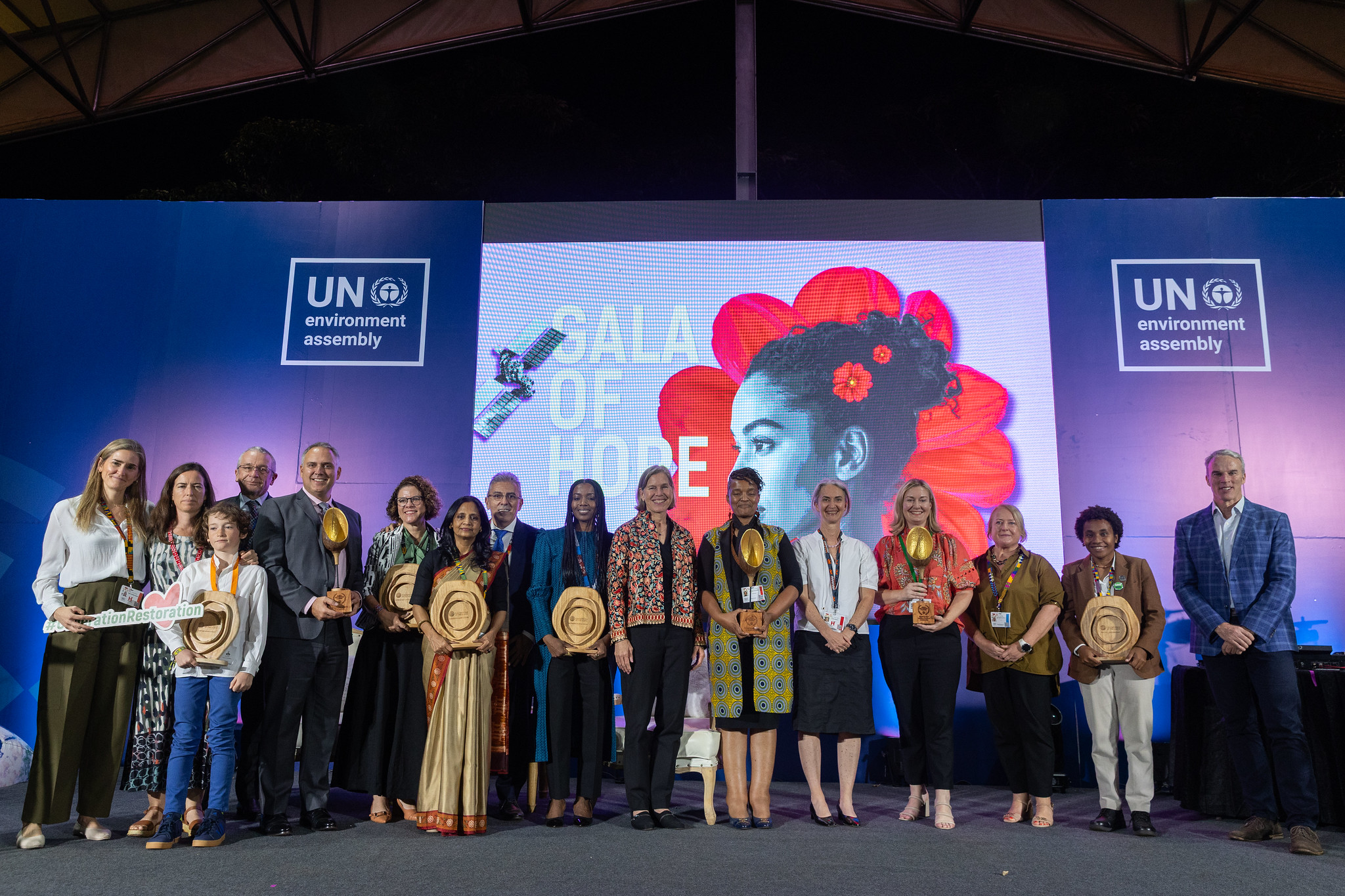
Nairobi, Kenya. The United Nations Environment Programme (UNEP) has named five remarkable leaders as its 2025 Champions of the Earth, recognising their contribution to climate justice, sustainable cooling, forest protection, and efforts to reduce methane emissions.
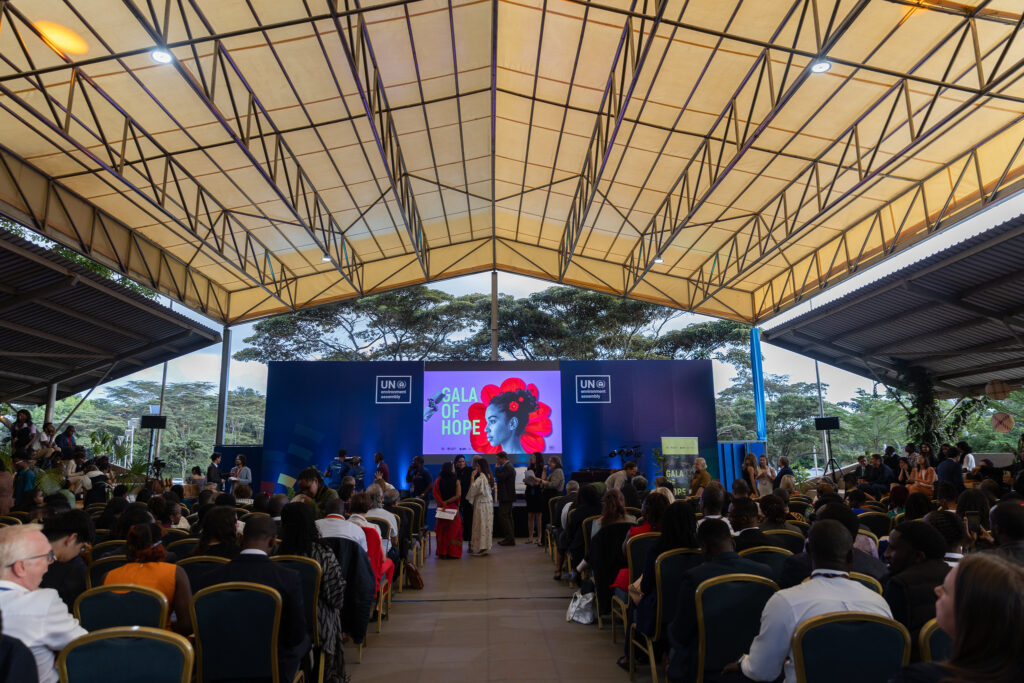
The champions were announced on December 10, 2025, on the sidelines of the seventh session of the UN Environment Assembly (UNEA-7) in Nairobi.
As countries grapple with rising temperatures and intensifying climate impacts, UNEP said the achievements of this year’s winners show that determined action, backed by innovation and strong leadership, can deliver results for both people and the planet.
“As the global impacts of the climate crisis intensify, innovation and leadership across every sector of society have never been more essential,” said UNEP Executive Director Inger Andersen.
“Young students demanding climate justice, subnational governments and architects leading on sustainable cooling and smart building design, research institutes slowing deforestation, and passionate individuals driving methane emissions reductions – this year’s Champions of the Earth show the kind of leadership that will inspire the world to face down the challenge of climate change.”
Now in its 20th year, the Champions of the Earth award is the UN’s highest environmental honour. Since 2005, it has recognised 127 leaders whose work has inspired global action at a time when climate pledges remain insufficient to meet the goals of the Paris Agreement and developing countries face rising adaptation costs that could reach up to $365 billion annually by 2035.
This year’s champions
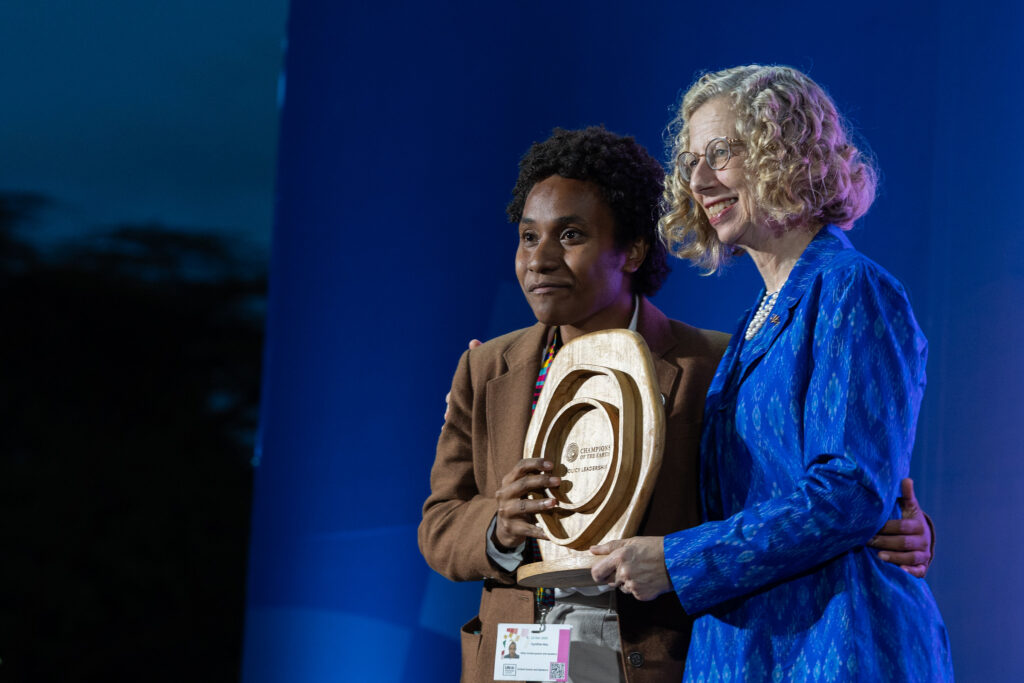
Pacific Islands Students Fighting Climate Change – Policy Leadership
The youth-led organisation secured a landmark advisory opinion from the International Court of Justice, affirming that states have a legal obligation to prevent climate-related harm and protect human rights.
Their campaign is reshaping global climate law and empowering vulnerable nations that face the gravest consequences of rising temperatures.
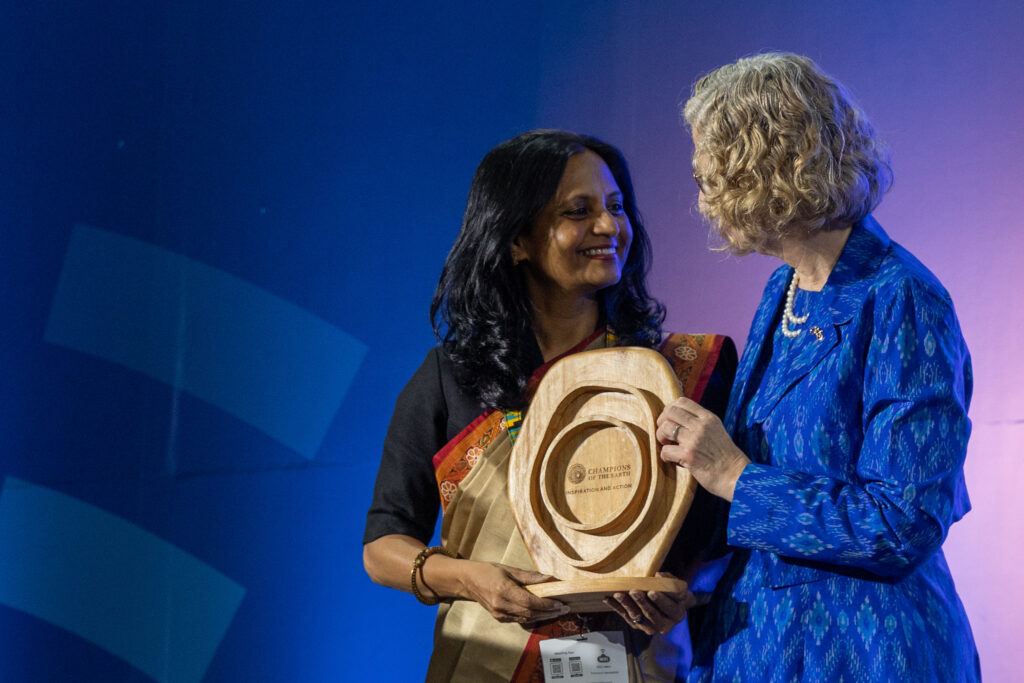
Supriya Sahu – Inspiration and Action
As Additional Chief Secretary in the Government of Tamil Nadu, Ms Supriya Sahu has championed sustainable cooling, heat adaptation and ecosystem restoration.
Her initiatives have generated 2.5 million green jobs, expanded forest cover and helped integrate climate resilience into public infrastructure. UNEP says her work benefits more than 12 million people and offers a model for rapidly urbanising regions facing extreme heat.
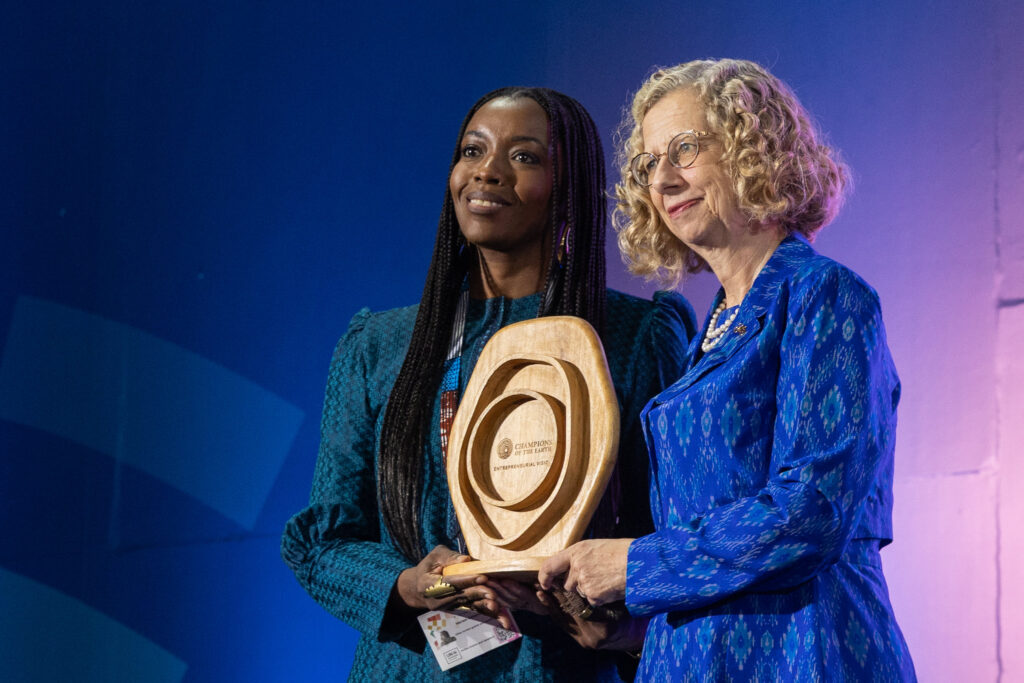
Mariam Issoufou – Entrepreneurial Vision
The Niger-born architect, who works across Niamey and the United States, is redefining climate-resilient architecture by rooting her designs in local materials and cultural heritage.
Ms Issoufou’s projects, including the award-winning Hikma Community Complex in Niger, use passive cooling techniques that keep buildings up to 10°C cooler without air conditioning. Her work is inspiring a new generation of African architects to embrace sustainable, culturally grounded designs.
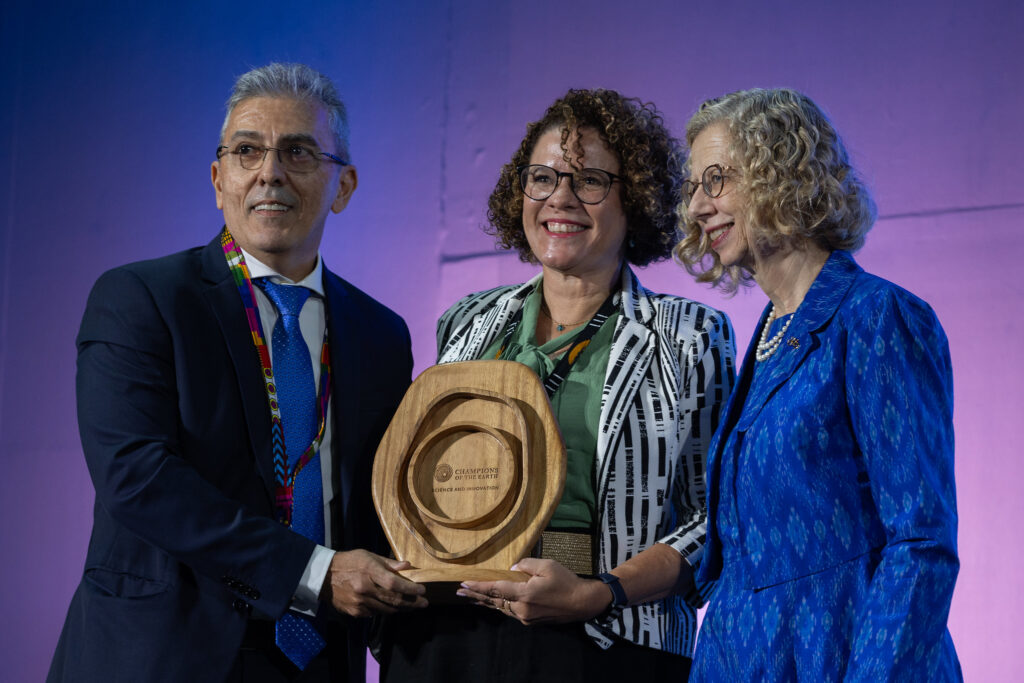
Imazon, Brazil – Science and Innovation
The research institute is internationally recognised for using science and AI-driven geospatial tools to strengthen forest governance and fight deforestation in the Amazon. Imazon’s early-warning systems, legal support and analysis of illegal forest clearing have contributed to major improvements in enforcement and influenced policy reforms aimed at protecting one of the world’s most important ecosystems.
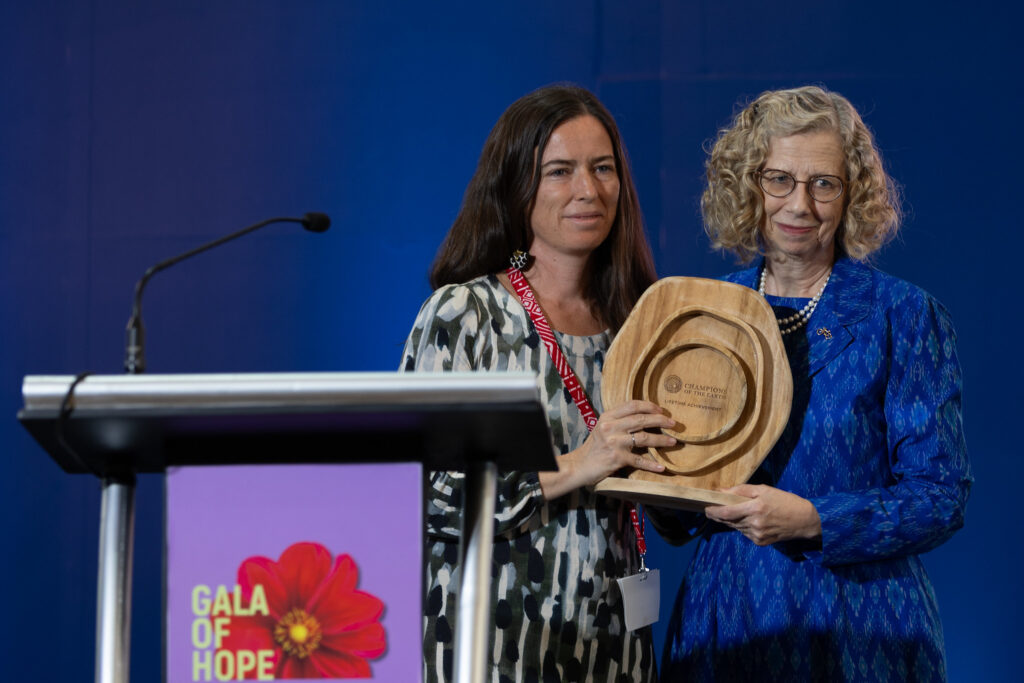
Manfredi Caltagirone (posthumous) – Lifetime Achievement
The former head of UNEP’s International Methane Emissions Observatory is honoured for his leadership in promoting transparency and data-driven action on methane.
Mr Caltagirone played a crucial role in shaping the EU’s first methane regulation and advancing global energy policy. UNEP noted that his work significantly strengthened international cooperation on methane reduction — a priority that can cool the planet within years and deliver immediate air quality benefits.
Andersen’s tributes to the champions
Inger Andersen said the winners exemplify the courage, creativity and urgency required to confront the climate crisis.
On Manfredi Caltagirone, she said: “A deeply talented climate specialist determined to make a real difference, Manfredi understood that urgent action on critical priorities such as methane could be make or break for a safer world. He is sorely missed, but UNEP will honour his legacy by continuing to push for rapid reductions to methane emissions.”
On Pacific Islands Students Fighting Climate Change, she noted: “Climate justice is for the people of the world, especially those most affected by rising temperatures. These students did not wait for their voices to be heard – they made them heard. Their efforts led to a game-changing opinion from the International Court of Justice. They are an inspiration to us all.”
On Supriya Sahu, she said: “Even as the planet heats up, the world’s cities are heating even faster. Into these concrete jungles, Supriya Sahu has brought the cooling spray of nature, helping millions cope with debilitating summer heat.”
On Mariam Issoufou, she added: “Sustainable buildings start with the right design. Mariam Issoufou’s culturally sensitive designs show what is possible when architecture works with nature. She is setting models the rest of Africa can follow.”
On Imazon, she said: “Imazon has shown that AI can be transformative when put to the right uses. Their models have delivered accurate warnings and helped reduce deforestation. This is where the real power of AI lies.”
As global temperatures move dangerously close to exceeding 1.5°C, UNEP says the work of the 2025 Champions of the Earth demonstrates that practical, scalable solutions already exist — from restoring forests and redesigning buildings to elevating frontline communities and tackling methane. These efforts, the agency says, offer critical pathways to securing a livable, climate-resilient future.
thanks for info.