



Nairobi, Kenya. The United Nations has launched a global task force designed to help mineral-rich countries benefit more fairly from the soaring demand for critical minerals powering the clean energy transition.
Announced on Wednesday during a UNEA-7 side event in Nairobi, the initiative aims to address persistent concerns that nations supplying cobalt, lithium, copper and other transition minerals remain stuck at the lower end of the value chain while confronting environmental damage, unsafe working conditions and minimal economic returns.
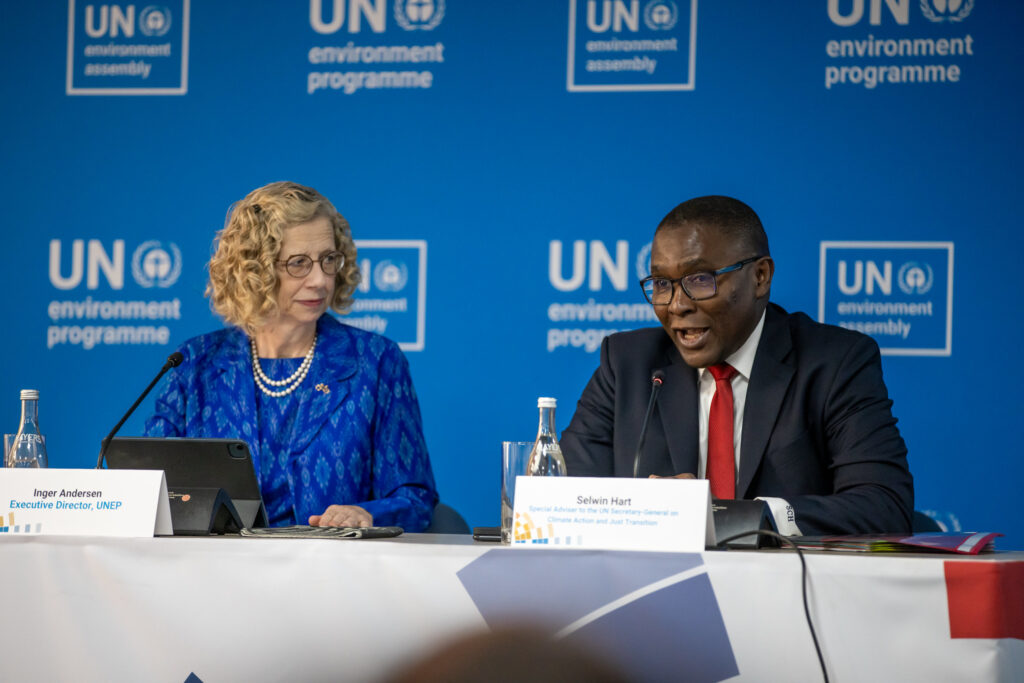
UNEP Executive Director, Inger Andersen said the task force will support governments as competition for strategic minerals intensifies, driven by global shifts toward clean energy, digital technologies and artificial intelligence. She warned that without coordinated global action, the world risks “a new race” for minerals that could widen inequality and undermine environmental progress.
Andersen noted that the mechanism will help countries strengthen regulations, enhance transparency and promote value addition closer to mining sites instead of exporting unprocessed materials.
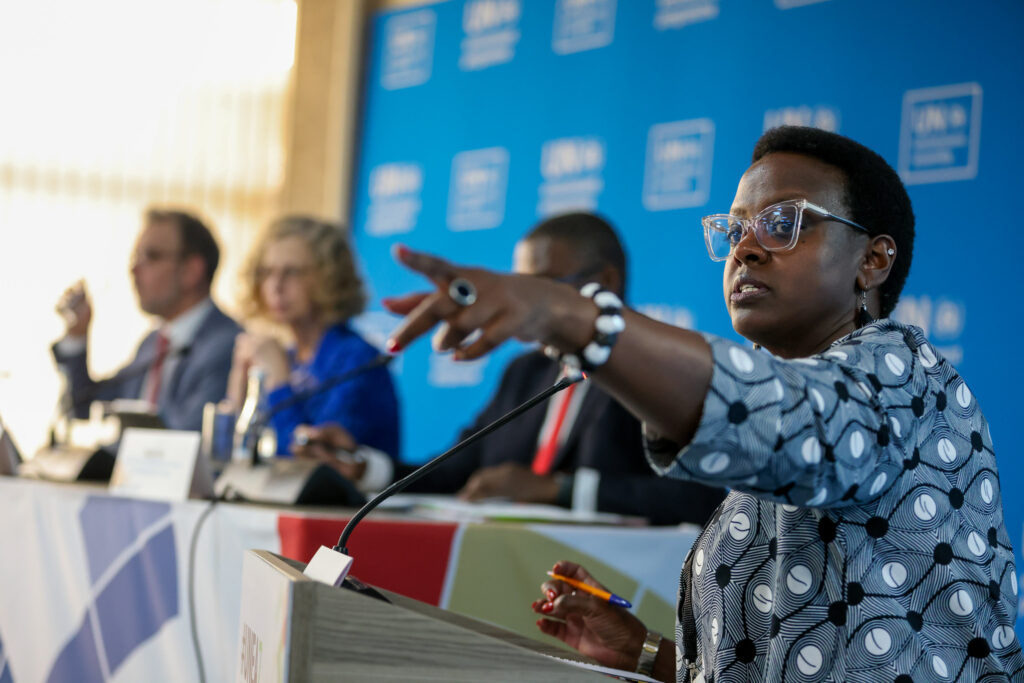
The task force will be co-chaired by UNEP, UNCTAD, UNDP and other UN agencies and will work with regional economic bodies and development partners. It builds on recommendations from the Secretary-General’s Panel on Critical Energy Transition Minerals, which gathered governments, industry actors, indigenous communities and civil society to develop a global framework for equitable mineral governance.
Selwin Hart, the UN Secretary-General’s Special Advisor on Climate Action, said mineral-rich developing countries must be “at the centre of the clean energy economy,” noting that demand for transition minerals is expected to more than double by 2040. However, he cautioned that many producing countries continue to face pollution, unsafe labour and exclusion from economic benefits.
“Too many countries export raw materials while importing inequality,” Hart said. He added that the task force marks a shift “from recommendations to results,” with the first priority being rapid, customised support for countries seeking assistance. Pilot countries will be selected in the coming months.
UNCTAD Deputy Secretary-General Pedro Moreno said the task force will operate through technical clusters focusing on value addition, economic diversification, fair benefit sharing, environmental safeguards, circularity and small-scale mining. He stressed that the UN will not create new institutions but will reinforce coordination across existing mandates.
“This is not just another coordination effort. It is the UN system’s commitment to ensuring the green transition is also a development transition,” Moreno said.
UN officials emphasised that respect for national sovereignty will remain central. Hart said the goal is to empower governments to negotiate better terms and avoid repeating historical patterns of extraction that left communities with pollution and limited transformation.
Tanzania’s concerns
Reacting to the launch, Tanzania welcomed the initiative but issued a cautionary note. Speaking at the event, the Chair of the African Group of Negotiators (AGN), Richard Muyungi, described the task force as timely, given the growing importance of critical minerals in the shift from polluting energy sources to cleaner alternatives.
“Right now the focus is on energy sources with low or zero emissions, and these minerals are key to making that happen,” said Muyungi, who is also the environmental advisor to the President of Tanzania.
He said the priority for mineral-rich countries is not simply new rules or international guidance but ensuring that their resources are used to lift citizens out of poverty and deliver national development, much like how countries in the Middle East benefited from the global shift to oil.
However, Muyungi warned against any mechanism that could limit the autonomy of developing countries in managing their mineral wealth.
“This is important for us as a country, but we would not want the task force to introduce conditions or restrictions that undermine our economic freedom while benefiting others,” he said.
Hello.This post was really remarkable, especially because I was searching for thoughts on this issue last Wednesday.