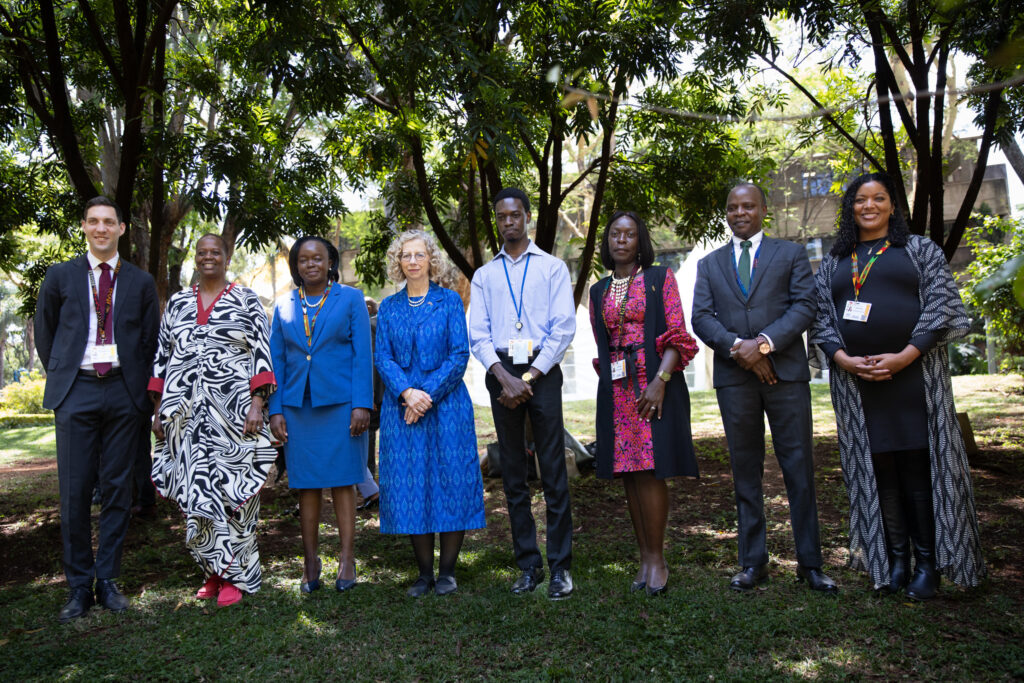


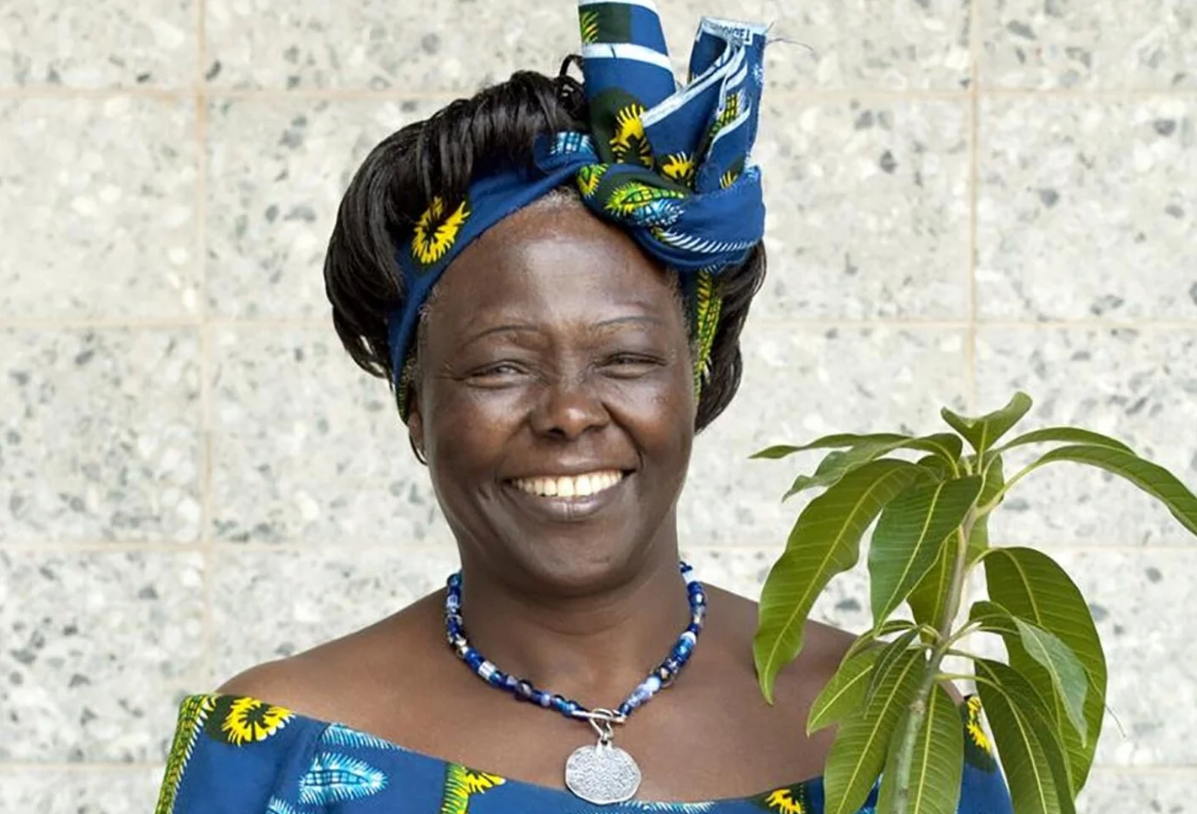
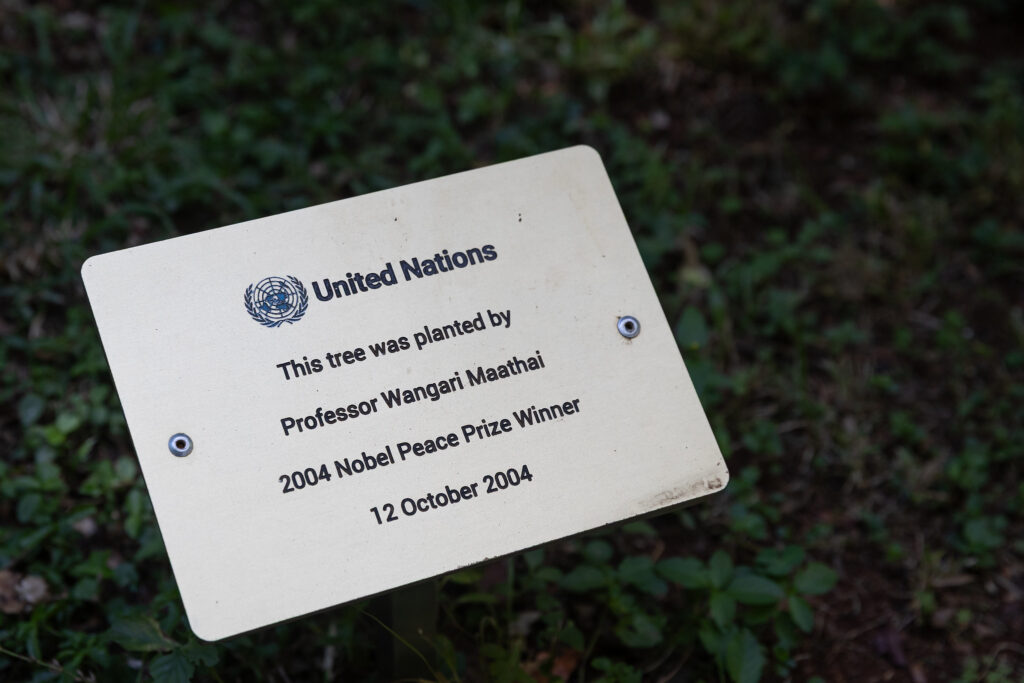
Nairobi. As the seventh session of the United Nations Environment Assembly (UNEA-7) continues in Nairobi, speakers have called on African countries, Tanzania included, to draw inspiration from the powerful legacy of the late Kenyan environmentalist Professor Wangari Maathai, whose work linked peace, democracy, human rights, and environmental protection.
In 2004, Professor Maathai became the first African woman to receive the Nobel Peace Prize.
The Nobel Committee recognised her for championing sustainable development, democracy, and peace, reminding the world that “peace on Earth depends on our ability to secure our living environment.”
Maathai who died in September 2011, her work, rooted in the protection of land and restoration of degraded ecosystems, gave birth to the renowned Green Belt Movement.
Tanzania’s Envoy at UNEA and Chair of the African Group of Negotiators (AGN), Richard Muyungi, said Tanzania can learn from Maathai’s approach to community-driven environmental conservation.
“We must recognise that environmental protection is what can give us sustainable development, just as Wangari Maathai fought for,” he said.
According to him, Tanzania’s rich natural resources should be used responsibly to support both environmental sustainability and economic growth.
“We need a good environment for everything we do, and we can use our resources well for development… we have the ocean, forests, and lakes. These also support the country’s economy,” he said.
Muyungi noted that Maathai’s work shows how conservation can directly improve livelihoods.
“She created an area suitable for eco-tourism. This protects the environment and helps people earn income,” he said, adding that her efforts now extend beyond forests to “every ecological area.”
The event was held on December 10, coinciding with the day the Nobel Peace Prize is awarded in Oslo. Reflecting on the moment, Wanjira Mathai, Chair of the Wangari Maathai Foundation, described the memories of the Nobel ceremony as unforgettable.
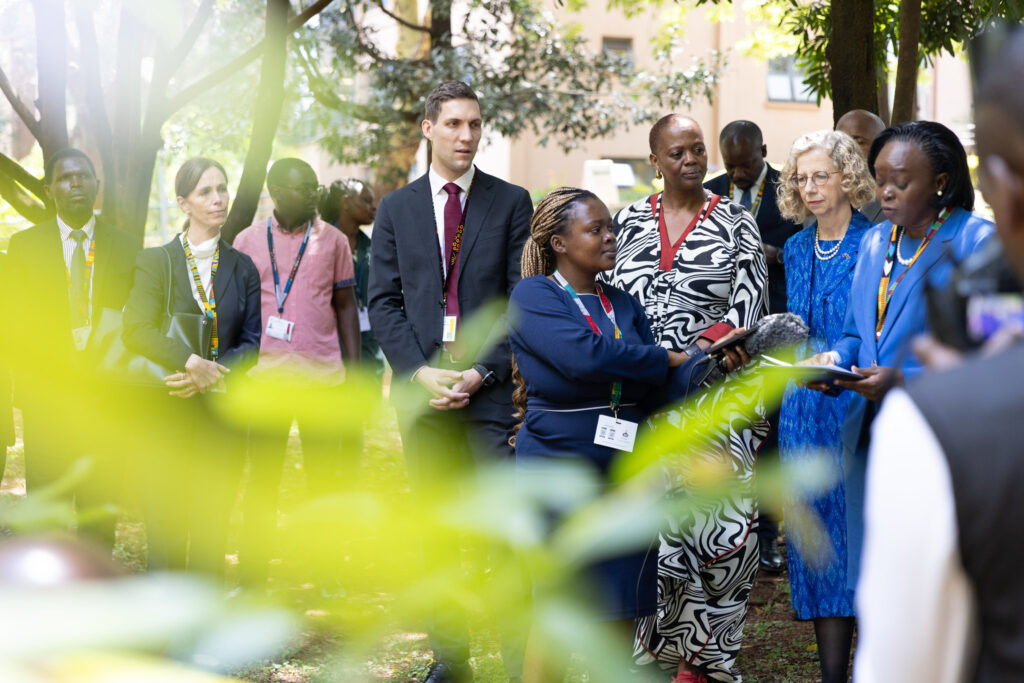
“It was quite simply a magical three days,” she said.
“The trumpet, the parade, the children, the candlelight vigil at night, the concert, and the ceremony itself… the meaning placed on this ceremony was profound.”
Wanjira who is also a daughter of the late Wangari Waathai, recalled that in 2004 the Nobel Committee pushed global boundaries by linking peace with environmental protection.
“They saw that there is no peace without a sustainable environment,” she said.
“Our life support system is at the core of what we must do first.”
Norway’s Minister of Climate and the Environment, Andreas Bjelland Eriksen, said Maathai’s recognition remains a guiding example.
“She was like us, and she guided us,” he said, noting that her award continues to inspire environmental action globally.
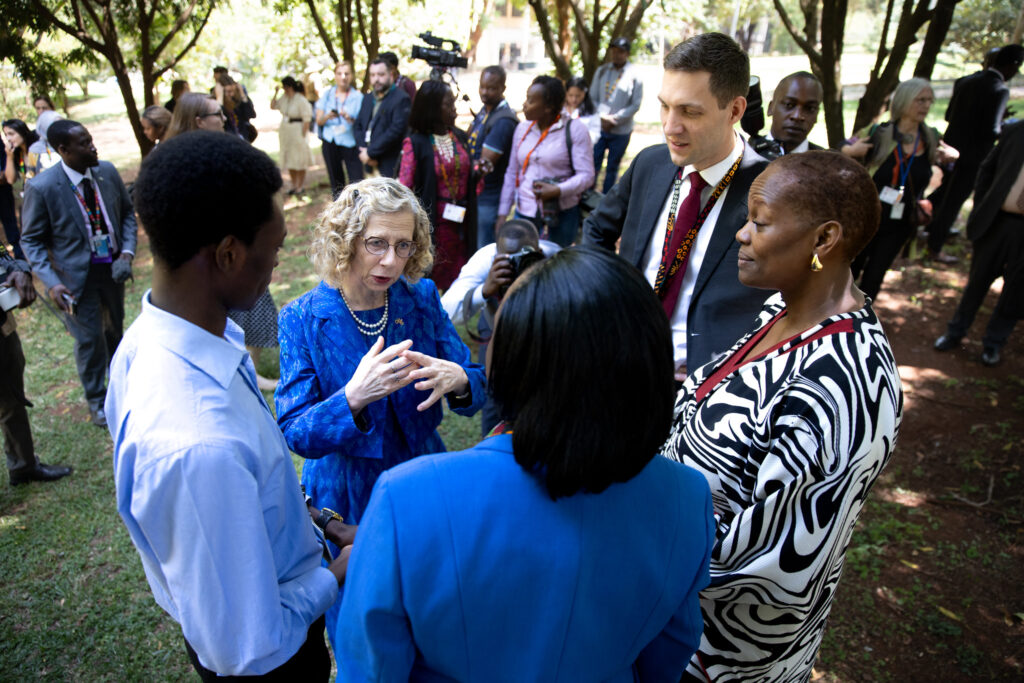
He added that climate change is no longer a distant threat. “Today, it’s happening here and now, in Africa, in Norway, all over the world,” he said, calling for stronger political leadership despite the growing difficulty of global negotiations.
UNEP Executive Director Inger Andersen also paid tribute to Maathai’s courage by recalled reading about the Green Belt Movement in 1977 and later witnessing the challenges Maathai faced.
“She stood up fearlessly to those who would take away what belonged to the people,” Andersen said.
Maathai’s activism, she added, became “a shining light” during a period when Africa was grappling with drought and desertification.
She noted that the international community closely followed Maathai’s work because “we could see that it was making a difference.” Andersen described Maathai as “a fearless warrior” whose influence was felt in regional political spaces and who embodied the belief that even small actions“the butterfly waving its wings” could create meaningful change.